
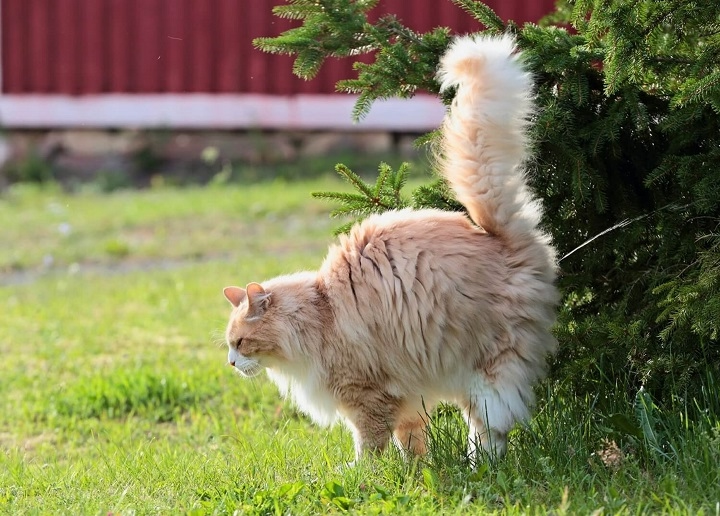
Spraying is one of the most common practices among male cats, especially unneutered ones. But many cat owners are surprised to find out that even female cats can spray. Though less common in females, spraying is a natural way cats communicate with one another. Knowing why female cats spray, what triggers the behavior, and how to stop the behavior will somehow help cat owners deal with this issue effectively.
This guide discusses why female cats spray, how to distinguish spraying from urination, and the most effective ways of preventing and resolving spraying behavior.
What Is Spraying in Cats?
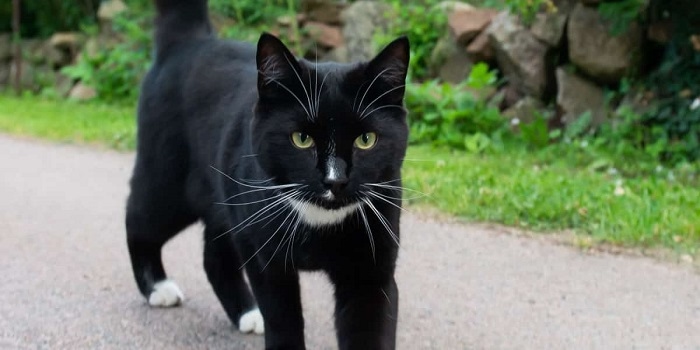
Spraying is a form of territorial marking whereby a cat sprays a small amount of urine on vertical surfaces like walls, furniture, or doors. Unlike regular urination, which occurs in a litter box, spraying is one of the ways cats communicate with other animals through scent marking.
Both male and female cats may spray to mark their territory, send social signals, or respond to stress and changes in their environment.
Do Female Cats Spray?
Yes, female cats can spray, although it is more commonly seen in unspayed females or in situations where they feel stressed or threatened. While male cats are more likely to spray due to territorial instincts, females may also engage in this behavior for communication or reproductive reasons.
While spaying reduces spraying in female cats, the behavior can persist in cases where they feel anxious or stressed or where there are changes in their environment.
Why Do Female Cats Spray?
There are numerous probable causes for a female cat to start spraying. Finding the cause ensures the right solution to eliminate the behavior.
Marking Territory
Cats declare ownership by the scent they leave behind. A female may spray because of territorial claiming when it feels another cat, or for that matter, another pet in the house may be intruding in its personal area.
Attraction of Mates
Unspayed female cats can spray when they are in heat. This is a way of signaling their availability to male cats. The urine contains pheromones that attract potential mates. This type of spraying usually occurs every few weeks if the cat is not spayed.
Response to Stress
Cats are sensitive to their environment. A new home, the addition of a new pet, or changes in the household routine can all create stress that results in spraying as a coping mechanism.
Medical Issues
Spraying or urination outside the litter box can be due to a medical problem such as urinary tract infections, bladder inflammation, and kidney problems. If your cat suddenly starts to do this, a checkup with your veterinarian can rule out such health issues.
Conflict with Other Cats
If there are multiple cats at home, spraying can be a reaction to competition or war. In such a case, a cat will spray in order to show dominance or mark its space when it feels threatened by another pet.
Litter Box Problems
A cat will spray if they are not happy with their litter box. A dirty box, incorrect litter type, or incorrect placement in a high-traffic area can lead to avoidance of the litter box and spraying.
How to Differentiate Spraying from Urination
Spraying is different from regular urination, and telling them apart will give one the clue needed to effectively deal with the problem.
| Behavior | Spraying | Urination |
| Position | Standing with tail raised, often quivering | Squatting |
| Location | Vertical surfaces such as walls, furniture, and doors | Litter box or floor |
| Amount of Urine | Small amount | Larger puddle |
| Purpose | Territorial marking, communication, stress response | Normal elimination process |
If a cat is squatting and urinating outside the litter box, it could be a medical issue rather than spraying.
How to Get a Female Cat to Stop Spraying
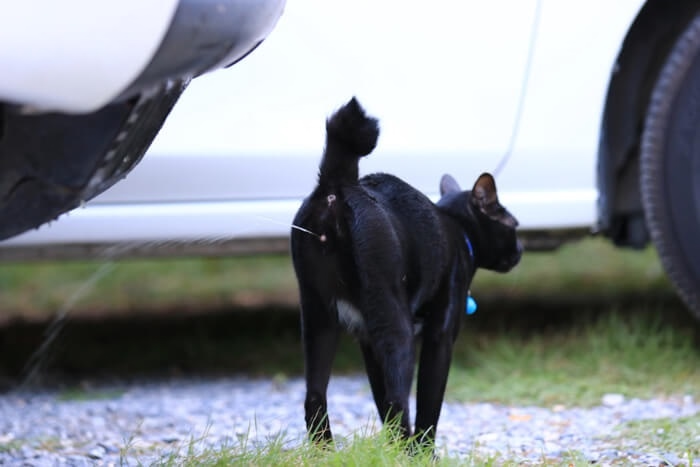
There are a few things owners can try in order to curb or eliminate spraying behavior if a female cat should start.
Spaying the Cat
Spaying is among the most efficient ways of avoiding spraying. In general, hormonal changes in unspayed females provoke spraying, especially when a cat is in heat. Spaying reduces it greatly.
Reduce Stress
Identify and remove stressors if it’s stress-related. Offering a safe place for your cat, where she can go without being disturbed, sticking religiously to regular routines, and using pheromone diffusers like Feliway can alleviate anxiety.
Thorough Cleaning of Sprayed Areas
Cleaning the sprayed areas with an enzyme-based cleaner will help get rid of the smell and prevent the cat from spraying again in that area. Ammonia-based cleaners should be avoided, as they leave a smell similar to urine, which will only trigger more spraying.
Providing Enough Litter Boxes
This will help minimize or reduce territorial fights among cats, having at least one litter box available for each cat, plus one.
Differentiating Territorial Behavior Among Cats
If there are several cats in the household, providing each with their own space, food and water bowls, and litter boxes will minimize this behavior. A gradual introduction to all cats, with monitored interactions, will also help to reduce stress between cats.
Reducing Outdoor Cats Interaction
If a cat sees other cats through windows or doors, they may spray due to the threats of others to their territory. Blocking access to the view, using frosted window film, or closing the blinds can minimize this trigger.
Providing Mental and Physical Stimulation
Boredom and insufficient stimulation can partially cause stress and unwanted behaviors. Cats require interactive toys, scratching posts, and climbing structures to keep them both physically and mentally stimulated.
When to See a Veterinarian
If the cat is female and begins spraying and this is out of order for her, then a visit to the veterinarian is in line. Some potential medical issues with inappropriate urination are urinary tract infections, bladder stones, kidney disease, any of which could require treatment.
Look for these signs that may indicate something is medically wrong:
- More frequent urination or straining while in the litter box
- Blood in the urine
- Excessive licking around the genital area
- Lethargy or loss of appetite
A veterinarian can run tests to see if there is an underlying health issue and treat it accordingly.
Frequently Asked Questions
Can spayed female cats spray?
Yes, spayed female cats can spray, but it is less common. If a spayed cat sprays, it is often due to stress, territory marking, or medical issues.
What should I do if my female cat starts spraying suddenly?
If it is a new behavior, first rule out any medical issues by taking her to the vet. If no medical issues are found, look for environmental triggers of stress.
Does cat spray smell worse than regular urine?
Yes, sprayed urine smells worse due to pheromones that are in the urine for communication.
Can cleaning stop a cat from spraying?
Cleaning alone will not stop spraying, but enzyme-based cleaners can take out the residual smells that attract spraying a second time.
Will getting another cat make spraying worse?
Adding another cat can raise territorialism and result in spraying. However, the addition of another cat, if done correctly and with ample resources for both cats, can reduce potential conflicts.