
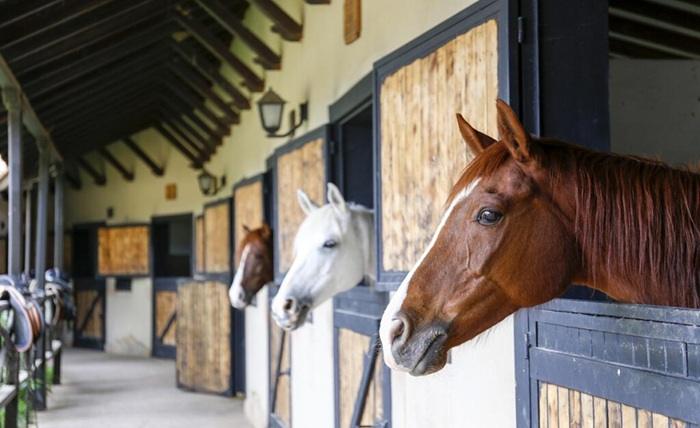
Finding the right place to board your horse is one of the most important decisions you will make as an owner. A boarding barn is more than just a stable. It becomes your horse’s daily environment, support system, and second home. Taking the time to evaluate your options carefully protects your horse’s health and gives you peace of mind.
Before you begin visiting facilities, it helps to research your options carefully. Using a reliable platform like Horse Boarding Finder allows you to compare different boarding barns in your area, review available amenities, and narrow down choices that fit your budget and expectations. Starting your search with the right tool can save time and help you focus only on facilities that meet your standards.
Understand Your Horse’s Individual Needs
Every horse has unique needs based on age, temperament, and workload. A young, energetic horse in training may require structured turnout, consistent feeding schedules, and access to quality arenas. A senior horse, on the other hand, may benefit more from larger pastures, a quieter atmosphere, and closer daily supervision.
Make a checklist of non-negotiables such as stall size, turnout time, feeding routines, blanketing services, and medical care. If your horse requires supplements or special feed, confirm that the barn is willing and able to manage those details properly. Knowing your priorities before touring barns keeps you focused and prevents you from overlooking important factors.
Inspect Cleanliness and Safety
When touring a boarding facility, pay close attention to maintenance and overall organization. Stalls should be dry, clean, and properly bedded. Strong odours, excessive manure buildup, or damp bedding can indicate poor management. Water buckets or automatic waterers must be fresh and functioning at all times.
Safety is equally critical. Examine fencing, gates, and barn structure carefully. Pastures should be secure, and aisles should be free of clutter or hazards. Look at how equipment is stored and whether fire safety measures are visible. Well-maintained facilities typically reflect attentive and responsible barn management.
Ask About Daily Care and Emergency Plans
Reliable daily care forms the foundation of any good boarding arrangement. Ask how often horses are fed and what type of hay and grain are provided. Clarify how turnout is handled during bad weather and how horses are grouped together.
Emergency preparedness is something many owners forget to discuss, but it is essential. Ask whether staff members are on site overnight and what procedures are followed in case of illness or injury. Find out how quickly owners are notified if there is a concern. Clear communication builds trust and reduces stress during unexpected situations.
Evaluate Facilities and Barn Atmosphere
If you ride regularly, arena footing and maintenance should be a priority. Look at both indoor and outdoor spaces. The footing should be level, consistent, and suitable for your discipline. Proper lighting, safe fencing, and well-maintained equipment are strong indicators of a professional environment.
Finally, observe the overall atmosphere of the barn. Horses should appear relaxed, well-fed, and in good physical condition. Boarders and staff should communicate respectfully. A positive barn culture contributes significantly to your long-term satisfaction and enjoyment.
Choosing the right boarding barn takes patience and thoughtful evaluation. When you select a facility that aligns with your horse’s needs and your own expectations, you create a safe, supportive environment where both of you can thrive.