
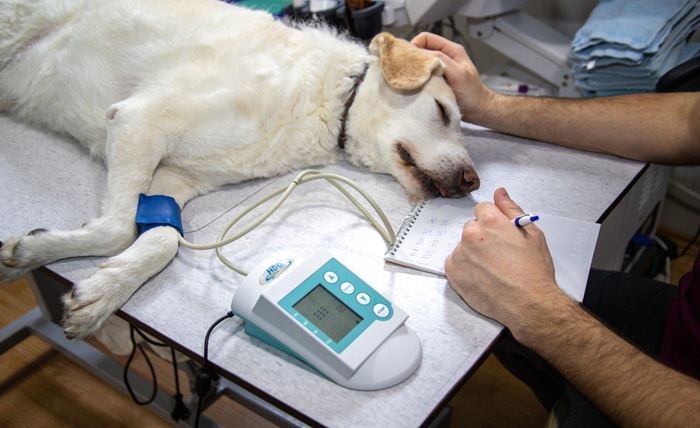
Pets are family members, and seeing them in distress is terrifying. When an illness or accident happens, knowing whether to rush to a clinic or wait for a regular appointment can save your pet’s life. Panic often takes over during these moments, making clear decisions difficult.
Understanding the signs of a medical crisis can help you stay calm and act with confidence. This guide will walk you through the critical steps of managing pet emergencies, identifying warning signs, and finding the right resources when every second counts.
Recognizing True Vet Emergencies
Recognizing when your dog or cat needs immediate medical attention is the first step in protecting their health. Severe breathing difficulties, sudden collapse, and deep wounds require instant attention. When your pet faces a sudden health crisis, finding immediate assistance becomes your top priority.
Choosing a trusted mobile vet in Louisville, KY can offer peace of mind when transport is difficult. Quick action saves lives during these critical moments.
Poison ingestion is another scenario that demands a rapid response. Many common household items, such as chocolate, certain plants, and medications, are highly toxic to animals. If you suspect your pet ate something dangerous, gather the packaging if possible, and this information helps the veterinary team determine the correct antidote or treatment path quickly.
Immediate Actions to Take at Home
Before you transport a sick or injured animal, you need to stabilize them safely. Severe bleeding can be managed by applying gentle, direct pressure with a clean cloth. Avoid using tourniquets unless specifically instructed by a professional, as improper use can cause tissue damage.
Keep the animal warm and quiet to prevent shock during transit. Handling an injured pet requires extreme caution. Animals in pain might bite or scratch out of fear, even if they are usually gentle.
- Use a thick blanket to wrap small pets securely.
- Improvise a stretcher using a rigid board for large dogs.
- Muzzle dogs only if they are not vomiting or struggling to breathe.
The Rising Costs of Urgent Pet Care
Financial considerations often add stress to an already difficult situation. Emergency veterinary services cost significantly more than routine checkups due to specialized equipment and staffing needs. Recent national data shows that practice revenue increased by 2.5% in 2025, even though overall patient visits dropped by 3%, and this trend reflects the rising price sensitivity among pet owners facing higher medical bills.
Planning ahead can ease the financial burden of unexpected accidents. Setting up a dedicated savings account or investing in comprehensive pet insurance helps cover sudden hospitalizations.
Exploring Alternative Veterinary Care Formats
Traditional hospitals are no longer the only option for treating pets. Digital tools provide new ways to evaluate health issues without leaving your living room. Virtual triage options let owners connect with veterinary professionals for advice on non-emergency issues and general wellness, and this system keeps hospital lines clear for animals facing life-threatening situations.
Mobile clinics offer another path for comprehensive animal care. Some traveling units operate as full-scale hospitals, delivering medical, surgical, and dental treatments right to your doorstep. These services reduce stress for pets that dislike car rides or crowded waiting rooms.
Navigating After-Hours Options
When a medical crisis occurs in the middle of the night, traditional clinics are usually closed. You must know where the nearest 24-hour facility is located before an emergency arises. Traveling clinics do their best to assist, but they might not be in your immediate neighborhood when a crisis strikes.
Moving the animal to a stationary hospital becomes necessary if a mobile provider cannot reach you. Community programs also work to bridge gaps in regional care accessibility. Mobile community fleets operate with the goal of delivering services to regions where owners lack affordable care options; these initiatives aim to impact companion animals across dozens of counties over the coming decade.
Preparing an Emergency Pet Kit
Having a well-stocked medical kit prepared can make a massive difference during a crisis. Keep these items in an accessible location so you can grab them instantly.
- Include gauze pads, adhesive tape, and antiseptic wipes.
- Pack a digital thermometer and hydrogen peroxide.
- Store extra leashes, blankets, and a copy of medical records.
Review the contents of your kit twice a year to replace expired items. Keep the phone numbers for your local clinic, the nearest emergency hospital, and poison control written on the inside lid. This preparation saves precious minutes when searching for contact details during a panic.
The Growing Demand for Pet Emergency Services
The sector focused on urgent animal care is expanding rapidly to meet rising consumer demands. Market analysis values the global veterinary emergency care sector at $22.8 billion in 2026. Industry projections suggest this market will climb to $32.2 billion by 2034 as advanced treatments become more widely available.
Other industry evaluations confirm this upward trajectory for animal medical services. Reports indicate the market will expand from $20.36 billion in 2025 to over $30.23 billion within the next decade. This growth ensures that pet owners will have access to better technology and more specialized doctors in the future.
Shift in Care Settings
Hospital-based emergency centers continue to hold the largest portion of the market share. Stationary emergency facilities commanded 56.92% of the market share in 2025. Meanwhile, mobile and on-call services are projected to experience a 9.31% compound annual growth rate through 2031.
Following Up After an Emergency Visit
The hours and days after an emergency visit are just as important as the treatment itself. Carefully follow your veterinarian’s instructions regarding medications, feeding schedules, activity restrictions, and follow-up appointments. Watch for changes in your pet’s appetite, energy level, breathing, or behavior, as these may indicate complications that require additional medical attention.
Keeping a written log of symptoms and recovery progress can help your veterinarian make informed decisions during follow-up care. Recovery also involves creating a calm and comfortable environment at home. Provide a quiet place for your pet to rest, limit unnecessary activity, and ensure fresh water is always available.
Staying Calm Under Pressure
Your emotional state directly influences your pet’s behavior during a medical crisis. Animals pick up on human anxiety, which can cause them to become more fearful or aggressive.
Take a deep breath, focus on the immediate steps required, and follow the instructions given by medical staff. Being prepared and informed ensures you can give your animal companion the best possible chance at a fast, full recovery.
Check out the rest of our articles today!