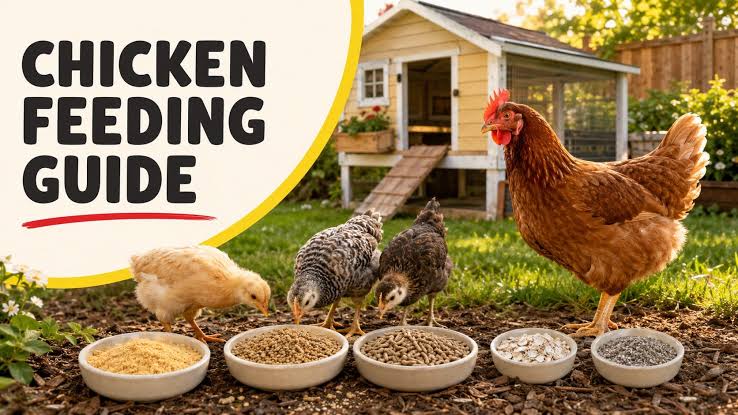
One of the biggest mistakes new chicken keepers make is feeding their whole flock the same food from day one. Chicks, growing pullets, and laying hens all have very different nutritional needs, and getting it wrong can mean slow growth, weak eggshells, or health problems down the road. The good news is that feeding chickens by age is simple once you understand the basics. In this guide, we will walk through exactly what to feed your birds at every stage of life, from day-old chicks to productive laying hens, so you can raise a healthy, happy flock with confidence.
Why Age-Based Feeding Matters
Chickens are not one-size-fits-all when it comes to nutrition. A baby chick needs high protein to grow feathers, muscle, and bone quickly. A laying hen needs less protein but much more calcium to produce strong eggshells day after day. If you feed layer feed to chicks, the excess calcium can actually damage their kidneys and joints. If you feed chick starter to laying hens, their eggs will have thin, weak shells.
Feed manufacturers solve this problem by formulating different feeds for each life stage. Your job is simply to match the right feed to the right age and switch at the right time. Let’s break it down stage by stage.
Stage 1: Baby Chicks (0 to 8 Weeks)
Everything starts with a quality chicken feed designed specifically for young birds, usually called chick starter. Starter feed typically contains 18 to 20 percent protein, which supports the explosive growth chicks go through in their first two months. In that short window, a chick transforms from a fluffy ball of down into a partially feathered pullet, and that growth demands serious nutrition.
Starter feed comes in two main forms: crumbles and mash. Crumbles are small, broken-up pellets that are easy for tiny beaks to manage. Mash is a finer, loose texture. Both work well, though some keepers find crumbles result in slightly less waste because the pieces are easier to pick up.
Here are the key points for feeding chicks:
- Keep starter feed available at all times. Chicks eat small amounts frequently, so free-choice feeding works best.
- Use a shallow feeder they can reach easily, and keep it clean. Chicks love to scratch bedding into their feed.
- Fresh water must be available around the clock. Use a chick waterer with a narrow trough so nobody gets soaked or worse, drowns.
- Do not add grit while they are on starter feed alone. Grit is only needed when birds eat whole grains or forage.
One common question is whether medicated starter feed is necessary. Medicated feed contains a coccidiostat, which helps young birds develop immunity to coccidiosis, a parasitic disease that can spread fast in brooders. If your chicks have been vaccinated against coccidiosis, use non-medicated feed. If they have not, many experienced keepers consider medicated starter a cheap insurance policy, especially for beginners.
Stage 2: Pullets and Growers (8 to 20 Weeks)
Around 8 weeks of age, your birds are no longer babies, and their growth rate starts to slow. This is when you transition to grower feed, sometimes called pullet grower. Grower feed usually contains 15 to 16 percent protein, which is enough to support continued development without pushing birds to grow too fast.
Why the switch matters: feeding high-protein starter for too long can cause pullets to mature too quickly, which sometimes leads to reproductive problems later. Grower feed lets the bird develop at a steadier, healthier pace.
The transition itself should be gradual. Mix the two feeds together over about a week, starting with mostly starter and shifting the ratio each day until the birds are eating 100 percent grower. Chickens can be surprisingly suspicious of anything new, and a sudden switch can cause a feeding strike.
During this stage, a few other things are worth watching:
- Continue offering free-choice feed and clean water.
- If your birds have access to a run or yard and eat grass, bugs, or scratch grains, offer insoluble grit so their gizzards can grind it all up.
- Keep treats to a minimum. Growing birds need a balanced diet more than variety.
Stage 3: The Point of Lay (Around 18 to 22 Weeks)
Somewhere between 18 and 22 weeks, depending on the breed, your pullets will start laying. Hybrid layers like ISA Browns and Golden Comets often start around 18 weeks, while heavier heritage breeds may take 24 weeks or longer. Watch for the classic signs: the comb and wattles redden and swell, and pullets start squatting submissively when you approach.
About two weeks before you expect the first egg, switch to layer feed. Layer feed contains roughly 16 percent protein plus 3.5 to 4 percent calcium, which is the big difference. A hen puts a significant amount of calcium into every single eggshell, and she cannot produce that calcium from thin air. Without enough of it in her diet, she pulls calcium from her own bones, which leads to thin shells, shell-less eggs, and eventually brittle bones.
Again, make the switch gradually over a week or so.
Stage 4: Laying Hens (20 Weeks and Beyond)
Once your hens are in full production, layer feed becomes the foundation of their diet. From here, feeding is mostly about consistency and common sense.
A few guidelines for laying hens:
- Offer layer feed free choice. A standard laying hen eats roughly a quarter pound of feed per day, though this varies with breed, size, weather, and how much she is laying.
- Keep the feeder dry and clean. Wet feed molds quickly and moldy feed can make birds sick.
- Provide supplemental calcium on the side, usually as crushed oyster shell in a separate dish. Hens are remarkably good at regulating their own calcium intake when given the option.
- Keep grit available if your birds eat anything other than pellets or crumbles.
Treats and kitchen scraps are fine in moderation, but the word moderation is doing a lot of work here. A good rule of thumb is that treats should never make up more than about 10 percent of the daily diet. Healthy options include leafy greens, cooked eggs, mealworms, watermelon, and oats. Avoid anything salty, sugary, moldy, or processed, and never feed avocado, raw beans, or chocolate, which are toxic to chickens.
Seasonal Adjustments
Feeding is not entirely set-and-forget. In fall, many hens molt and stop laying while they grow new feathers. Feather production is protein-intensive, so some keepers temporarily switch back to a higher-protein feed during molt to help feathers come in faster.
In winter, hens burn more calories staying warm. Many keepers offer a handful of scratch grains in the late afternoon, not as a substitute for balanced feed but as extra energy for the cold night ahead. In summer, heat stress can reduce appetite, so keep feed fresh, water plentiful, and feeders shaded.
Quick Reference Chart
- 0 to 8 weeks: Chick starter, 18 to 20 percent protein
- 8 to 20 weeks: Grower feed, 15 to 16 percent protein
- 2 weeks before first egg onward: Layer feed, 16 percent protein with added calcium
- During molt: Consider a temporary protein boost
Final Thoughts
Feeding chickens correctly by age is one of the simplest ways to set your flock up for long-term health and steady egg production. Match the feed to the life stage, switch gradually, keep water fresh, and go easy on the treats. Do that, and your birds will reward you with years of fresh eggs and endless entertainment in the backyard.