
Does your cat scarf down meals like there’s no tomorrow? If so, a slow feeder for cats might be exactly what they need. These feeding tools encourage your cat to eat at a healthier pace, improving digestion and reducing the risk of vomiting, obesity, and boredom. In this guide, we’ll explore the benefits of slow feeders, different types available, how to choose the right one, and tips for introducing it to your cat.
What Is a Slow Feeder for Cats?
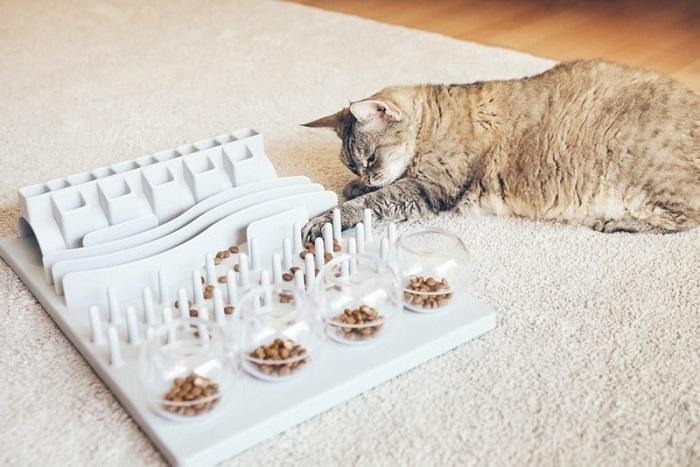
A slow feeder is a bowl, mat, or puzzle designed to slow down how fast your cat eats. Instead of eating from a wide, open bowl, your cat has to work a little—using their paws or tongue to get the food out of maze-like shapes, ridges, or compartments.
Why Do Cats Eat Too Fast?
Competition with Other Pets
In multi-cat or multi-pet households, some cats may eat quickly out of fear that their food will be taken.
Food Anxiety
Rescued or shelter cats may have past experiences with food scarcity, causing them to eat fast out of instinct.
Boredom and Habit
Some cats eat rapidly just because it’s a habit or they’re bored. This behavior can be improved with enrichment feeding.
Benefits of Using a Slow Feeder for Cats
Prevents Vomiting and Bloating
When cats eat too fast, they often swallow air along with food. This leads to regurgitation or vomiting shortly after meals. Slow feeders reduce this risk.
Improves Digestion
By making your cat eat more slowly, the digestive system gets a chance to work more efficiently, leading to better nutrient absorption and less upset stomach.
Encourages Natural Hunting Instincts
Puzzle-style feeders simulate the foraging experience, keeping your cat mentally stimulated and satisfied.
Helps with Weight Management
Slower eating helps cats recognize when they’re full, reducing overeating and helping with obesity prevention.
Reduces Boredom and Anxiety
Working for food keeps your cat engaged and mentally active, especially beneficial for indoor cats.
Types of Slow Feeders for Cats
Maze Bowls
These bowls have swirling or grid-like patterns that make it difficult for your cat to gulp food. They’re great for dry kibble.
Puzzle Feeders
These have hidden compartments or sliding parts. Your cat must figure out how to access the food, engaging their brain and paws.
Lick Mats
Perfect for wet food or treats, these textured silicone mats require cats to lick slowly, making the meal last longer.
Interactive Toys
Some toys dispense food or treats gradually as the cat plays with them. These are ideal for high-energy cats.
DIY Slow Feeders
Homemade options include muffin tins, egg cartons, or hiding food in rolled-up towels or small boxes.
How to Choose the Best Slow Feeder for Your Cat
| Factor | What to Look For |
| Material | BPA-free plastic, ceramic, or silicone |
| Size & Shape | Match your cat’s face size and eating style |
| Food Type | Choose based on dry, wet, or mixed food diets |
| Cleanability | Dishwasher-safe or easy to hand wash |
| Difficulty Level | Start easy; increase challenge over time |
How to Introduce a Slow Feeder to Your Cat
Start with Easy Designs
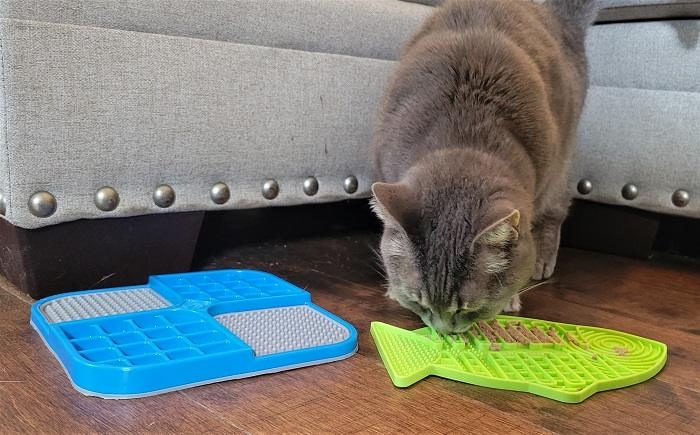
Use a feeder that requires minimal effort to begin with. You can gradually move to more complex puzzles once your cat gets used to the new eating style.
Encourage Exploration
Sprinkle treats around or in the feeder to spark your cat’s curiosity. Let them sniff and paw at it before full meals.
Mix with Regular Feeding
To ease the transition, alternate between the slow feeder and your cat’s regular bowl until they’re fully adjusted.
Supervise at First
Observe your cat during initial uses to ensure they understand how to access the food and don’t become frustrated.
When to Use a Slow Feeder
- If your cat regularly vomits after eating
- If they finish their food in under a minute
- If they are overweight or eat excessively
- If they act bored or restless between meals
- If you want to add enrichment to their daily routine
Are Slow Feeders Suitable for Wet Food?
Yes! Many slow feeders are designed specifically for wet or soft food. Lick mats or shallow puzzle trays work best for moist meals and are easy to clean.
Popular Slow Feeders for Cats
Here are a few well-reviewed options to consider:
- PetSafe Fun Feeder – Maze-style bowl for kibble
- LickiMat Soother – Great for wet food and treats
- Catit Senses 2.0 Digger – Tube-style puzzle feeder
- Doc & Phoebe’s Indoor Hunting Feeder – Encourages foraging behavior
- Outward Hound Puzzle Feeder – Suitable for both cats and dogs
FAQs About Slow Feeders for Cats
Do slow feeders really work for cats?
Yes, they’re proven to reduce fast eating and improve digestion and mental stimulation.
Can kittens use slow feeders?
Yes, just choose beginner-level designs that are shallow and easy to access.
Are slow feeders safe for daily use?
Absolutely. Most cats can use them at every mealtime once accustomed.
How often should I clean a slow feeder?
Clean after each use, especially with wet food. Most are dishwasher-safe for easy maintenance.
Will my cat get frustrated with a slow feeder?
Some cats may need time to adjust. Start with simple designs and encourage play.