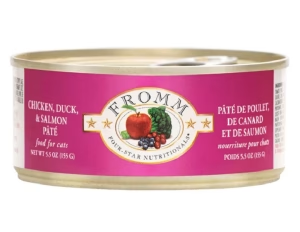

When it comes to feeding your cat, choosing the right food is essential for their health and well-being. One of the most popular and nutritious options is salmon cat food. Known for its rich omega-3 fatty acids and protein, salmon offers numerous benefits for your feline friend. In this guide, we’ll explore why salmon cat food is a great choice, its nutritional benefits, and how to choose the best products for your pet.
Why Choose Salmon Cat Food?
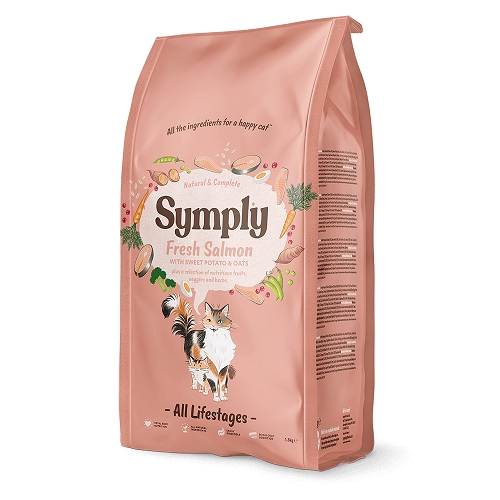
Salmon cat food is an excellent source of high-quality protein and healthy fats. It contains a variety of essential nutrients, including vitamins, minerals, and amino acids, which are crucial for maintaining your cat’s overall health. Let’s take a closer look at the reasons why salmon should be considered for your cat’s diet.
Nutritional Benefits of Salmon for Cats
Salmon is packed with omega-3 fatty acids, particularly EPA (eicosapentaenoic acid) and DHA (docosahexaenoic acid). These nutrients are essential for supporting your cat’s heart, brain, and immune system. Here are some of the key benefits of incorporating salmon into your cat’s diet:
- Promotes Healthy Skin and Coat: The omega-3 fatty acids in salmon help keep your cat’s coat shiny and smooth. These healthy fats contribute to skin hydration, reducing the risk of dry, flaky skin.
- Supports Cognitive Health: DHA is an important nutrient for brain function. Salmon cat food may help improve cognitive function and reduce the risk of cognitive decline in senior cats.
- Boosts Immune Function: Omega-3s also help enhance the immune system, allowing your cat to fight off infections and illnesses more effectively.
- Improves Joint Health: The anti-inflammatory properties of omega-3s can aid in reducing joint pain and stiffness, especially in older cats or those suffering from arthritis.
Is Salmon Safe for Cats?
Many pet owners wonder whether salmon is safe for cats to eat. The answer is yes, but with some important considerations. While salmon is generally safe for cats, it is crucial to ensure that it is properly prepared. Raw fish can contain parasites or bacteria that may cause digestive issues, so it’s best to feed your cat cooked salmon. Additionally, make sure the salmon is boneless, as bones can be a choking hazard.
How to Choose the Best Salmon Cat Food
With so many different brands and types of salmon cat food available, it can be overwhelming to choose the right one for your pet. Here are some tips to help you make an informed decision:
Look for High-Quality Ingredients
The best salmon cat food will contain high-quality, natural ingredients. When choosing a product, check the ingredient list for real, whole salmon rather than fish meal or by-products. Whole fish provides better nutrition and is easier for your cat to digest.
Check the Protein Content
Cats are obligate carnivores, meaning they require a diet rich in animal-based protein. Look for salmon cat food that lists salmon as the first ingredient and offers a high percentage of protein. This ensures your cat is getting the essential amino acids needed for muscle growth, energy, and overall health.
Consider Added Nutrients
Many premium salmon cat food brands include added vitamins and minerals, such as taurine, which is essential for heart and eye health. Omega-3 and omega-6 fatty acids are also important for maintaining a healthy coat and skin. Choose a product that provides these nutrients to support your cat’s health.
Grain-Free Options
If your cat has food sensitivities or allergies, you may want to opt for a grain-free salmon cat food. Grains like wheat, corn, and soy can sometimes cause digestive issues or allergic reactions in cats. Grain-free formulas typically contain higher amounts of animal protein and are easier for cats to digest.
Top Salmon Cat Food Brands

There are several brands that produce high-quality salmon cat food. Here are some of the top choices:
Wellness CORE Salmon & Turkey
Wellness CORE is known for its high-protein, grain-free formulas. Their salmon and turkey recipe provides a balanced mix of salmon and turkey, delivering an excellent source of protein and omega fatty acids. It also includes added vitamins and minerals for complete nutrition.
Blue Buffalo Wilderness Salmon
Blue Buffalo Wilderness Salmon recipe is another great option for cats who love the taste of fish. It features real salmon as the first ingredient and is free from grains, by-products, and artificial additives. This formula is rich in protein and includes added antioxidants for immune support.
Orijen Original Cat Food
Orijen’s Original formula is packed with premium animal ingredients, including fresh, wild-caught salmon. This high-protein food contains no grains, potatoes, or gluten, making it an excellent choice for cats with food sensitivities.
Natural Balance L.I.D. Salmon & Sweet Potato
Natural Balance’s Limited Ingredient Diet (L.I.D.) Salmon & Sweet Potato recipe is ideal for cats with food sensitivities. It features real salmon as the first ingredient and is free from grains and artificial preservatives.
Hill’s Science Diet Adult Salmon Recipe
Hill’s Science Diet is a trusted brand for many pet owners. Their Adult Salmon Recipe is designed to provide balanced nutrition, supporting your cat’s overall health with its combination of high-quality salmon, antioxidants, and omega fatty acids.
Homemade Salmon Cat Food Recipes
If you prefer to prepare your cat’s food at home, making salmon cat food can be a healthy and delicious option. Here’s a simple homemade recipe to try:
Ingredients:
- 1/2 cup cooked salmon (boneless)
- 1/4 cup cooked sweet potatoes (mashed)
- 1/4 cup cooked carrots (mashed)
- 1/4 teaspoon fish oil (for added omega-3s)
Instructions:
- Cook the salmon thoroughly, making sure to remove all bones.
- Mash the sweet potatoes and carrots until smooth.
- Combine the salmon, sweet potatoes, and carrots in a bowl.
- Add fish oil and mix until well combined.
- Serve in small portions according to your cat’s dietary needs.
This homemade salmon cat food recipe is an excellent way to provide your cat with fresh, nutritious meals that are easy to prepare.
Common Concerns About Salmon Cat Food
Can Salmon Cause Allergies in Cats?
Some cats may develop allergies to fish, including salmon. Signs of an allergic reaction may include vomiting, diarrhea, or itchy skin. If you notice any of these symptoms, discontinue feeding salmon and consult your veterinarian.
Is Salmon Too Fatty for Cats?
While salmon is high in fat, it contains healthy fats that are beneficial for your cat. However, it’s important to feed your cat salmon in moderation. Too much fat can lead to obesity or gastrointestinal issues. Always follow the feeding guidelines provided by the manufacturer.
Can I Feed My Cat Only Salmon Cat Food?
While salmon is a nutritious ingredient, it’s important to offer a balanced diet. Feeding your cat only salmon cat food can lead to nutrient imbalances. Make sure the food you choose is formulated to meet all of your cat’s nutritional needs.
FAQs
Is salmon cat food good for my cat’s skin?
Yes, salmon cat food is rich in omega-3 fatty acids, which promote healthy skin and a shiny coat.
Can I feed my cat raw salmon?
No, it’s best to avoid raw salmon due to the risk of parasites. Always cook the salmon before feeding it to your cat.
How often can I feed my cat salmon?
Salmon can be fed occasionally as part of a balanced diet. It’s best to rotate different types of protein to ensure variety in your cat’s diet.
Does salmon cat food help with joint health?
Yes, the omega-3 fatty acids in salmon help reduce inflammation and improve joint health in cats.
Can I make homemade salmon cat food?
Yes, you can prepare homemade salmon meals for your cat using cooked salmon and other cat-safe ingredients.