Among animal enthusiasts who want to remember their furry friends in a creative and lasting manner, pet tattoos have become an increasing fad. These tattoos can capture the core of the pet’s personality or memories, therefore symbolizing the relationship between pet and owner. This page explores the realm of pet tattoos, including their meaning, designs, and technique of application. This guide will provide you all you need to know if you are thinking about getting a tattoo honoring your pet.
Describe Pet Tattoos
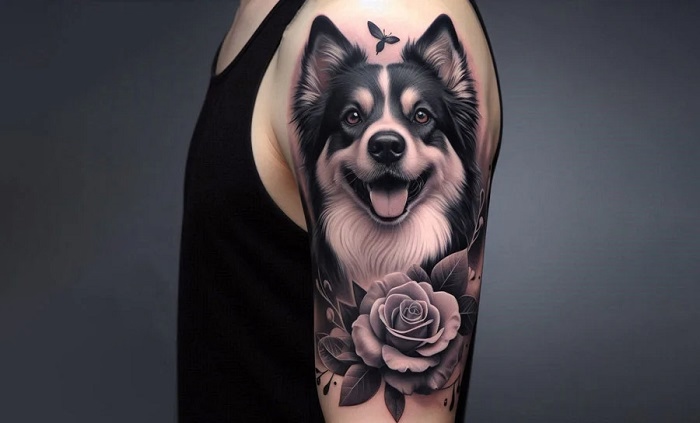
Pet tattoos are tattoos meant to celebrate, remember, or depict a cherished pet of yours. These tattoos could feature paw prints, photographs of the pet, or symbols connected to her life or personality. Many individuals find great meaning in these tattoos, which act as a memorial to their dogs and remind them of the pure love and company these animals offer.
Why Do Pet Tattoos Appeal?
Pet tattoos have been increasingly popular recently as people seek more permanent and intimate means of expressing their love for their animals. Long used to commemorate important life events, tattoos may also be a poignant reminder of the relationship between a person and their animal. A pet tattoo might be a cherished way for pet owners to express their bond, whether it’s a cherished dog, cat, or any other kind of pet. These tattoos have evolved into a potent means of permanent tribute.
Various Styles of Pet Tattoos
Regarding pet tattoos, the options are quite unlimited. People pick from a range of patterns that fit their own style and relationship with their animals. The most often used designs are these ones:
Pet Photographs
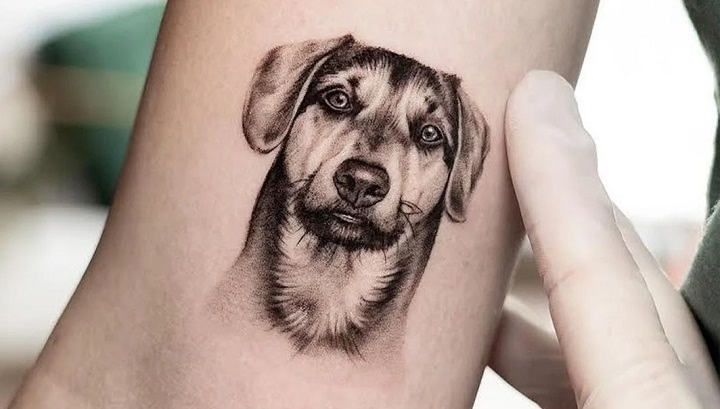
The lifelike pet portrait is among the most often worn kind of pet tattoos. Usually, these tattoos include minute features like their eyes, fur, and facial expressions, accurately depicting the creature. Many tattoo artists specialize in producing lifelike pet pictures, allowing pet owners to keep a thorough depiction of their animal with them always.
Prints from Paw Tools
The paw print is another often used motif for pet tattoos. A paw print tattoo might represent the presence of a pet in the lives of their owner. These tattoos can feature the pet’s name or a unique date, such as the pet’s birth or adoption day, and they can be as basic or as sophisticated as the owner wants.
Memorial Inks
Many pet owners view a tattoo as a memorial to a departed pet. These tattoos can feature anything from the pet’s name to a paw print to a meaningful quotation reflecting the pet’s influence on the owner’s life. Memorial tattoos help one honor the memories of a dear pet and preserve their spirit.
Simplicity in Design
Subtle and straightforward in nature, some pet owners like minimalist tattoos. Usually hidden on the body, these tattoos could be merely the pet’s initial or a little paw print. Though they offer a more subdued approach to honor a pet, minimalist tattoos can be just as meaningful as bigger, more complex designs.
Tattoos with Symbolic Meaning
Symbolic tattoos are another choice for people wishing to show a closer bond to their animals. These tattoos could feature hearts, infinity symbols, or other images reflecting the pet’s part in the life of the owner. Text, including the pet’s name, a unique date, or a poignant quotation that speaks to the owner, can also be included into these designs.
How One Gets a Pet Tattoo
If you’re considering a pet tattoo, you should be well-prepared by knowing the process. Here’s a broad guide of what to expect from a tattoo honoring your pet.
Selecting the Correct Musician
Choosing a tattoo artist who specializes in the style you like comes first in acquiring a pet tattoo. Search for an artist with portraiture experience if you want a realistic pet portrait. Look for an artist whose style fits your concept if you enjoy a more symbolic or minimalist design. Looking at local artists and reviewing their portfolios will help you choose the ideal fit.
Design Consulting and Advice
You will set a consultation to go over the design once you have selected your artist. You will exchange ideas, talk about tattoo placement, and choose the design size and style during this conference. If you are choosing a portrait tattoo, the artist will probably want pictures of your pet to guarantee an accurate portrayal.
The Tattoo Visit
Your artist will start the day of your tattoo appointment by getting ready the design and stenciling your skin. They will start the tattooing process once the stencil is positioned precisely. A tattoo session could run one to several hours depending on the design’s size and complexity.
Following-up
Ensuring good healing of your pet tattoo depends on appropriate aftercare. Your artist will go over in great detail how to treat your tattoo during the healing period. Usually, treatment entails avoiding direct sunlight, keeping the tattoo clean and moist, and not picking or scratching it.
Location for a Pet Tattoo
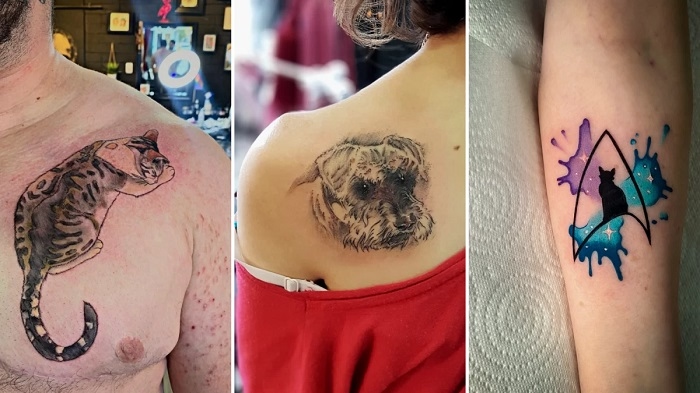
Just as much consideration should go into where you place your pet tattoo than into the design. Your tattoo’s visibility and frequency of view may depend on where it is located. These are some often used positioning ideas:
Arm’s
Pet tattoos are common on the forearm and upper arm since they provide enough area for intricate designs and are simple to hide or show off. Those who wish for a bigger tattoo—that of a portrait or a full-body depiction of their pet—should find this spot perfect.
Chest
For individuals wishing a more intimate tattoo, the chest is a significant site. Memorial tattoos commonly feature it since it represents that the pet is very dear to the owner.
Wrist or Ankle
Many times, the wrist or ankle is used for more subdued tattoos. Simple graphics like a tiny paw print or the pet’s name would fit these areas.
Back
For more significant pet tattoos, the back provides a big canvas. Detailed portraits or graphics spanning the upper or lower back would fit this space perfectly.
Pet Tattoos: Benefits and Drawbacks
Pros
- Emotional Significance: Pet tattoos are a permanent memorial to the link between owner and pet, therefore reflecting emotional significance.
- Customization: Design choices abound to fit your pet’s personality and own flair.
- Memorializing Pets: Pet tattoos offer a poignant approach to honor animals that have died.
Cons
- Pain: Pet tattoos can be uncomfortable, much as any tattoo, particularly in more sensitive body parts.
- Cost: Based on the artist’s ability and the size of the tattoo, realistic images or meticulous patterns might be costly.
- Fading: Pet tattoos may fade over time and need for touch-ups, just as with other tattoos.
FAQs Regarding Pet Tattoos
What factors should I give thought before obtaining a pet tattoo?
Think about the design, location, and long-term emotional impact of your pet tattoo before having one. Make sure your design speaks to you personally.
A pet tattoo takes what length of time to heal?
Though they vary, most tattoos heal completely in two to four weeks.
Could I get a tattoo of a pet I no longer own?
Indeed, many people acquire tattoos to honor dogs that have died, therefore preserving their legacy.
Are pet tattoos pricey?
A pet tattoo’s cost will rely on the size, intricacy, and hourly fee of the artist. Particularly expensive are portrait tattoos.
Getting a pet tattoo hurts, right?
Though everyone experiences tattoo pain differently, most people find the procedure to be reasonable. Where the tattoo is located on the body influences also the degree of pain.