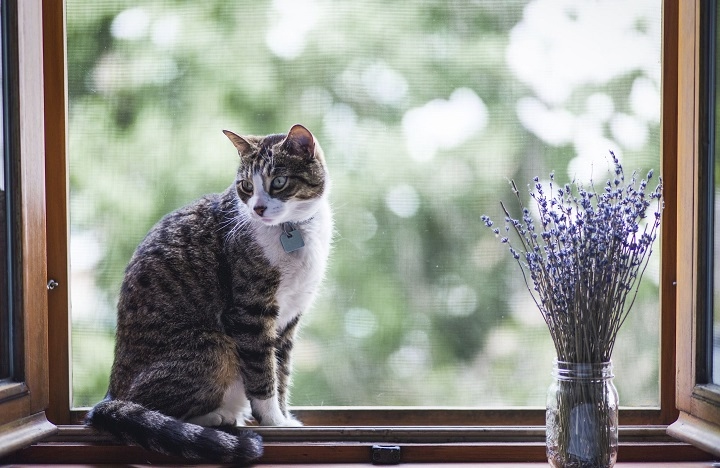
Lavender is one among the most popular plants, which is characterized by its pleasant aroma and pretty purple flowers. It finds its use in essential oils, decor for homes, and gardens. However, you may wonder whether lavender is safe for your feline friend. While lavender is not among the most toxic plants to cats, it may cause health problems if ingested or inhaled in large amounts.
This guide will consider whether lavender is toxic to cats, the dangers it presents, and how to keep your cat safe.
Is Lavender Toxic to Cats?
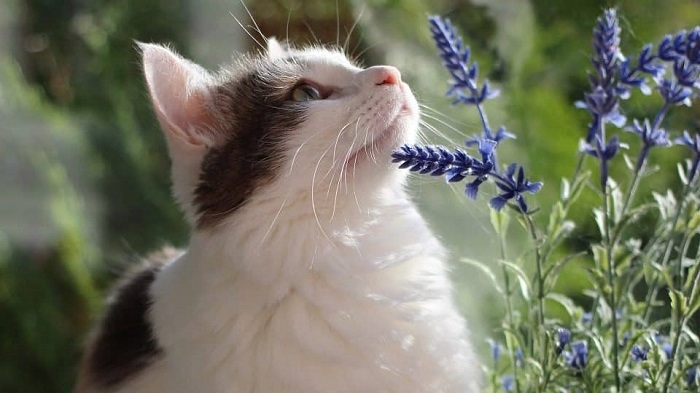
Lavender contains substances, linalool and linalyl acetate, which can be toxic to cats if ingested in huge amounts. Minor exposure to fresh lavender may not be as threatening, but more concentrated forms such as essential oils, dried lavender, and diffusers pose more risks.
Forms of Lavender and Their Toxicity to Cats
| Form of Lavender | Toxicity Level | Effects |
| Fresh Lavender | Mild | Minimal if ingested, may lead to light stomach irritation |
| Dried Lavender | Moderate | Bigger risk of digestive irritation as it is a concentrated plant product |
| Lavender Essential Oil | High | Toxic when ingested, inhaled, and even when absorbed through skin |
| Lavender Diffuser | High | Symptoms may lead to respiratory failure if it’s a confined room without fresh airflow |
Lavender Poisoning Symptoms
Cats may produce toxic symptoms upon ingestion of lavender or its concentrated forms, for example, essential oil. Symptoms include the following:
- Drooling
- Vomiting
- Diarrhea
- Lethargy
- Loss of appetite
- Difficulty breathing (from inhaling essential oils)
- Skin irritation (if lavender oil comes in contact with the skin)
Since cats don’t have the liver enzymes that break down the essential oils, even tiny amounts may be acutely sensitive. If any of the above symptoms are encountered, a call to the vet should be made.
Can Cats Be Around Lavender Plants?
Fresh lavender plants are not extremely toxic to cats, and because it has such a pungent smell, cats tend to avoid it. However, if your inquisitive kitty happens to nibble on a few leaves or flowers of this plant, he may develop mild digestive irritation. Better safe than sorry: keep the lavender plants out of your cat’s reach.
Why Lavender Essential Oil Is Hazardous for Cats
Lavender essential oil is very concentrated compared to the fresh plant. It can easily become toxic—even small quantities absorbed through the skin, or when inhaled. A majority of the pet owners use a diffuser containing lavender oil; this, however, is harmful to respiratory problems, especially in cats with pre-existing conditions like asthma.
How Essential Oils Affect Cats
- Lavender oil can cause labored breathing or uncontrollable sneezing upon inhalation.
- If it lands on the skin, it will be absorbed into the blood and can cause toxicity.
- If ingested—even in tiny amounts—it can cause vomiting and severe gastrointestinal upset.
How to Keep Your Cat Safe Around Lavender
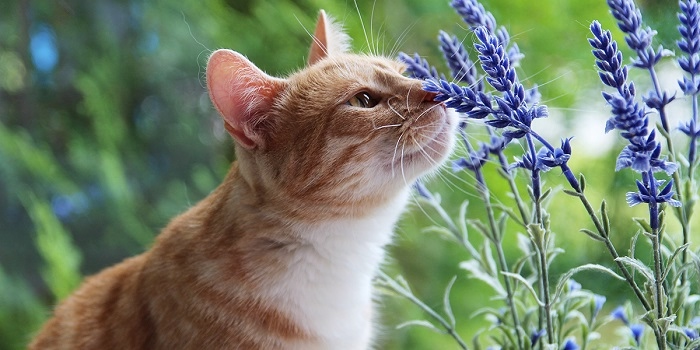
If you love lavender and still want to keep your cat safe, here is what you can do.
Keep Lavender Plants Out of Reach
If you have lavender in your home or outdoor garden, make sure planters are hung and that shelves are out of reach from your cat to avoid any accidental ingestion.
Lavender Essential Oil Is Toxic to Cats
Do not use lavender oil on your cat’s fur or around your pet in diffusers. What smells like a mild fragrance to our noses is really an overwhelming, toxic smell to cats.
Pet-Safe Alternatives
If you are into essential oils, try more cat-friendly aromas like chamomile or valerian root. You should always conduct research before you introduce any type of plant or oil into an environment where a pet is being kept.
Be on the Prowl for Symptoms of Exposure
If your cat has indeed been exposed to lavender, show signs of alarm. If it vomits, drools excessively, or faces breathing difficulties, take it immediately to the veterinary doctor.
Cat-Friendly Alternatives to Lavender
Below are a few pet-friendly options that will provide you with fresh fragrance indoors while keeping your cat safe.
| Safe Plants for Cats | Plants to Avoid |
| Catnip | Lavender |
| Valerian | Lilies |
| Chamomile | Eucalyptus |
| Spider Plant | Aloe Vera |
| Areca Palm | Pothos |
What to Do If Your Cat Ingests Lavender
If your cat has ingested lavender, approximate how much it has taken into its system, and monitor behavioral changes.
- Move the rest of the lavender out of the reach of your cat.
- Give plenty of fresh water to cleanse the system.
- Monitor the animal for any vomiting, diarrhea, or lethargy.
- Seek the professional advice of a veterinarian if the symptoms persist or get worse.
Frequently Asked Questions
Can cats be around lavender?
Yes, cats can be around fresh lavender but need to avoid essential oils and dried lavender.
How bad is it if my cat eats lavender?
It can have mild stomach upset and, in worst cases, develop some toxicity symptoms.
Is it safe to diffuse lavender oil around cats?
No, as it could cause respiratory issues and toxicity among cats.
Can lavender calm cats?
Whereas for humans, the smell of lavender may be calming, to cats, it is toxic and would not have an effect on their calming at all.
Do lavender advantages or benefits exist for cats?
None are proven, and the risk outweighs the possible advantages.