Cerenia is a commonly prescribed veterinary medication used to treat nausea and vomiting in cats. While it has proved effective for many, some owners have raised concerns about adverse reactions and even fatalities associated with its use. This article will explore what Cerenia is, its benefits, potential risks, and what to do if you suspect your cat has had a negative reaction.
What is Cerenia?
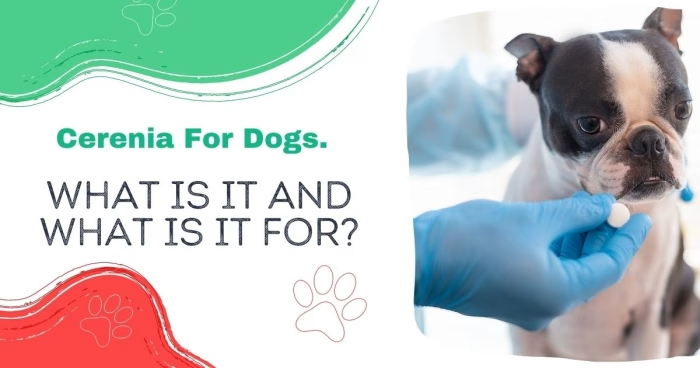
Cerenia, or maropitant citrate, is an antiemetic for the prevention and treatment of nausea and vomiting in cats and dogs. Common uses include:
- Motion Sickness: To prevent vomiting associated with travel.
- Postoperative: To prevent nausea following anesthesia.
- Chronic Vomiting: To treat persistent vomiting caused by gastrointestinal disorders or other underlying diseases. Cerenia works by blocking the neurokinin-1 (NK1) receptor in the brain, preventing the vomiting reflex.
How is Cerenia Administered?
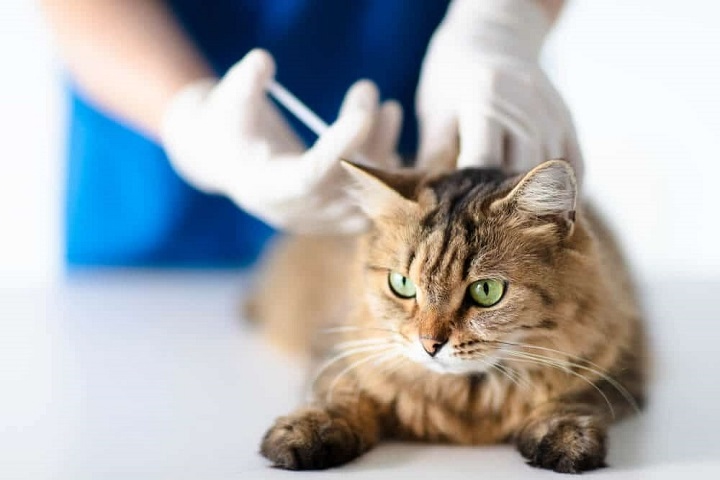
Cerenia can be provided as an injection in a veterinary clinic or in tablet form for home administration. Dosage and route depend on the weight, condition of the cat, and the veterinarian’s recommendation.
Cerenia Benefits
When administered correctly, Cerenia can bring significant relief to your cat:
- Reduces dehydration arising from excessive vomiting.
- Relieves discomfort from gastrointestinal distress.
- Improves appetite in cases of nausea.
- Enhances quality of life when used in chronic conditions.
Possible Side Effects and Risks of Cerenia
Though generally well tolerated, Cerenia has been known to cause side effects in some felines, including:
- Lethargy or Drowsiness: Cats may seem less energetic after administration.
- Diarrhea: This can result from oral administration.
- Drooling: Some cats drool excessively.
- Injection Site Pain: Cats can feel some pain and even some swelling at the site of injection.
Also Read: Can Cats Eat Shrimp?
Serious Risks:
In rare instances, Cerenia has been known to cause severe reactions, including:
- Anaphylaxis: An allergic reaction that requires immediate veterinary attention.
- Kidney or Liver Issues: Cats with pre-existing organ conditions may be at higher risk.
- Death: Although rare, some pet owners report fatalities, sparking concern about its safety.
Why Do Some Cats React Negatively to Cerenia?
Adverse reactions may occur due to:
- Underlying Health Conditions: Cats with kidney, liver, or heart problems may have difficulty metabolizing the drug.
- Incorrect Dosage: Overdosing can lead to toxicity.
- Adverse Reactions: Hypersensitivity to maropitant citrate or any of the excipients in Cerenia.
What to Do If You Think Cerenia Hurt Your Cat
If you think Cerenia harmed your cat, take the following steps:
- Stop Giving the Drug: Immediately discontinue use and consult with your veterinarian.
- Monitor Symptoms: Record any changes in your cat’s behavior or physical condition.
- Seek Emergency Care: If your cat is distressed, unable to breathe, seizing, or exhibiting profound lethargy, immediate veterinary attention is required.
- Report the Incident: Report the adverse reaction to your veterinarian and may further report it to the manufacturer or regulatory agencies.
Alternatives to Cerenia
If your cat cannot tolerate Cerenia, your veterinarian may recommend alternatives such as:
- Ondansetron: A prescription antiemetic that helps control nausea.
- Dietary Changes: Specialized diets that help minimize gastrointestinal distress.
- Natural Remedies: Ginger or probiotics may help, but consult your vet before use.
How to Minimize Risks When Using Cerenia
- Follow Dosage Instructions: Always administer Cerenia as directed by your vet.
- Provide a Full Medical History: Make sure your veterinarian is aware of any pre-existing health conditions.
- Monitor Your Cat: Observe your cat closely after administering Cerenia, especially after the first dose.
- Discuss Concerns: If you are worried about anything regarding the medication, discuss it with your veterinarian.
Customer Reports: Good and Bad
Several pet owners have reported on the use of Cerenia:
- Positive Reports: “Cerenia was a savior for my cat when she had to undergo chemotherapy.” “Car sickness is now nonexistent. My cat can finally go in the car without being sick.”
- Negative Reports: “After the shot, he was lethargic and stopped eating.” “Cerenia caused an extreme allergic reaction resulting in the death of my cat.”
Cerenia is a very effective medication for controlling nausea and vomiting in cats. However, like any other medication, it is not without its risks. Recognizing its potential side effects and using it correctly is very important to maintaining the safety of your cat. If you suspect an adverse reaction, take immediate action by consulting with your veterinarian. Ultimately, decisions about using Cerenia should be made in concert with your veterinarian and taking into consideration your cat’s specific needs.