

As a responsible cat owner, it’s essential to know which foods are safe for your feline companion. One question that often arises is, can cats have cherries? While cherries are a delicious and healthy fruit for humans, they can pose significant health risks for cats. In this article, we will explore why cherries are dangerous for cats and what steps you should take to ensure your pet’s safety.
Why Are Cherries Dangerous for Cats?
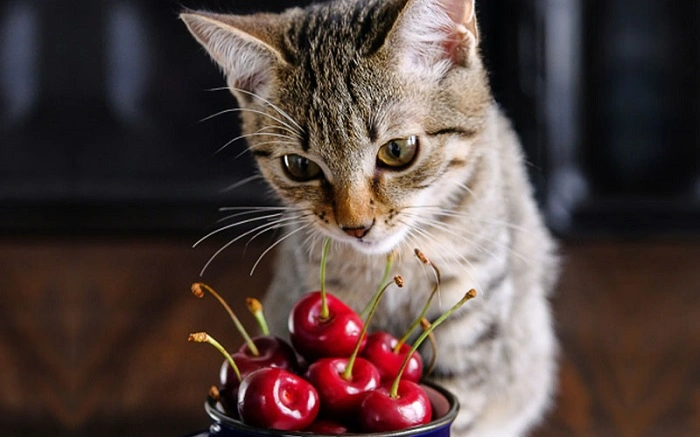
Cherries, although a nutritious snack for humans, contain compounds that are toxic to cats. The primary danger lies in the pits or seeds of cherries, which contain cyanide – a substance that is harmful to both humans and animals if consumed in large quantities.
Toxic Compounds in Cherry Pits
Cherry pits contain amygdalin, which, when metabolized, releases cyanide. This potent toxin can cause symptoms like difficulty breathing, dilated pupils, and even death in severe cases. Although a cat would have to ingest a large quantity of pits to experience life-threatening toxicity, it’s always better to be cautious. Even small amounts can lead to poisoning, especially if the pits are crushed or chewed.
Risks of the Fruit Itself
While the fruit itself is less harmful, feeding cherries to your cat can still pose risks. The fruit is high in sugar, which can lead to digestive issues, such as diarrhea or an upset stomach, if consumed in large quantities. Moreover, cherries are also acidic, which may irritate a cat’s sensitive digestive system.
What Happens if a Cat Eats Cherries?
If your cat happens to consume a cherry or part of one, you should monitor them closely for any symptoms of distress. The reaction to cherry consumption can vary depending on how much was ingested and whether it included the pit.
Immediate Symptoms to Look Out For
If your cat eats cherries, be on the lookout for the following symptoms:
- Vomiting
- Diarrhea
- Lethargy
- Loss of appetite
- Difficulty breathing (in the case of cyanide poisoning)
In severe cases, cyanide poisoning can result in sudden death, but this is very rare and usually occurs only if your cat consumes a large quantity of cherry pits.
What Should You Do If Your Cat Eats Cherries?

If you suspect that your cat has eaten cherries, it’s essential to act quickly. Here’s what you should do:
Step 1: Assess the Situation
Determine how much of the cherry your cat has eaten. Did they consume just the fruit, or did they also eat the pit? Knowing this will help you understand the level of risk involved.
Step 2: Contact Your Veterinarian
Even if your cat only consumed a small portion of a cherry, it’s still a good idea to contact your veterinarian for advice. They will assess the situation based on the amount ingested and provide appropriate instructions.
Step 3: Monitor for Symptoms
If you cannot reach your vet immediately, keep a close eye on your cat for the next several hours. If they exhibit any signs of distress, such as vomiting, difficulty breathing, or lethargy, take them to the vet right away.
Alternatives to Cherries for Your Cat
If you’re looking for safe and healthy treats for your cat, there are many options that can provide similar benefits without the risks associated with cherries. Here are some healthy alternatives:
Blueberries
Blueberries are a great choice for cats, offering a low-sugar, antioxidant-rich snack. They’re safe to eat and can provide a healthy dose of vitamins and minerals.
Watermelon
Watermelon, with its high water content, can help keep your cat hydrated, especially in warmer weather. Just make sure to remove any seeds before offering it to your feline friend.
Bananas
Bananas are another cat-friendly fruit, though they should only be given in moderation due to their high sugar content. Bananas provide a good source of potassium, which can help support your cat’s heart and muscle function.
Carrots
If you’re looking for a crunchy treat, try giving your cat small pieces of raw or cooked carrots. They are low in calories and high in fiber, which supports healthy digestion.
Cucumbers
Cucumbers are another excellent low-calorie, high-water treat. They are safe for cats and can be a refreshing snack, particularly during the summer.
How to Safely Introduce New Foods to Your Cat
Whenever you introduce a new food to your cat’s diet, it’s essential to proceed with caution. Start by offering small portions and monitor your cat for any signs of discomfort. Some foods that are safe for humans may not be suitable for cats, so it’s always a good idea to check before feeding them something new.
Consult Your Veterinarian
If you’re unsure about whether a particular food is safe for your cat, always consult your veterinarian. They can provide guidance based on your cat’s age, health status, and dietary needs.
Watch for Allergic Reactions
Like humans, cats can have allergies to certain foods. If your cat has a reaction after eating a new treat, such as itching, swelling, or digestive upset, stop feeding it immediately and consult your vet.
In conclusion, cherries are not a safe snack for cats. While the fruit itself may not cause harm in small amounts, the pits contain cyanide, which can be toxic to cats. It’s essential to avoid giving your cat cherries and to keep them away from any foods that could pose a risk. Instead, offer safer alternatives, such as blueberries, watermelon, and carrots, to keep your feline friend healthy and happy.