

When it comes to feeding your cat a variety of foods, it’s important to be cautious. Many fruits and vegetables are not suitable for your feline companion, and cherries are no exception. While they may look tempting, cherries can pose several risks to your cat’s health. In this article, we’ll explore whether cats can eat cherries, the potential dangers, and what you should do if your cat accidentally eats one.
What Are Cherries?
Cherries are small, round fruits typically grown on trees and are part of the Rosaceae family. These fruits come in various colors, such as red, yellow, and even black. While cherries are a popular fruit among humans due to their sweet and tart flavor, they are not recommended for cats. The fruit contains several substances that can be harmful to pets, especially if ingested in large quantities.
Can Cats Eat Cherries?
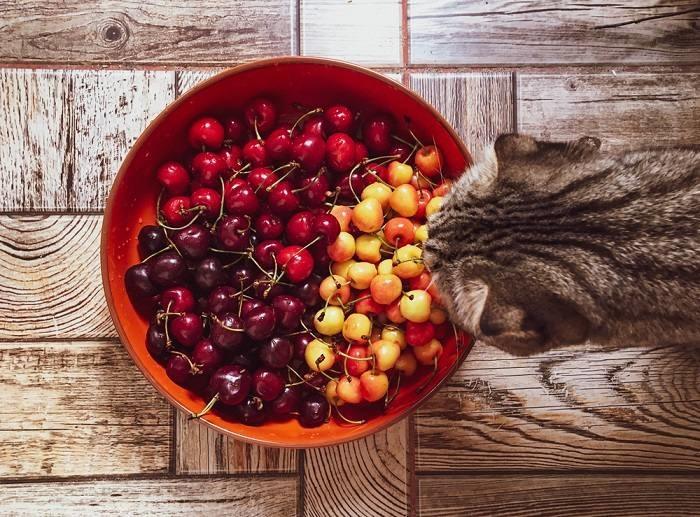
The short answer is no. Cats should not eat cherries. While the fleshy part of the cherry fruit might not be highly toxic to cats, other parts of the cherry plant can be dangerous. The pit, leaves, and stems of cherries contain cyanide, a poisonous substance that can cause serious health issues in your cat. Cyanide interferes with the body’s ability to carry oxygen, leading to symptoms like vomiting, diarrhea, difficulty breathing, and even death in extreme cases.
Why Are Cherries Harmful to Cats?
Several factors make cherries harmful to cats:
- Cyanide Toxicity: The seeds, stems, and leaves of cherries contain cyanide, which is toxic to both humans and animals when consumed in large enough quantities.
- Choking Hazard: Cherries have pits that can be a choking hazard to cats. If swallowed, the pit can obstruct the cat’s airway or cause damage to its digestive tract.
- Digestive Problems: Even if your cat eats just the fruit, cherries can cause digestive issues. The sugar content in cherries can be too high for cats to process, leading to upset stomach, diarrhea, and discomfort.
- High Sugar Content: While cherries are sweet, cats do not require sugar in their diet, and consuming sugary fruits can lead to obesity and other health problems over time.
Symptoms of Cherry Poisoning in Cats
If your cat eats cherries, it’s crucial to watch for signs of poisoning. Some of the common symptoms include:
- Drooling
- Vomiting
- Diarrhea
- Difficulty breathing
- Weakness or lethargy
- Dilated pupils
If you notice any of these symptoms after your cat eats cherries, it’s important to seek immediate veterinary care. A vet will be able to assess your cat’s condition and provide appropriate treatment, such as inducing vomiting or administering activated charcoal to absorb toxins.
What Should You Do If Your Cat Eats Cherries?
If you suspect your cat has eaten cherries, act quickly. Here’s what you should do:
- Stay Calm: It’s easy to panic, but staying calm will help you make better decisions.
- Check for Symptoms: Look for any signs of distress, such as vomiting or difficulty breathing.
- Contact a Veterinarian: If your cat has ingested any part of the cherry tree (fruit, leaves, stems, or pits), contact your veterinarian immediately. If it’s outside of office hours, call an emergency animal clinic for advice.
- Prevent Future Incidents: Ensure that cherries and other harmful foods are kept out of your cat’s reach to avoid future issues.
Safe Fruits for Cats
Although cherries are not safe for cats, there are other fruits that are generally safe for them to consume in moderation. Here are some cat-friendly fruits you can share with your feline companion:
- Blueberries: Rich in antioxidants, these small fruits can be a tasty treat for cats.
- Apples: Cats can safely eat small pieces of apple (without the seeds, as they also contain cyanide).
- Watermelon: This hydrating fruit is low in sugar and safe for cats to consume in moderation.
- Pineapple: Rich in vitamins and fiber, pineapple is another safe fruit option for cats.
Remember that all fruits should be given in moderation, as excessive amounts can lead to digestive issues and weight gain.
How to Keep Your Cat Safe Around Cherries
To keep your cat safe, here are some preventive measures to consider:
- Store Cherries Properly: Always store cherries and other toxic fruits in a place that’s inaccessible to your cat. Keep them on high shelves or in cabinets.
- Avoid Planting Cherry Trees: If you have a garden, consider removing or avoiding cherry trees to reduce the risk of your cat coming into contact with harmful parts of the tree.
- Educate Family Members: Ensure everyone in your household knows that cherries are not safe for cats and should be kept away from them.
What Happens If My Cat Eats Only the Fruit and Not the Pit?

If your cat happens to eat just the fleshy part of the cherry without the pit, the risk of cyanide poisoning is significantly reduced. However, the sugar content in the fruit could still cause digestive problems, such as diarrhea or stomach upset. It’s best to monitor your cat and contact a vet if you notice any unusual behavior or symptoms.
Why Are Some Fruits Safe for Cats but Not Others?
Fruits like blueberries and apples are safe for cats because they don’t contain toxic substances, and their sugar content is more manageable for cats to digest. On the other hand, cherries, grapes, and citrus fruits are harmful to cats due to the chemicals and high sugar content they contain.
Cats are obligate carnivores, meaning their bodies are designed to thrive on a meat-based diet. Fruits and vegetables should only be offered as an occasional treat, and it’s always a good idea to research before introducing a new food into their diet.
FAQs
1. Can cats eat cherry pits?
No, cherry pits contain cyanide, which is toxic to cats and can cause serious health issues.
2. Are cherry stems toxic to cats?
Yes, cherry stems contain cyanide, which is harmful to cats if consumed.
3. What should I do if my cat eats cherries?
Contact your veterinarian immediately if your cat consumes cherries or any part of the cherry plant.
4. Can cats eat other fruits?
Yes, some fruits like blueberries, apples, and watermelon are safe for cats in moderation.
5. Can cats have sugar?
No, cats do not require sugar in their diet. Too much sugar can lead to obesity and other health problems.