

Smoked salmon is a favorite treat for many humans—rich in flavor, protein-packed, and easy to enjoy on a bagel or as part of a gourmet meal. But when it comes to our feline companions, many pet owners wonder: can cats eat smoked salmon safely?
The simple answer is yes, cats can eat smoked salmon in small quantities, but it is not recommended as a regular part of their diet. While it may seem like a luxurious snack for your cat, smoked salmon comes with potential health risks that outweigh its benefits if not offered carefully and occasionally.
Is Smoked Salmon Safe for Cats?
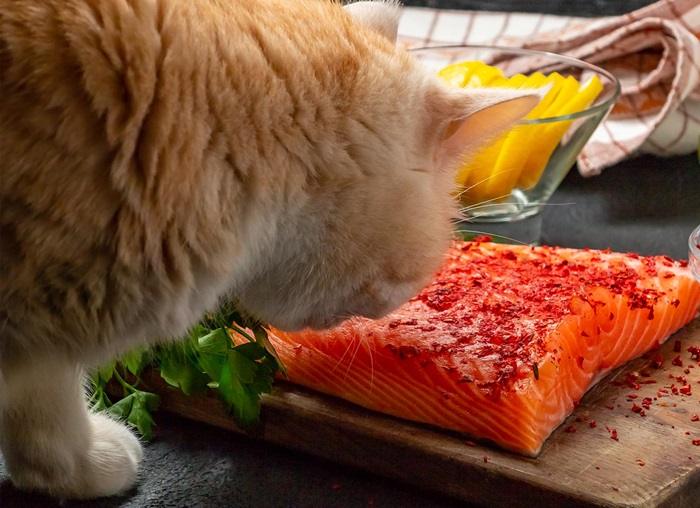
Cats are obligate carnivores, which means they require meat to survive and thrive. Salmon, in its pure form, is generally a safe and nutritious protein source for cats. It contains omega-3 fatty acids, high-quality protein, and essential vitamins. However, smoked salmon is quite different from fresh, cooked salmon.
Smoked salmon is often cured or brined in salt and then smoked, which adds flavor but also introduces elements that can be harmful to cats. High sodium levels, spices, and preservatives make smoked salmon a risky option for regular feeding.
Nutritional Profile of Smoked Salmon
Smoked salmon contains:
- Protein
- Omega-3 fatty acids
- Vitamin B12
- Selenium
- Sodium (very high)
- Nitrates and preservatives (in some commercial products)
While the protein and omega-3s are beneficial, the sodium and additives can be harmful to your cat’s health over time.
Risks of Feeding Smoked Salmon to Cats
High Sodium Content
One of the biggest concerns with smoked salmon is its high salt content. Cats have a much lower tolerance for sodium compared to humans. Excessive sodium can lead to dehydration, increased thirst, kidney strain, or even sodium ion poisoning in extreme cases.
Potential for Seasonings and Spices
Some smoked salmon is flavored with garlic, onion, or pepper. Garlic and onion are toxic to cats, even in small amounts. If your smoked salmon contains any added flavorings, it should never be given to a cat.
Risk of Preservatives and Additives
Commercial smoked salmon often contains preservatives like nitrates or nitrites. These are not suitable for feline consumption and could pose long-term health risks, especially if consumed regularly.
Raw or Undercooked Risk
Although smoking is a preservation method, it doesn’t always kill all parasites or bacteria. Some smoked salmon is cold-smoked, meaning it hasn’t been cooked at high temperatures. This increases the risk of pathogens like listeria or salmonella, which can cause gastrointestinal upset in cats.
Mercury and Other Contaminants
Salmon, especially if farmed or caught in polluted waters, may contain trace levels of mercury or heavy metals. While an occasional bite won’t cause harm, consistent exposure can be dangerous over time.
Can Kittens Eat Smoked Salmon?
Kittens have more delicate digestive systems and specific nutritional needs for growth. Smoked salmon, with its high sodium and possible preservatives, is not appropriate for kittens. Instead, stick with kitten-formulated food and approved protein sources like cooked plain fish or chicken without any seasoning.
Healthier Salmon Options for Cats
If you want to give your cat the benefits of salmon, choose safer alternatives:
- Cooked plain salmon: Baked or boiled without salt or seasoning
- Canned salmon in water: Occasionally, with no added salt
- Freeze-dried salmon treats: Specifically made for pets
Always remove bones and skin before feeding, and serve small amounts to avoid digestive issues.
How Much Smoked Salmon Can a Cat Eat?
If you’re determined to give your cat a taste of smoked salmon, moderation is key. A bite-sized piece once in a while as a special treat is unlikely to cause harm—provided the fish is free from seasonings and preservatives.
Limit the serving to no more than a teaspoon-sized amount, and never make it a regular part of their diet. Monitor your cat for any signs of digestive upset, such as vomiting, diarrhea, or lethargy.
What to Do If Your Cat Eats Too Much Smoked Salmon
If your cat accidentally consumes a large amount of smoked salmon, watch for symptoms such as:
- Excessive thirst or urination
- Vomiting or diarrhea
- Weakness or loss of coordination
- Loss of appetite
In severe cases, these could indicate sodium poisoning or a bacterial infection. Contact your veterinarian immediately for advice if symptoms occur.
Homemade Cat-Friendly Salmon Treat Recipe
If you’d like to offer your cat a safer salmon snack, here’s a simple recipe:
Ingredients:
- One small boneless, skinless salmon fillet
- Water
Instructions:
- Boil the salmon in water for 10–12 minutes.
- Let it cool completely.
- Shred into small, manageable bites.
- Store in the fridge and serve in tiny amounts as a treat.
Avoid adding any salt, oil, or seasonings. Plain and simple is best when feeding cats.
Differences Between Smoked Salmon and Cooked Salmon
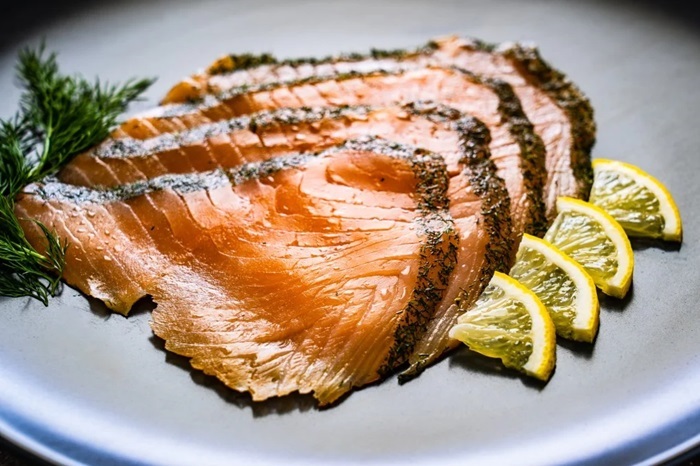
| Feature | Smoked Salmon | Cooked Plain Salmon |
| Sodium Content | Very High | Low |
| Additives/Spices | Often present | None (if homemade) |
| Parasite Risk | Higher (especially cold-smoked) | Minimal if cooked properly |
| Safe for Cats? | Occasionally and minimally | Yes, in small amounts |
| Preparation Method | Smoked after curing or salting | Baked or boiled without seasoning |
What Do Vets Say?
Veterinarians generally advise against feeding cats smoked meats, including smoked salmon, on a regular basis. While a nibble here and there isn’t likely to cause lasting harm, cats should stick to a balanced diet designed for their specific nutritional needs.
Vets often recommend feeding cooked meat, fish, or high-quality commercial cat food over smoked or processed human foods.
Can Smoked Salmon Be Used as a Cat Treat?
Smoked salmon should never be used as a regular treat. Many commercially available cat treats are specifically formulated to include the taste of salmon without the health risks. If your cat loves fish, choose vet-approved treats or plain cooked salmon instead.
Cat-Friendly Alternatives to Smoked Salmon
Here are a few options to replace smoked salmon as a high-value reward:
- Freeze-dried salmon cat treats
- Tuna flakes (low sodium, pet-safe)
- Boiled chicken breast
- Cooked whitefish or cod
- Catnip or cat grass for non-protein enrichment
These options are safer and more nutritionally appropriate for your feline friend.
Summary
Cats can eat smoked salmon, but only in tiny amounts and on rare occasions. The high salt content, potential spices, preservatives, and contamination risks make it an unsafe choice for regular consumption. If you want to treat your cat to the flavor of salmon, opt for plain cooked versions without salt or additives.
Always consult your vet before introducing any new food into your cat’s diet, especially human food. A well-informed approach ensures your cat stays healthy, happy, and safe.
FAQ
Is it okay to give my cat smoked salmon once in a while?
Yes, in very small amounts and only occasionally, but avoid if it contains added spices or preservatives.
Can smoked salmon make a cat sick?
Yes, due to its high sodium, potential bacteria, or spices. Monitor for signs of vomiting, diarrhea, or lethargy.
Is plain cooked salmon better for cats?
Absolutely. Cooked, unseasoned salmon is much safer and healthier than smoked varieties.
What happens if a kitten eats smoked salmon?
Kittens have sensitive systems and should not eat smoked salmon. Call your vet if they consume any.
Can cats eat lox or gravlax instead of smoked salmon?
No. These are cured with salt and sugar, and sometimes spices, which are unsafe for cats.