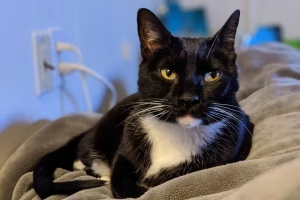

Hyacinths are a popular choice for gardeners, providing a burst of color in the spring with their fragrant, vibrant flowers. However, if you’re a cat owner, you may be wondering: Are hyacinths poisonous to cats? While these flowers are stunning to look at, they can pose a significant risk to our furry friends. In this article, we will explore the dangers of hyacinths to cats, how to identify poisoning symptoms, and what you can do to protect your pet.
What Are Hyacinths?
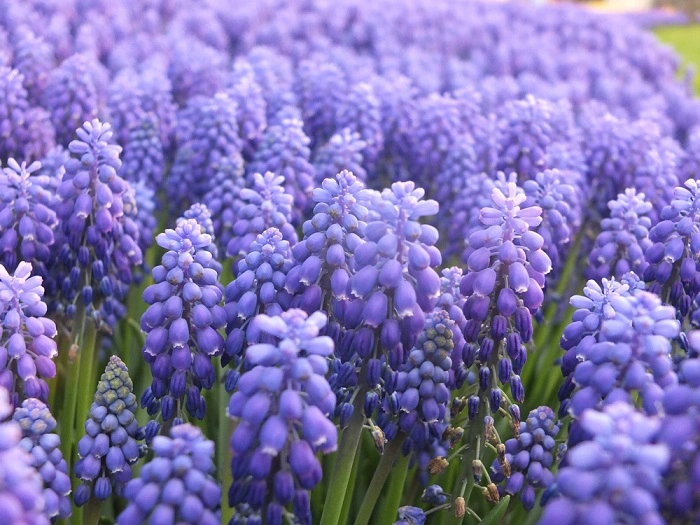
Hyacinths are bulbous plants that bloom in early spring, known for their distinctive bell-shaped flowers and strong fragrance. They come in various colors, including pink, purple, white, and blue, making them a favorite for gardeners. Despite their beauty, hyacinths contain toxic compounds that can be harmful to cats.
Are Hyacinths Poisonous to Cats?
Yes, hyacinths are considered toxic to cats. The bulbs, flowers, and leaves of the hyacinth plant contain compounds called alkaloids, specifically one known as saponin. When a cat ingests any part of the plant, it can cause a range of symptoms, depending on the amount consumed.
The toxins in hyacinths are especially concentrated in the bulbs, which are the most dangerous part of the plant. Cats are often curious creatures, and the strong fragrance of hyacinths may attract them. This curiosity can lead to accidental ingestion, resulting in poisoning.
Symptoms of Hyacinth Poisoning in Cats
If your cat ingests any part of a hyacinth, it’s essential to monitor them closely for symptoms of poisoning. The severity of symptoms can vary depending on how much of the plant was consumed. Some common signs of poisoning include:
Vomiting and Diarrhea
One of the first signs of hyacinth poisoning is gastrointestinal distress. Cats may start vomiting or have diarrhea as their body tries to expel the toxins. If this happens, it’s important to keep your cat hydrated and consult a veterinarian for further advice.
Drooling
Excessive drooling can occur in cats who have ingested parts of the hyacinth. This is a result of their body’s attempt to rid itself of the toxins. Cats may also paw at their mouth or seem distressed due to the discomfort caused by the plant’s toxins.
Lethargy
Hyacinth poisoning can also make cats feel sluggish or lethargic. If your cat is unusually tired or unwilling to move, it could be a sign that they are experiencing the effects of the toxins.
Loss of Appetite
Another symptom of hyacinth poisoning is a decrease in appetite. If your cat refuses to eat or seems uninterested in their food, this could be a direct result of ingesting the plant.
What to Do If Your Cat Eats a Hyacinth
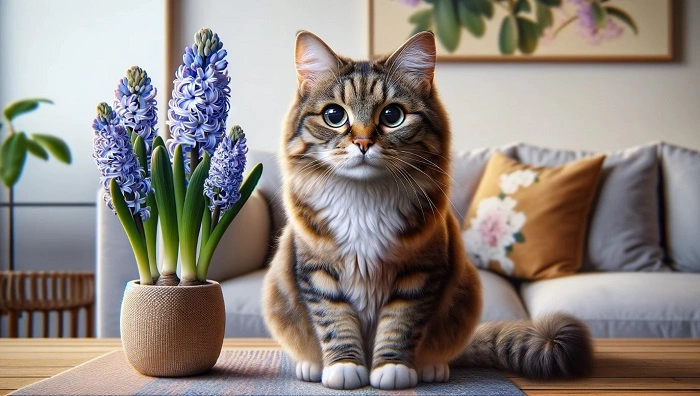
If you suspect that your cat has eaten a hyacinth, it’s important to act quickly. The first step is to remove any remaining parts of the plant from your home and ensure your cat has no further access to it. Then, take the following steps:
Contact a Veterinarian Immediately
Time is critical in preventing more severe symptoms. Call your veterinarian or an emergency animal clinic as soon as possible for guidance. They will likely recommend bringing your cat in for an examination, where they may induce vomiting or administer activated charcoal to prevent further absorption of the toxins.
Monitor Your Cat’s Condition
While awaiting professional care, keep a close eye on your cat. Make sure they are comfortable and stay hydrated. If they are vomiting or experiencing diarrhea, offer them small amounts of water to help prevent dehydration.
Avoid Home Remedies
It’s crucial to avoid attempting home remedies unless directed by a veterinarian. Some common remedies, such as giving your cat milk or attempting to induce vomiting on your own, could make the situation worse. Always rely on professional veterinary advice in these situations.
How to Keep Your Cat Safe from Hyacinths
Prevention is always the best course of action when it comes to your cat’s health. Here are some steps you can take to ensure that your furry friend is safe from the dangers of hyacinths:
Remove Hyacinths from Your Home
If you have hyacinths in your home, whether as potted plants or cut flowers, it’s essential to keep them out of your cat’s reach. Place plants in areas that are inaccessible to your pet, such as hanging baskets or high shelves. If your cat is particularly curious, consider avoiding hyacinths altogether.
Choose Cat-Friendly Plants
There are many beautiful plants that are safe for cats. Consider replacing hyacinths with cat-friendly alternatives, such as catnip, spider plants, or wheatgrass. These plants not only add beauty to your home but are also safe for your pet.
Train Your Cat
Training your cat to stay away from certain plants can help reduce the risk of poisoning. Using safe deterrents like bitter sprays or placing plants in areas where your cat cannot reach them can discourage them from investigating.
Keep Outdoor Plants Out of Reach
If you have hyacinths in your garden, make sure your cat doesn’t have access to them. Fencing off certain areas or creating a designated cat-safe outdoor space can help protect them from dangerous plants.
While hyacinths are beautiful and fragrant flowers, they are unfortunately toxic to cats. The bulbs, flowers, and leaves of the plant contain harmful compounds that can cause a range of symptoms, including vomiting, drooling, lethargy, and loss of appetite. If your cat ingests any part of a hyacinth, it’s essential to act quickly by contacting a veterinarian and following their guidance. The best way to protect your cat is through prevention, such as removing hyacinths from your home and choosing cat-friendly plants. By staying vigilant and informed, you can ensure your pet’s safety and enjoy a beautiful, hyacinth-free garden.