When it comes to training pets, especially cats, pet owners often seek solutions that can help modify undesirable behavior. A shock collar for cats is one such tool that has garnered both praise and criticism. While it promises to help train your feline companion, it’s essential to understand its potential benefits, risks, and alternative training methods. In this article, we will explore the effectiveness and safety of shock collars for cats, their pros and cons, and whether they should be a part of your pet care routine.
What is a Shock Collar for Cats?

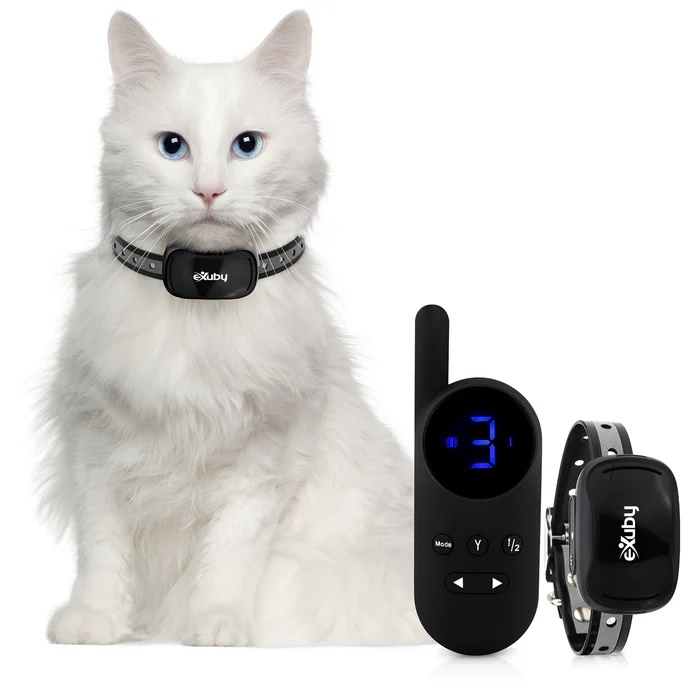
A shock collar for cats is a type of pet collar designed to deliver a mild electric shock as a form of correction when your cat exhibits undesirable behavior. The collar typically has a remote control or automatic sensors that activate the shock when certain conditions are met. While they are commonly used for dogs, they have also been marketed for cats to deter behaviors like scratching furniture, excessive meowing, or running away.
How Does a Shock Collar for Cats Work?
The shock collar functions similarly to a dog training collar, where it delivers a mild electric stimulation when activated. The stimulation can be set to different intensity levels, allowing the owner to adjust the shock according to the severity of the behavior. Some collars are automatic, responding to specific actions like a cat’s vocalizations, while others require a manual trigger from the owner through a remote.
Different Types of Shock Collars
There are several types of shock collars available for cats. These include:
- Static Shock Collars: These collars deliver a static shock when activated, usually as a form of negative reinforcement.
- Vibration Collars: Instead of a shock, vibration collars deliver a brief vibration to alert the cat that its behavior is undesirable.
- Spray Collars: These collars use citronella or unscented spray to distract the cat from undesirable behavior, often used to stop excessive meowing or scratching.
Pros and Cons of Shock Collars for Cats
Like any training tool, shock collars for cats have their benefits and drawbacks. It’s essential to weigh both sides before deciding whether to use one for your pet.
Pros of Using a Shock Collar for Cats
- Effective for Behavior Correction: Some cat owners have found that shock collars can help curb unwanted behaviors, such as excessive meowing, scratching, or jumping on counters. The shock serves as a quick deterrent.
- Immediate Feedback: The collar provides immediate feedback, helping cats associate their behavior with the unpleasant sensation, which can be effective in certain cases.
- Remote Control Convenience: With some collars, pet owners can use a remote control to deliver a shock when the cat is exhibiting undesirable behavior. This allows for more precise control.
- Training Independence: A shock collar can be useful for pet owners who are unable to supervise their cat constantly, as it provides a level of automated training.
Cons of Using a Shock Collar for Cats
- Risk of Stress and Anxiety: One of the most significant concerns with shock collars is that they can cause stress and anxiety in cats. The fear or discomfort created by the shocks could lead to behavioral problems or emotional trauma.
- Inhumane for Sensitive Cats: Cats are naturally more sensitive to stimuli than dogs. Even a mild shock could be distressing for a cat, leading to a loss of trust between the pet and its owner.
- Inconsistency in Training: Shock collars may not work for all cats. Some cats may become more defiant, while others may become fearful or withdrawn, leading to an inconsistency in training.
- Over-Reliance on Negative Reinforcement: Relying too heavily on negative reinforcement, like a shock collar, can inhibit the development of positive behaviors. Training should ideally focus on rewarding good behavior rather than punishing unwanted actions.
- Potential for Injury: If not used correctly, shock collars can cause physical harm to a cat. Prolonged exposure to shocks or using a collar that is too tight can lead to injuries.
Alternative Training Methods for Cats
If you are hesitant about using a shock collar, there are several alternative training methods to consider. Positive reinforcement is often seen as a more effective and humane approach.
Positive Reinforcement
Instead of using a shock collar to correct negative behavior, try using positive reinforcement. This method involves rewarding desirable behaviors with treats, praise, or affection. Over time, your cat will learn to associate the desired behavior with a reward, encouraging them to repeat it.
Clicker Training
Clicker training is another popular method for training cats. A clicker is a small device that makes a distinct sound when pressed. This sound is paired with a reward, helping your cat understand that a particular action results in a positive outcome. Clicker training is effective for teaching cats new tricks, commands, or behavior modifications.
Environmental Enrichment
If your cat is exhibiting unwanted behavior due to boredom or stress, environmental enrichment can be a helpful solution. Provide your cat with plenty of toys, scratching posts, and climbing areas to keep them engaged and active. Cats are naturally curious creatures, and providing stimulating environments can help reduce destructive behaviors.
Is a Shock Collar Right for Your Cat?
Deciding whether to use a shock collar on your cat is a personal decision. While it may be effective for some behaviors, it comes with risks that need to be carefully considered. If you are unsure, it’s always a good idea to consult a professional trainer or veterinarian to determine the most suitable training methods for your cat.
Key Considerations Before Using a Shock Collar
- Age and Size of Your Cat: Younger or smaller cats may be more sensitive to shocks, so it’s essential to choose the right collar and setting for their size and weight.
- Temperament of Your Cat: Cats with a more anxious or fearful disposition may not respond well to a shock collar. A more positive, reward-based approach might be better suited for these cats.
- Training Goals: If you are trying to correct minor behavior issues, alternative training methods like positive reinforcement may be more effective. Shock collars are often recommended for more severe or stubborn behavior issues.
FAQs about Shock Collars for Cats
Are shock collars for cats effective?
Shock collars can be effective for some behavior correction, but their success varies depending on the cat. They may not work for every cat and can cause stress or fear in some cases.
Do shock collars hurt cats?
Shock collars can cause discomfort, stress, or anxiety in cats. While the shocks are typically mild, some cats may find them distressing.
Can I use a shock collar to stop my cat from scratching furniture?
Shock collars can deter scratching, but other methods, like providing scratching posts or using anti-scratch sprays, may be safer and more effective in the long run.
Are there alternatives to shock collars for training cats?
Yes, positive reinforcement, clicker training, and environmental enrichment are great alternatives to shock collars and focus on rewarding good behavior rather than punishing bad behavior.
Should I consult a professional before using a shock collar?
It’s always a good idea to consult with a veterinarian or professional trainer before using a shock collar to ensure it’s the right choice for your cat’s needs.