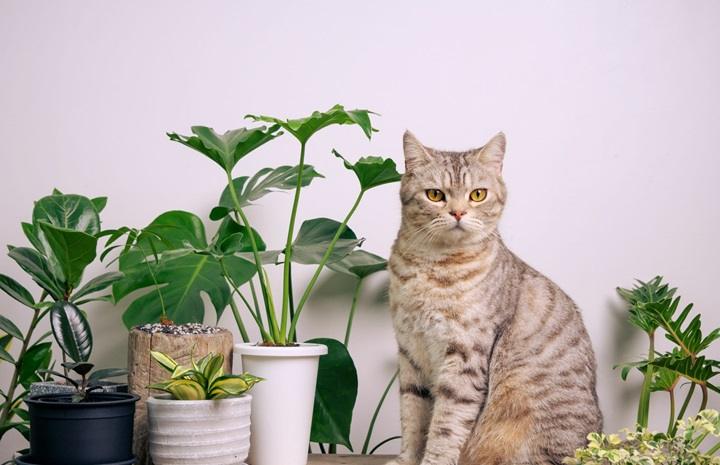
Monstera plants, also known as Swiss cheese plants due to their unique leaf holes, are popular houseplants. However, if you are a cat owner, you might be concerned about the safety of having one in your home. The question on many pet owners’ minds is, “Is Monstera toxic to cats?” This article explores the potential risks of having Monstera plants around cats and what you can do to ensure your feline friend stays safe.
What is Monstera?
Monstera, scientifically known as Monstera deliciosa, is a tropical plant native to Central America. Known for its large, glossy leaves with distinctive holes and splits, it has become a favorite among interior decorators. It thrives in indoor environments and can grow to impressive sizes, making it an eye-catching addition to any space. Despite its beauty, Monstera contains substances that can be harmful to cats.
Is Monstera Toxic to Cats?

Yes, Monstera plants are toxic to cats. The plant contains calcium oxalate crystals, which are sharp and can cause irritation when ingested. These crystals are present in all parts of the Monstera plant, including the leaves, stems, and roots. If a cat chews on any part of the plant, the calcium oxalate crystals can cause a variety of symptoms, ranging from mild discomfort to more severe reactions.
Why is Monstera Harmful to Cats?
The toxicity of Monstera comes from the calcium oxalate crystals present in the plant. When these crystals come into contact with the mouth or throat of a cat, they can cause intense irritation. The crystals can also lead to swelling and burning sensations, making it uncomfortable for your pet. If a cat ingests a significant amount of the plant, the toxins can cause further issues such as difficulty swallowing, drooling, and digestive upset.
Symptoms of Monstera Poisoning in Cats
If your cat has ingested part of a Monstera plant, it’s important to recognize the symptoms of poisoning. The severity of the symptoms depends on the amount consumed, but common signs of Monstera toxicity include:
1. Drooling and Excessive Salivation
One of the first signs that your cat may have chewed on a Monstera plant is excessive drooling. The plant’s toxic properties irritate the mouth, leading to a buildup of saliva.
2. Vomiting and Diarrhea
Ingesting Monstera can lead to gastrointestinal distress in cats. They may start vomiting or experience diarrhea as their body attempts to rid itself of the toxins.
3. Difficulty Swallowing
The swelling in the mouth or throat caused by calcium oxalate crystals can make swallowing difficult for cats. This may be accompanied by coughing or gagging.
4. Loss of Appetite
If your cat is experiencing discomfort after ingesting Monstera, they may stop eating. Loss of appetite is a common sign of toxicity and should be monitored closely.
5. Swollen Mouth or Tongue
One of the more serious symptoms is the swelling of the cat’s mouth or tongue. This can be painful and may cause your pet to avoid eating or drinking.
What to Do if Your Cat Eats Monstera
If you suspect your cat has ingested part of a Monstera plant, immediate action is necessary. Here’s what you should do:
1. Remove Access to the Plant
First and foremost, make sure your cat no longer has access to the Monstera plant. Move the plant to a higher location or remove it from your home entirely to prevent further exposure.
2. Rinse Your Cat’s Mouth
If your cat has chewed on the plant, gently rinse their mouth with water to remove any plant material. This can help reduce the irritation caused by the toxins.
3. Monitor for Symptoms
Watch for the symptoms listed above. If you notice any signs of distress, such as drooling, vomiting, or difficulty swallowing, it’s time to take your cat to the veterinarian.
4. Contact Your Veterinarian
If your cat is showing severe symptoms, such as swelling of the tongue or difficulty breathing, contact your veterinarian immediately. They may need to administer treatment to relieve the irritation and prevent further complications.
Preventing Monstera Poisoning in Cats
As a cat owner, it’s essential to take precautions to prevent your cat from coming into contact with toxic plants like Monstera. Here are some tips to keep your feline friend safe:
1. Place Plants Out of Reach
The simplest way to prevent poisoning is to keep your Monstera plant out of reach. Place it on high shelves or in areas where your cat cannot access it. This will help eliminate the risk of ingestion.
2. Use Cat-Friendly Plants
Consider replacing your Monstera with plants that are safe for cats. Some cat-friendly options include spider plants, cat grass, and Boston ferns. These plants will not pose a risk to your pet while still enhancing the beauty of your home.
3. Train Your Cat
Training your cat to avoid certain plants can be a helpful strategy. You can discourage your cat from chewing on plants by using bitter sprays designed for pets. These sprays make plants taste unpleasant, helping to deter your cat from nibbling.
4. Create a Cat-Free Zone for Plants
Designate a room or area of your home as a plant-free zone where your cat is not allowed. This will help ensure that your plants are safe and your cat is protected from potential hazards.
Alternative Ways to Keep Cats Safe Around Plants
If you’re looking for ways to incorporate plants into your home while keeping your cat safe, there are several alternatives to consider:
1. Pet-Safe Indoor Gardens
There are pet-safe indoor garden kits available that allow you to grow herbs and small plants. These gardens feature non-toxic plants that are safe for cats and provide a natural, green space for your home.
2. Artificial Plants
Another alternative is to use artificial plants to create a green ambiance in your home. These plants are safe for cats and provide the same aesthetic appeal without the risk of poisoning.
3. Cat Grass and Catnip
Cat grass and catnip are safe, natural alternatives that most cats enjoy. These plants are non-toxic and can be a great way to give your cat something to nibble on that won’t harm them.
FAQs about Monstera and Cats
1. Is Monstera safe for cats to eat?
No, Monstera is toxic to cats due to the presence of calcium oxalate crystals in the plant.
2. What happens if my cat eats Monstera?
If your cat eats Monstera, it can cause symptoms like drooling, vomiting, and difficulty swallowing due to irritation from the calcium oxalate crystals.
3. How do I treat my cat after eating Monstera?
You should rinse your cat’s mouth, monitor for symptoms, and contact your vet if any severe symptoms occur.
4. Are all parts of the Monstera plant toxic to cats?
Yes, all parts of the Monstera plant, including the leaves, stems, and roots, contain calcium oxalate crystals that are harmful to cats.
5. Can I grow Monstera safely around my cat?
To keep your cat safe, place the Monstera plant out of your cat’s reach or opt for non-toxic plants.