

Dogs are well-known for their loyal and loving nature, but they also have a variety of behaviors that often leave us puzzled. One such quirky behavior is the “dog side eye.” If you’ve ever caught your dog giving you a suspicious, sideways glance, you’re not alone. But what does this behavior mean? Is it a sign of distrust, confusion, or something else entirely?
In this blog post, we’ll dive into the psychology behind the dog side eye, what it signifies, and why it’s such a fascinating quirk of canine communication. By the end, you’ll have a better understanding of your dog’s behavior and what goes on behind those soulful eyes.
What is the “Dog Side Eye”?
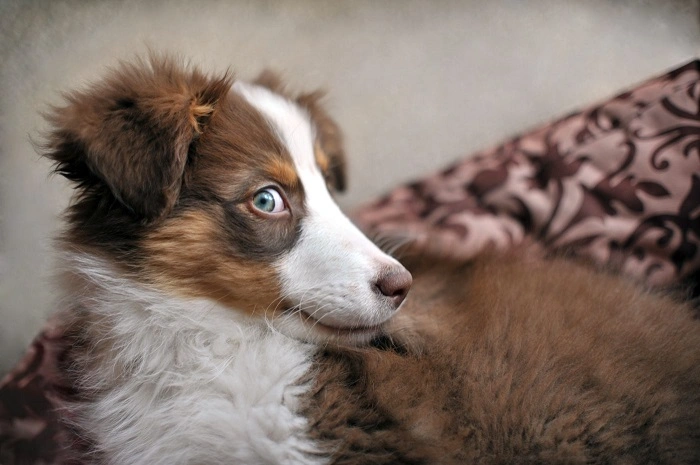
A “dog side eye” is when a dog looks at something—or someone—by turning its head to the side while keeping its body still. This glance is often characterized by narrowed eyes, a tilted head, and a subtle shift in expression. The side eye is typically accompanied by body language that is more relaxed or neutral, meaning the dog isn’t displaying overt signs of aggression or fear.
This behavior is an instinctual reaction and a non-verbal communication method that dogs use to convey emotions and intentions. Just like humans use facial expressions, dogs use these subtle eye movements to communicate how they’re feeling in any given situation.
Why Do Dogs Give Side Eyes?
There are a few possible explanations for the dog side eye, with the main reason being communication. Below, we’ll explore the most common reasons why dogs exhibit this quirky behavior:
Feeling Suspicious or Distrustful
When your dog gives you the side eye, it may indicate that they are suspicious or unsure about something. Dogs often use their eyes to gauge their environment, and when something doesn’t feel right, their reaction can be a sideways glance. This is especially true when they are in unfamiliar situations or surrounded by new people, smells, or noises. The side eye is their way of staying alert without being overtly aggressive.
Appeasing Behavior
Dogs often use side eye glances as a way to express submission or appeasement. For example, if your dog feels like they are in a situation where they need to avoid confrontation, they might give you a side glance. In this case, it’s a signal that they are trying to stay calm and avoid trouble. This behavior is especially common when dogs are interacting with other animals or people they feel might be intimidating.
Curiosity and Confusion
Dogs can also give side eye glances when they are curious or confused about something. If you’re doing something they don’t fully understand—like making an odd sound or movement—they may glance sideways to assess the situation without turning their head entirely. The dog is evaluating whether the situation is safe or if they need to react.
Attention-Seeking
At times, the dog side eye can be a playful or attention-seeking gesture. If your dog notices you’re looking away or distracted, they may give you a side glance to check if you’re paying attention to them. It’s their way of saying, “Hey, I’m here, notice me!” This behavior is commonly seen when dogs want treats, playtime, or affection.
Signs of Stress or Anxiety
The side eye can also be a subtle sign of anxiety or discomfort. If your dog feels trapped or cornered, they might use the side eye to assess an exit or gauge the intentions of other people or animals in the area. This is their way of staying alert to potential threats while avoiding direct eye contact, which could be perceived as confrontational.
Can a Dog’s Side Eye Indicate Something More Serious?
While a dog’s side eye is often harmless and part of their regular communication, it’s important to observe the context and other signs of behavior that may accompany it. In rare cases, if a dog is giving a side eye along with other signs of aggression, fear, or distress, it could be a signal of underlying issues. Look out for:
- Growling or snarling
- Tensing of the body
- Pinned-back ears
- Raised hackles
If you notice any of these signs along with the side eye, your dog may be feeling threatened, and it may be a good idea to remove them from the situation or consult with a veterinarian or dog trainer to address any behavioral issues.
How to Respond to Your Dog’s Side Eye
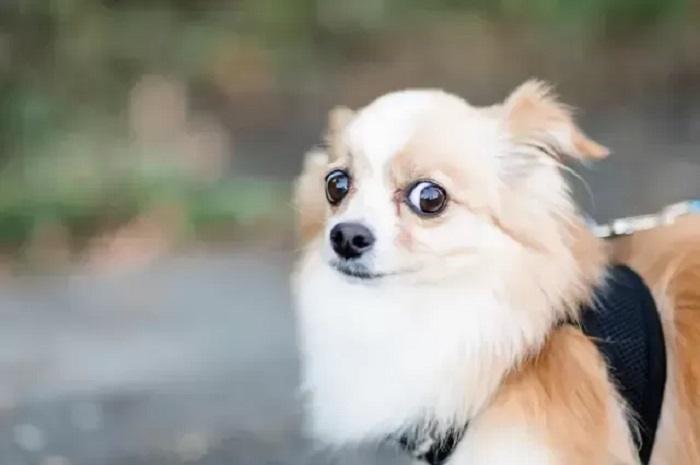
Understanding your dog’s side eye is an essential part of effective communication and building a stronger bond. Here are a few ways you can respond to this behavior:
Respect Their Space
If your dog gives you a side eye, it’s important not to invade their space immediately. Give them time and space to process the situation. Avoid making direct eye contact, as this can be interpreted as a threat. Instead, allow your dog to approach you when they feel comfortable.
Use Positive Reinforcement
If you notice your dog giving you side eyes during moments of stress or curiosity, try using positive reinforcement to ease their anxiety. Offering treats, praise, or a calming activity can help them feel more secure. Over time, they will associate your presence with comfort and safety.
Monitor for Patterns
If the side eye occurs in specific situations, take note of the context. Are there particular people, situations, or objects that trigger this behavior? Identifying patterns will help you better understand your dog’s emotional triggers and allow you to address them appropriately.
Consult a Professional
If the side eye behavior is frequent or seems to indicate deeper emotional issues like fear or aggression, consider working with a professional dog trainer or behaviorist. A trainer can help address behavioral concerns and ensure your dog feels secure and confident.
FAQs About Dog Side Eye
Why does my dog give me side eye?
Dogs give side eyes for a variety of reasons including suspicion, curiosity, or to express submission. It’s a way of communicating their emotions or thoughts in a subtle manner.
Can a side eye mean my dog is angry?
While the side eye can sometimes accompany signs of aggression, it doesn’t always mean your dog is angry. It’s important to consider the context and other body language cues.
How can I tell if my dog is stressed?
If your dog is giving side eyes along with other signs of stress, such as tensed muscles, panting, or avoiding contact, they may be feeling anxious or uncomfortable.
Is a dog’s side eye a sign of affection?
Sometimes, a side eye can be playful or attention-seeking. In these cases, your dog might be trying to engage with you, indicating affection or a desire for your attention.
What should I do if my dog gives me a side eye?
Respect their space and observe their body language. If it seems like they are feeling anxious or threatened, provide comfort or distraction. Avoid making direct eye contact as this could escalate their discomfort.
The dog side eye is a fascinating and subtle form of canine communication that can tell us a lot about what our dogs are thinking and feeling. Whether it’s a sign of suspicion, curiosity, or affection, understanding this behavior can help strengthen your bond with your pet and improve your ability to interpret their emotional state.
By observing your dog’s body language in different contexts and responding with empathy and care, you can create a more positive and trusting relationship with your furry friend.