

As dog owners, we often find ourselves perplexed when our dogs start crying. Whether it’s whimpering, whining, or outright howling, it can be difficult to figure out why your dog is crying and how to make it stop. While crying is a natural form of communication for dogs, it’s important to understand the reason behind it so that you can effectively address it. In this article, we’ll explore the common reasons why dogs cry and provide tips on how to soothe them.
Why Do Dogs Cry?
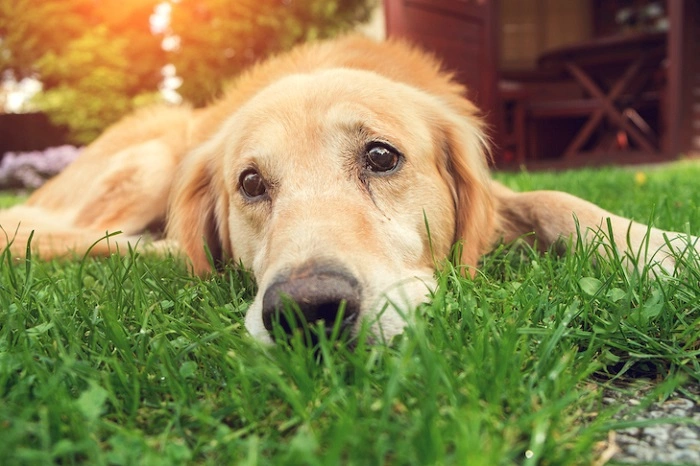
Dogs cry for various reasons, and it’s their way of expressing emotions or signaling a need. Crying can occur in puppies, adult dogs, and even senior dogs. Let’s take a closer look at the common reasons behind a dog’s tears and what you can do about it.
Separation Anxiety
One of the most common reasons dogs cry is separation anxiety. When dogs become overly attached to their owners, they may cry, whine, or howl when left alone. This is especially true if your dog is not used to being separated from you. Separation anxiety can cause distress and may lead to other symptoms like excessive barking, destructive behavior, or potty accidents.
How to Address It:
To help ease separation anxiety, try leaving your dog alone for short periods and gradually increasing the time away. You can also make the experience less stressful by creating a safe space for your dog, such as a comfortable crate or bed, and leaving them with a familiar scent like your clothing. Puzzle toys or treat-dispensing toys can also keep them occupied while you’re gone.
Physical Discomfort or Pain
Dogs, like humans, can cry when they’re in physical pain or discomfort. If your dog is crying suddenly or more frequently than usual, it could indicate an injury or illness. Conditions like arthritis, ear infections, or even an upset stomach can cause your dog to vocalize discomfort. Puppies may also cry during teething or after getting their vaccinations.
How to Address It:
If your dog’s crying is accompanied by signs of physical discomfort, such as limping, excessive licking, or changes in eating habits, it’s important to take them to the vet for a check-up. A professional evaluation will help determine if there’s an underlying medical issue that needs treatment.
Hunger or Thirst
If your dog is crying near their food or water bowl, it could simply mean they’re hungry or thirsty. Dogs may cry to let you know that it’s time for a meal or that their water bowl is empty. Puppies, in particular, may also cry if they’re not getting enough food to sustain their energy levels.
How to Address It:
Ensure that your dog is fed on a regular schedule and has access to fresh water at all times. If your dog continues to cry for food despite already being fed, it may be a sign that they’re not getting enough nutrition, and you may need to adjust their portion size or consult with your vet for advice.
Need for Attention or Affection
Dogs are social animals, and sometimes they cry simply because they want attention or affection. If you’re busy or distracted, your dog might start crying to get your attention. This is particularly common in dogs that are used to receiving lots of affection and interaction from their owners.
How to Address It:
While it’s important to acknowledge your dog’s desire for attention, it’s also important not to reinforce crying behavior. If you give in to your dog’s crying every time, they may learn that crying gets them the attention they want. Instead, try to provide regular playtime, walks, and cuddles throughout the day, so they feel emotionally fulfilled. If your dog cries when you’re not available, ensure they have enough mental stimulation, such as toys or interactive games, to keep them occupied.
Boredom or Lack of Stimulation
Dogs, especially active breeds, need plenty of mental and physical stimulation. If your dog is left alone for long periods without enough exercise or interaction, they may cry out of boredom. This is particularly common in younger dogs or high-energy breeds that need to burn off energy through play and exercise.
How to Address It:
Ensure your dog gets enough physical exercise through daily walks and play sessions. Interactive toys, such as treat-dispensing puzzles or ropes for tug-of-war, can help keep your dog mentally stimulated. If your dog is left alone for long hours, consider hiring a dog walker or enrolling them in doggy daycare to help break up their day.
Fear or Stress
Dogs can cry as a response to fear or stress. Loud noises, such as thunderstorms, fireworks, or sirens, can cause your dog to cry in fear. Dogs may also cry if they are in unfamiliar environments or are exposed to new experiences that make them feel anxious or stressed.
How to Address It:
If your dog cries during thunderstorms or fireworks, creating a safe and quiet space can help them feel more secure. You can use calming aids, such as anxiety wraps (like ThunderShirts) or pheromone diffusers, to help reduce stress. It’s also helpful to desensitize your dog to certain sounds by gradually exposing them to recordings of these noises in a calm environment, paired with positive reinforcement.
Desire to Go Outside
Dogs may cry when they need to go outside to relieve themselves. This is especially true if your dog is crate-trained or has a set routine for bathroom breaks. Puppies, in particular, are still learning where and when it’s appropriate to go, so they may cry to signal that they need to go outside.
How to Address It:
Establish a regular bathroom schedule for your dog. Take them outside at consistent times, such as after meals or naps, to avoid accidents. If your dog is crying near the door or window, they might be signaling that they need to go out.
Crying as a Way to Communicate
Dogs often use crying as a form of communication. It’s not always due to discomfort or distress; sometimes, they just want to let you know something is on their mind. It could be that your dog wants to play, go for a walk, or is alerting you to something in their environment.
How to Address It:
Pay attention to your dog’s body language and the context of the crying. If they’re jumping around excitedly or wagging their tail, they might be crying to get your attention for something fun. In these cases, it’s best to engage with your dog in a positive way, such as playing fetch or taking them for a walk.
How to Stop Your Dog from Crying

Once you understand why your dog is crying, you can take the appropriate steps to address it. Here are some general tips to help reduce your dog’s crying:
- Establish a Routine: Dogs thrive on routine, so make sure your dog has a consistent schedule for meals, bathroom breaks, exercise, and playtime.
- Provide Mental Stimulation: Keep your dog’s mind engaged with puzzle toys, training exercises, and regular interactions.
- Create a Safe Space: For anxious or fearful dogs, having a designated safe space with familiar items can help them feel secure and reduce crying.
- Positive Reinforcement: Reward calm behavior with praise, treats, or affection. This can help your dog learn that crying doesn’t lead to what they want, while being calm and patient does.
- Consult a Vet: If your dog’s crying persists despite your efforts, or if you suspect they may be in pain, it’s always a good idea to consult with your veterinarian.
FAQs About Dog Crying
Is it normal for my dog to cry?
Yes, dogs cry as a way of communicating. However, frequent or excessive crying can be a sign of a problem, such as separation anxiety, physical discomfort, or fear. It’s important to observe your dog’s behavior to determine the cause.
Can crying be a sign of illness?
Yes, if your dog is crying and showing other signs of illness, such as lethargy, loss of appetite, or limping, it could indicate pain or a medical condition. Consult your veterinarian if you’re concerned.
How can I calm my dog if they’re crying from anxiety?
Calming techniques, such as providing a quiet space, using anxiety wraps, or offering calming treats, can help alleviate anxiety-induced crying. You can also try desensitization techniques if your dog is scared of specific triggers.
Why is my dog crying when I leave the house?
This is a common sign of separation anxiety. Start by leaving your dog alone for short periods and gradually increasing the time. Providing toys or treats can help keep them distracted.
Can I train my dog to stop crying?
Yes, with patience and consistency, you can train your dog to stop crying for attention. Reward calm behavior and avoid reinforcing crying by giving in to demands.
Crying is a natural behavior for dogs, but it’s important to understand the cause behind it. Whether it’s due to pain, anxiety, hunger, or just a desire for attention, recognizing why your dog is crying will help you address the issue appropriately. By providing routine, mental stimulation, and comfort, you can help reduce your dog’s crying and ensure they are happy, healthy, and well-adjusted.