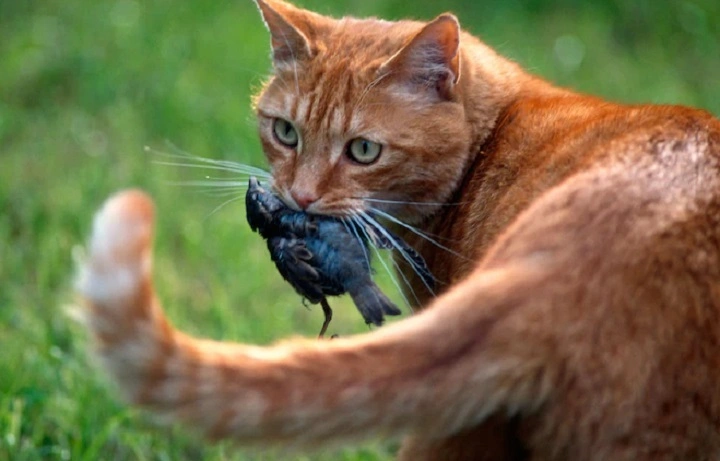
Cats are known for their agility, sharp senses, and stealthy behavior—but one question often raised by curious pet owners and wildlife lovers is: do cats eat birds? The answer is yes. Cats do eat birds, and this behavior is deeply rooted in their natural hunting instincts.
Whether you have an indoor cat who chirps at birds through the window or an outdoor explorer who brings home “gifts,” understanding why cats hunt birds, the impact on the environment, and what you can do as a responsible owner is important for both pet safety and wildlife conservation.
Why Do Cats Eat Birds?
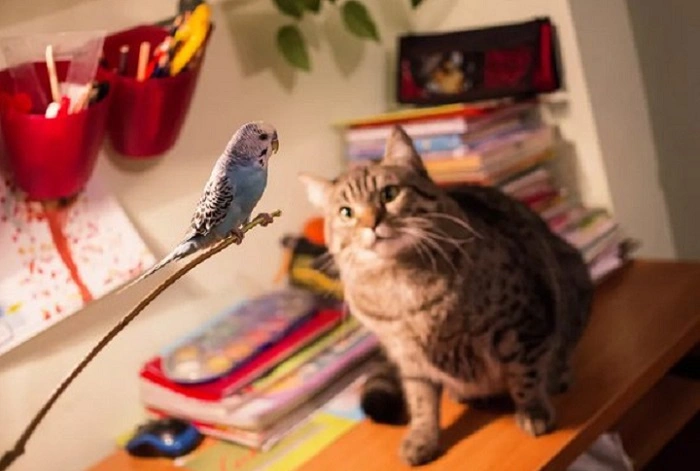
Cats are obligate carnivores, meaning they require animal protein to survive. Even if your cat is well-fed at home, it still has strong instincts to stalk, chase, and sometimes kill small prey like birds, mice, or insects.
Hunting for Survival or Sport
Domesticated cats often don’t hunt because they’re hungry—they hunt because it’s in their nature. Hunting provides mental stimulation and physical exercise. Many cats will pounce, catch, and kill a bird or rodent, even if they don’t eat it. This behavior can be more about the act of hunting than the need to feed.
Some cats do eat the birds they catch. Others may carry them around, leave them as “gifts” for their humans, or simply play with them. The reaction varies depending on the individual cat’s personality and environment.
Do Indoor Cats Hunt Birds?
Indoor cats have fewer opportunities to catch birds, but that doesn’t mean they lack interest. If your cat chirps, chatters, or twitches its tail while watching birds through the window, it’s displaying hunting behavior.
While they can’t physically catch birds indoors, indoor cats will still:
- Stalk bird videos or sounds on screens
- Watch birds from window perches
- Attempt to leap at flying insects or moths
These behaviors are signs of natural predatory instincts being stimulated, even in the absence of real prey.
Do Outdoor Cats Pose a Threat to Birds?
Yes. Outdoor and free-roaming cats are one of the leading causes of bird deaths worldwide. According to several ecological studies, domestic cats kill billions of birds each year, particularly in suburban and rural areas.
Species at Risk
Ground-nesting birds, baby birds (fledglings), and smaller songbirds are the most vulnerable. Cats often target:
- Sparrows
- Robins
- Finches
- Wrens
- Warblers
This level of predation can be especially harmful in areas where native bird populations are already under pressure due to habitat loss or climate change.
Health Risks for Cats That Eat Birds
While hunting birds may seem natural, eating wild birds can expose cats to various health hazards.
Parasites and Infections
Wild birds may carry parasites like roundworms, tapeworms, or toxoplasmosis. Consuming infected prey puts your cat at risk of contracting these illnesses.
Choking or Internal Injury
Bird bones are small and brittle. If swallowed, sharp fragments can injure a cat’s throat or digestive tract.
Poisoning
If a bird has ingested pesticides, toxins, or harmful substances (like rodent poison), your cat can be indirectly poisoned by consuming the bird.
What to Do If Your Cat Brings Home a Bird
If your cat catches a bird and brings it inside:
- Check if the bird is still alive. Injured birds should be carefully placed in a ventilated box and taken to a local wildlife rescue or rehab center.
- Keep your cat away from the bird to prevent further stress or injury.
- Clean your cat’s face and paws if there’s blood or feathers.
- Watch your cat for any signs of illness over the next few days.
- Contact your vet if your cat ate the bird or shows symptoms like vomiting, lethargy, or diarrhea.
How to Prevent Your Cat from Killing Birds
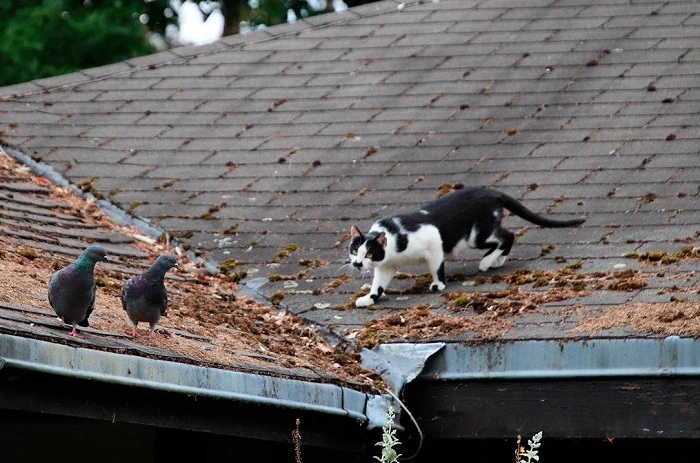
While it’s hard to suppress a cat’s instincts, there are responsible steps you can take to reduce their impact on local wildlife.
Keep Cats Indoors
The most effective way to protect birds and keep your cat safe is to keep them indoors or build a secure outdoor enclosure (catio). Indoor cats live longer, healthier lives and avoid common dangers like cars, parasites, and predators.
Use a Collar with a Bell
Some studies suggest that a bell on your cat’s collar can help warn birds before an attack. However, results vary and are not always reliable. Be sure the collar is quick-release to avoid injury.
Bright Colored Bird-Safe Collars
Products like the Birdsbesafe collar cover use bright colors and patterns that make cats more visible to birds, reducing successful hunting attempts.
Supervised Outdoor Time
If your cat loves being outside, consider supervised walks with a harness and leash. This allows them to explore safely without harming wildlife.
Enrichment for Indoor Cats
Provide plenty of stimulation indoors to satisfy your cat’s hunting urges:
- Interactive toys
- Puzzle feeders
- Window perches for bird watching
- Laser pointers or feather wands
Meeting their mental and physical needs can reduce the drive to hunt.
Should Cats Be Punished for Hunting Birds?
No. Hunting is instinctive and not something cats do out of spite or misbehavior. Punishing a cat for hunting will only create stress or fear. Instead, focus on redirecting their energy with toys and training while managing their access to outdoor wildlife.
The Debate: Cats and Wildlife Conservation
The conversation around cats and birds has become part of a larger debate between pet ownership and environmental conservation. Some advocate for managing feral cat populations through neuter and release programs, while others push for stricter leash laws or keeping domestic cats indoors entirely.
As a responsible cat owner, being aware of your pet’s impact on local wildlife—and taking simple preventative steps—can help protect both your cat and the environment.
FAQs About Cats Eating Birds
Is it normal for cats to eat birds?
Yes, it is normal behavior driven by instinct. However, it’s best to discourage it for the sake of your cat’s health and bird conservation.
Are birds toxic to cats?
Birds themselves are not toxic, but they may carry parasites or diseases that can be harmful to cats.
Can eating a bird make my cat sick?
Yes. Cats can get sick from bacteria, parasites, or toxins in birds. Contact a vet if your cat becomes ill after eating one.
What bird species are most at risk from cats?
Small songbirds, fledglings, and ground-nesting birds are particularly vulnerable to cat predation.
How can I stop my cat from catching birds?
Keep them indoors, use bird-safe collars, provide plenty of toys, or build an outdoor catio to give them safe access to nature.