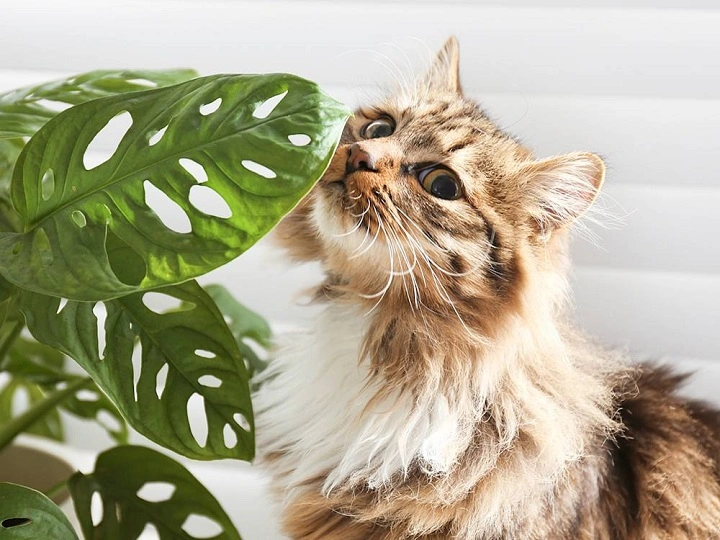
Monstera plants, commonly known as the Swiss cheese plant, are a popular choice for home decor due to their unique appearance and ease of care. However, if you’re a cat owner, you may have concerns about whether this striking plant is safe for your furry friend. In this article, we’ll explore the potential dangers of Monstera plants to cats, symptoms of poisoning, and steps you can take to keep your pet safe.
What Makes Monstera Toxic to Cats?
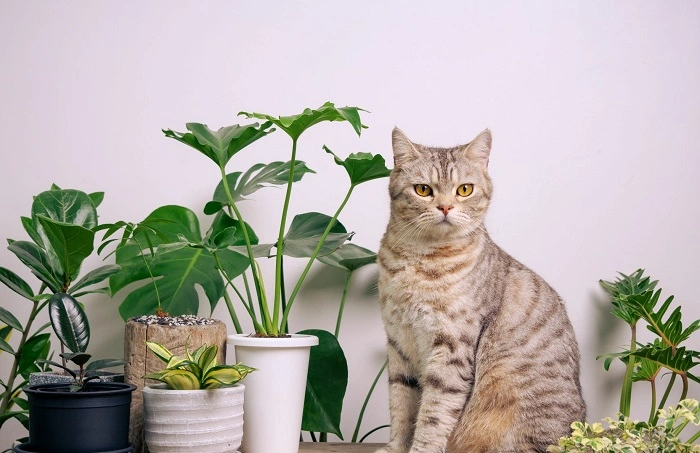
Monstera plants contain compounds called oxalate crystals. These crystals are needle-like and are toxic to pets, particularly cats. When ingested, these crystals can cause irritation in the mouth, throat, and digestive tract, leading to a variety of symptoms. The oxalates can also irritate the kidneys in some cases, making it essential for pet owners to be cautious when having a Monstera plant in the house.
How Does Monstera Affect Cats?
The primary concern with Monstera is the calcium oxalate crystals it contains. When a cat chews or ingests parts of the plant, these crystals can penetrate the tissues of the mouth, throat, and digestive system, causing a reaction that can lead to several symptoms. While these crystals are not immediately fatal, they can cause severe discomfort and health issues.
Common Symptoms of Monstera Poisoning in Cats
If your cat ingests a Monstera plant, you might notice a variety of symptoms. Here are some of the most common signs of poisoning:
- Drooling: Cats will often salivate excessively due to the irritation in their mouths.
- Oral Irritation: The affected area can become swollen, red, or sore, making it painful for your cat to eat or drink.
- Vomiting: Ingesting Monstera can lead to an upset stomach and vomiting.
- Difficulty Swallowing: Cats may have trouble swallowing due to swelling in their mouth and throat.
- Lack of Appetite: The discomfort caused by the plant can make your cat lose its appetite.
If you notice these symptoms in your cat after they’ve been around a Monstera plant, it’s crucial to seek veterinary help immediately.
Are All Parts of Monstera Dangerous to Cats?
Yes, all parts of the Monstera plant are toxic to cats, including the leaves, stems, and roots. While cats are more likely to nibble on the leaves, any part of the plant can pose a risk if ingested. It’s essential to keep the plant out of reach of curious cats to prevent accidental consumption.
Why Do Cats Chew on Plants?
Cats are naturally curious creatures, and they may chew on plants for various reasons, such as boredom, dental issues, or simply out of curiosity. Cats are also known to nibble on plants as a form of self-medication to aid digestion or settle their stomach. Unfortunately, this can lead to them ingesting toxic plants like Monstera, which can cause a range of health problems.
What to Do If Your Cat Eats Monstera
If you catch your cat in the act of eating a Monstera plant, or if you suspect they have ingested part of it, the first thing to do is remain calm. Here’s what you should do:
Remove the Plant
If the plant is still within your cat’s reach, immediately remove it to prevent further exposure.
Check for Symptoms
Monitor your cat closely for any signs of distress or illness. If your cat shows symptoms such as drooling, vomiting, or difficulty swallowing, you should contact your veterinarian right away.
Contact Your Veterinarian
If you are concerned that your cat may have ingested a dangerous amount of Monstera, don’t hesitate to call your vet. The veterinarian may recommend bringing your cat in for treatment or offer guidance on how to handle the situation at home.
Induce Vomiting (If Recommended)
In some cases, your vet may instruct you to induce vomiting to expel the toxins from your cat’s system. However, this should only be done under the guidance of a professional, as incorrect administration can lead to further harm.
How to Prevent Monstera Poisoning in Cats
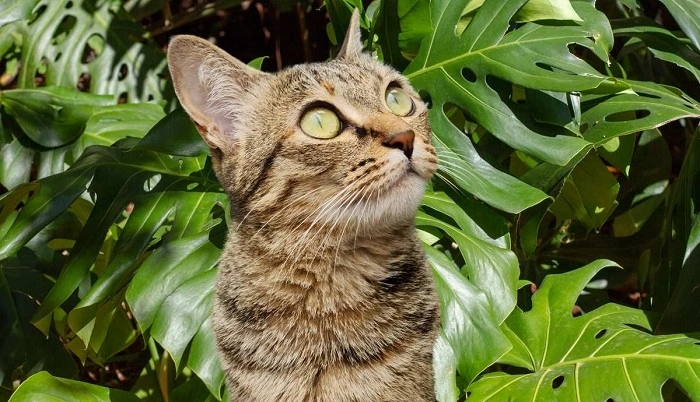
Prevention is key to keeping your cat safe from the harmful effects of Monstera. Here are some tips for safeguarding your home:
Keep Monstera Out of Reach
The simplest and most effective way to prevent your cat from eating Monstera is to place the plant in an area that is difficult for your cat to access. Consider using hanging planters, high shelves, or window ledges to keep your plants safe.
Choose Cat-Safe Plants
If you love having plants in your home but are worried about the toxicity of Monstera, consider choosing pet-safe alternatives. Some plants that are non-toxic to cats include spider plants, cat grass, and bamboo palm.
Train Your Cat
Training your cat to avoid certain plants can be a useful tool in preventing accidents. Use positive reinforcement to reward your cat for staying away from harmful plants. You can also use deterrents such as citrus peels or sprays that cats dislike to keep them from nibbling on your plants.
Create a Cat-Friendly Environment
Providing your cat with ample toys, climbing structures, and other sources of entertainment can help reduce their temptation to chew on plants. A bored cat is more likely to engage in undesirable behaviors like chewing on plants.
FAQs
What happens if my cat eats Monstera?
If your cat eats Monstera, it may experience symptoms like drooling, vomiting, oral irritation, and difficulty swallowing due to the calcium oxalate crystals in the plant.
How long does it take for a cat to show symptoms after eating Monstera?
Symptoms typically appear within a few hours of ingestion, but it may vary depending on the amount ingested and the individual cat’s sensitivity.
Are there any safe plants for cats to eat?
Yes, there are many safe plants for cats, such as spider plants, cat grass, and bamboo palm. These plants are not toxic and can be enjoyed by your cat.
Can Monstera cause permanent damage to my cat?
In most cases, Monstera poisoning causes temporary discomfort, but if left untreated, it could lead to more serious health issues. Immediate veterinary care can prevent long-term damage.
What should I do if my cat has eaten Monstera?
If your cat has eaten Monstera, contact your veterinarian immediately. Monitor your cat for symptoms and follow your vet’s guidance for treatment.