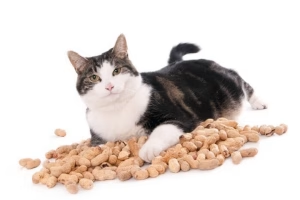

Most pet owners will have a moment when they may question whether or not it is safe to share just a little bit of something from their plate with their feline companion. Among the most popular breakfast foods, one that many cat owners ask about is bacon. In this article, we discuss whether cats can safely eat bacon, the possible risks associated with it, and healthier alternatives for your kitty.
Is Bacon Safe for Cats to Eat?

Being obligate carnivores, the diet consists of a high content of animal protein. Even though this is a meat product, it does not necessarily imply that it is safe or healthy for cats. The major issues associated with bacon are its salt and fat, which negatively affect the health of a cat.
Nutritional Composition of Bacon
This normally cures the bacon with salt, contains nitrates for preservation, is highly saturated with fats and calories, and therefore could contain other risk elements to the feline even when a little bit of the bacon contains a tiny amount of protein.
Risks of Feeding Bacon to Cats
Highly Salty Content
Cats require a minute quantity of sodium. An excess intake of salt can cause dehydration, electrolyte imbalances, or more severe conditions like sodium ion poisoning. The symptoms of sodium poisoning in cats may include the following:
- Vomiting
- Diarrhea
- Lethargy
- Increased thirst or urination
- Seizures
Fat and Obesity
Bacon is a fatty food product that if ingested in excessive amounts, results in obesity in cats. Obesity can easily cause diseases like diabetes, arthritis, and heart diseases in cats.
Gastrointestinal Issues
Cats have sensitive stomachs and react quite poorly to fatty foods, such as bacon, by vomiting and diarrhea. More adversely, overconsumption of high-fat foods can cause pancreatitis, which is the inflammation of the pancreas and might be quite painful as well as threatening to the lives of cats.
Toxic Additives
Many commercialized types of bacon contain nitrates and other chemicals that are toxic to cats. Even an infinitesimal amount of these chemicals can affect their bodies adversely.
Can My Cats Occasionally Eat Bacon?
Although it isn’t recommended, a tiny serving size of cooked, plain bacon might not cause immediate harm to your cat. Nevertheless, moderation is imperative. Treats like bacon shouldn’t replace regular cat food with its high-quality, nutritionally-optimized formulation of your cat’s diet.
Crucial Pointers on Providing Bacon:
- Cook it thoroughly: Raw or undercooked bacon may harbor harmful bacteria such as Salmonella or E. coli.
- Avoid seasonings: Spices, especially garlic and onion, are toxic to cats.
- Limit portions: A piece no larger than your fingernail is enough as an occasional treat.
Healthier Alternatives to Bacon for Cats

If you’re looking to reward your cat or add variety to their diet, consider these safer and healthier options:
Cooked Chicken or Turkey
Lean, plain-cooked poultry is one of the richest sources of protein for your cat and so much healthier than bacon.
Fish
Smaller portions of cooked salmon, tuna, or sardines that are unsalted and unseasoned can make for a tasty snack for your feline.
Commercial Cat Treats
Look for cat treats designed for the feline diet. Most brands carry high-protein, low-fat selections that your cat will crave.
Freeze-Dried Meat Treats
Free-dried meat products, whether they are chicken, beef, or fish-based, are phenomenal, safe treats that are absolutely nutritionally sound.
What to Do if Your Cat Eats Bacon Accidentally?
If your cat eats a small amount of bacon, don’t worry. Observe its behavior and look for symptoms of digestive upset or other abnormal signs. If your cat eats a large amount of bacon or exhibits any of the following symptoms, call your veterinarian right away:
- Vomiting or diarrhea
- Difficulty breathing
- Excessive thirst
- Lethargy or weakness
Restricting Access to Bacon and Other Human Foods
This means setting boundaries and not allowing your cat to access any food that can harm them. These are some helpful tips:
Be Vigilant During Mealtime
Make sure that your cat does not sneak food off your plate.
Place Leftovers in an Airtight Container
Store bacon and other dangerous foods in a sealed container where your cat cannot access them.
Educate Your Family Members
Let the family members in the house be aware of the dangers of giving your cat bacon as a treat from human food.
Bacon is good to eat by humans, but it is not something to feed cats. The sodium, fat, and additives make it dangerous for your pet cat. If you need to give treats to your feline, cooked chicken and specific commercial cat treats that are only created for them can be healthy. Always look at the best for your pet, so if you feel unsure, don’t hesitate to discuss with your vet regarding new food addition to your feline friend.