
Although many cat owners will tell you their feline friends love to be pet, cats are renowned for their independent attitude. Cats typically ask their human pals for love, whether it means a full-on belly rub or a light scratch behind the ears. But why do pets—including cats—like to be so frequently? There are several biological, psychological, and social elements underlying this behavior; knowing these causes can assist you to develop the relationship with your cat.
Petting’s Calming Powers for Cats
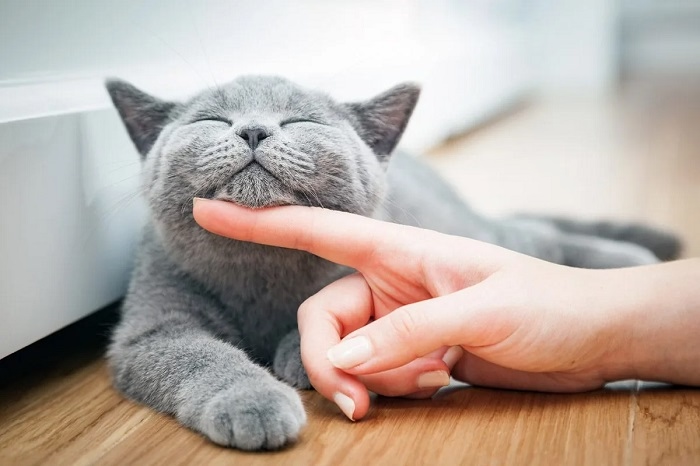
Cats’ enjoyment of being pet stems mostly from the mental and physical comfort it offers. Petting a cat triggers endorphins, chemicals that boost mood and relaxation-oriented behavior. This procedure reminds me of what people experience after a massage or consoling touch.
The Feel-Good Hormones Endorphins and Oxytocin
Your cat’s body releases endorphins when you pat it, which not only helps them to relax but also helps to lower tension and anxiety. Petting can also cause oxytocin, the “love hormone,” to be released, therefore strengthening bonds of trust and affection between the cat and its owner. Cats so often like being caressed by their people since it helps them to feel safe and comfortable in their surroundings.
The Comforts of Human Touch
The warmth of human hands is another factor that appeals to cats about being petted. Like many other animals, cats have temperature sensitivity. Especially in chilly surroundings, the warmth of your hand brings comfort. Because the heat is comforting, cats typically flock toward warm locations, such laps or sunny regions. Petting makes one feel more at ease and happy since it replicates this natural inclination for warmth.
Cats and Their Aesthetic Requirements
Petting offers a means to meet several of the highly sensitive needs of cats. From their velvety fur to their delicate whiskers, cats are tuned to many bodily cues.
Their Fur and Skin’s Significance
Cats’ very sensitive fur and skin layer responds to touch. The sensation of your hands running over a cat’s fur causes their body to react. For them, this can particularly be fun since it replicates grooming actions they would encounter in the environment. Grooming helps cats bond in addition to being a means of hygiene. Petting your cat helps you to replicate this grooming action, therefore strengthening attachment and trust.
Whiskers and Sensory Experience
Still another crucial component of a cat’s sensory system are whiskers. Long, delicate hairs enable cats to negotiate their surroundings and sense variations in air currents. Petting a cat close to their whiskers can give them extra sensory stimulation that keeps them conscious of their environment, so enhancing their comfort and grounding.
Emotional Attachment and Connection
Like many animals, cats form close emotional bonds with their owners. Cats still yearn for love and attention from their human friends, even if they do not always demand it in the same way dogs do.
Confidence and Comfort
When a cat lets you stroke it, it shows trust. Cats are wary animals in the wild, always alert of their surroundings. Letting someone touch them in such a close proximity suggests a great degree of comfort and security. For cats reared in loving, attentive homes where touching is linked with positive reinforcement, this is especially true.
Stress Release via Petting
Petting provides many cats with a release from tension. Cats—especially those that have been rescued or have had difficult past experiences—may be more anxious. Petting them releases some of these worries. Petting’s repetitious quality can be relaxing for the cat as well as for the person, enabling both to let go and rest.
How Do You Know Your Cat Likes Being Pet?
Your cat’s boundaries should be known as not all of them appreciate being pet in the same manner. While some cats may prefer little connection, others may be affectionate and want continual attention. Here are some indicators your cat likes being pet:
Purring and Kneading
Purring is one of the most often occurring indicators your cat likes being petted. In cats, purring indicates restfulness and satisfaction. Another sign of your cat’s delight is if they begin kneading with their paws while you are touching them. From kittenhood, when they would knead their mother’s abdomen for milk, kneading is a behavior cats acquire. This behavior carries warmth and affection even as an adult.
Easy Body Language
Your cat is probably at ease with pet if you have a calm body posture includes a lowered head, relaxed tail, and steady body. On the other side, a nervous cat might not be in the mood for caressing. Knowing when your cat wants affection and when they require their space depends on an awareness of their body language.
Requesting Attention
Your cat clearly wants to be pet if it approaches you and rubs against your legs, settles on your lap, or nudges your hand. Cats often pursue attention in these ways, particularly if they link petting to favorable experiences.
The Ideal Locations for Cat Petting
Although they adore being pet, cats have some areas they prefer above others. Knowing where your cat prefers to be touched will help them to enjoy the experience.
The Head and the Ears
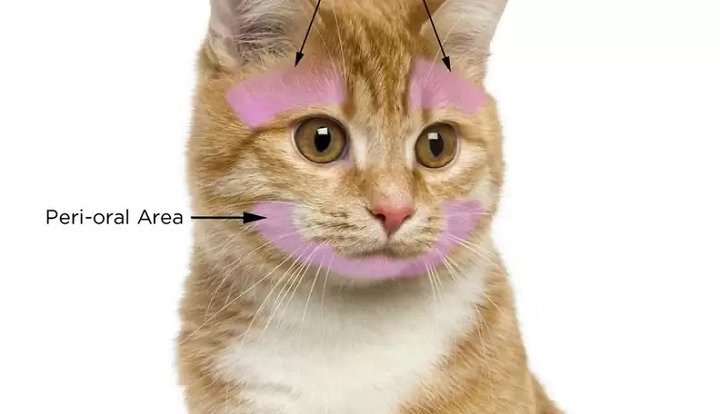
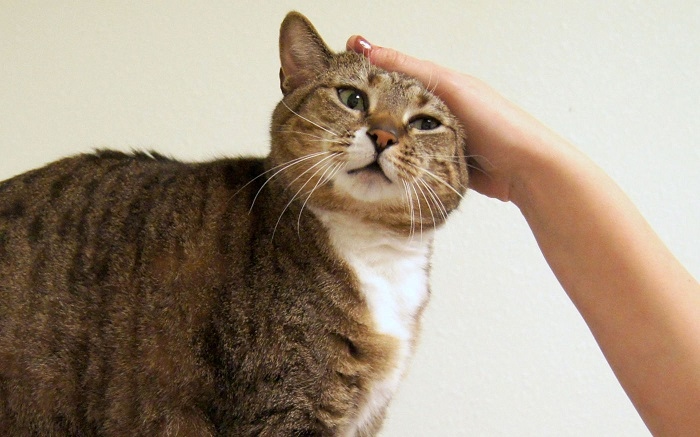
Many cats like their heads and ears lightly rubbed. Petting these frequently more sensitive areas can be fun since it resembles grooming actions. To show they want extra attention in certain places, cats may prod their head into your hand.
Shoulders and the Back
Another place most cats appreciate being caressed is petting along their back, particularly around their shoulders. Be aware, though, of how your cat reacts to caressing their spine. Pay close attention to a cat’s body language since some of them could object to being touched around their tail or lower back.
The Chin and the Cheeks
Certain cats also enjoy having their cheeks and chin stroked. Scratch these rich scent gland locations to help your cat feel more calm and safe. Petting these places helps cats to identify their territory by rubbing their face on furniture or people, therefore strengthening their trust and love toward you.
For a range of reasons—from emotional bonding and stress release to bodily comfort and warmth—cats like being pet. Knowing why your cat enjoys being pet can enable you to establish closer relationship with your pet. Learning their preferences and body language can help you to make sure your cat feels valued and cherished. In the end, touching your cat not only deepens your bond with each other but also provides several advantages for their general health.
From emotional comfort to sensory stimulation, find out why cats adore being pet and how you could use gentle affection to deepen your relationship with your cat buddy.
FAQs
Why do head petting of cats appeal to them?
Cats feel comfortable and cherished when they are pet on the head since it replicates grooming activities.
Could caressing a cat assist it to relax?
Indeed, by releasing relaxing hormones, petting can help cats reduce tension and anxiety.
Should I find out whether my cat is pet-seeking?
Your cat may be showing signs of affection including rubbing against you, purring, and attention-seeking.
Are all animals prefer to be pet?
Not every cat finds pleasure in being pet. Every cat has preferences; some might be more self-sufficient than others.
How ought one to treat a cat?
Starting with areas like the head, ears, or back, softly and properly pet a cat while noting their body language.