

Tabby cats are cherished for their unique and eye-catching coats. Their distinct markings and variety of colors make them one of the most popular. Also recognizable coat patterns in cats. Each tabby has a personality and charm of its own. These cats come in a wide range of colors. Such as the classic warm browns to rarer, cooler tones like silver or blue. Tabbies also display different marking patterns. Each adding to their individuality.
Common Tabby Colors and Their Unique Appeal
Tabby colors are a result of genetics. Each shade and pattern is determined by specific genes. Here are the main color variations you’ll see in tabby cats:
Brown Tabby
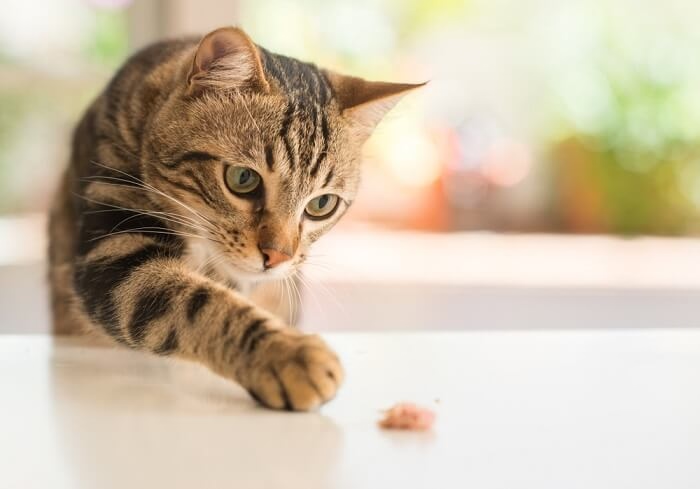
The brown tabby is one of the most recognizable. Also it is widely seen as tabby color variations. A brown tabby has a warm brown or golden base coat. It also has dark brown or black stripes or spots. This combination creates a bold and earthy look. The classic “M” shape marking prominently displayed on the forehead. Brown tabbies can range from light tans to rich chestnuts. Often with hints of cream or caramel mixed in giving them a wild, natural appearance similar to that of wild cats like the lynx or bobcat.
Gray or Silver Tabby
Silver or gray tabbies have a cool, metallic appearance. With a silvery-gray base coat and darker gray or black markings. Silver tabbies are especially striking. Due to their shimmering, often glossy coats that catch the light beautifully. This color is seen less commonly than the brown tabby, making it particularly sought-after. The cool tones make silver tabbies look sleek and sophisticated, almost as if they’re wearing a coat of steel or pewter. Breeds like the American Shorthair are known for their silver tabby coloring.
Orange Tabby
Orange tabbies, also known as ginger or marmalade tabbies, are easy to spot with their warm, fiery coats. The base color ranges from a light apricot to a deep reddish-orange, with darker red or brown markings. Most orange tabbies are male due to a genetic trait linked to the X chromosome, which is responsible for producing this coloring. This makes female orange tabbies relatively rare and adds to their appeal. The striking orange color of these tabbies is often associated with friendly, affectionate personalities, though each cat has its own unique disposition.
Blue Tabby
Blue tabbies feature a soft, bluish-gray coat with darker gray or slate-colored markings. This color is rarer and gives the tabby an elegant, subtle appearance. Blue tabbies are often found in breeds like the Russian Blue or British Shorthair, where the blue-gray coloration is more common. The muted blue tone, combined with the tabby pattern, creates a delicate yet stunning look that makes blue tabbies highly sought-after by cat enthusiasts. The combination of blue-gray with darker stripes or spots adds a unique depth to their coat.
Also Read: Understanding Pink and Other Colors in Cat Vomit
Cream Tabby
The cream tabby has a light, almost pastel-colored coat, with a soft cream base and pale orange or light tan markings. This coloration is gentler and gives the cat a light, airy appearance that feels delicate and unique. Cream tabbies are less common and often appear in certain cat breeds like the Maine Coon. Their pale coloration gives them a distinct elegance, and their markings can sometimes be faint, adding to the softness of their overall look.
Patched Tabby (Torbie)
Patched tabbies, also known as torbies or tortie tabbies, have patches of different colors mixed with traditional tabby markings. This might include patches of orange, cream, blue, or brown alongside the darker stripes or spots. Patched tabbies are unique because no two are alike; each cat’s patches and tabby markings vary in color and placement. This combination gives them a mosaic-like appearance, creating a one-of-a-kind coat that is fascinating to look at.
Different Tabby Patterns
In addition to color, tabby cats can have various patterns. These patterns are determined by genetics and add another layer of uniqueness to each cat.
- Classic Tabby (Swirled): The classic tabby pattern features bold, swirling patterns that resemble marble. This pattern is less linear and creates beautiful bullseye or butterfly shapes on the cat’s sides. Classic tabbies are sometimes called “blotched tabbies” due to the large, sweeping markings that flow across their coats.
- Mackerel Tabby (Striped): Mackerel tabbies have narrow, vertical stripes running down their sides, giving them a “tiger” appearance. This is one of the most common tabby patterns, and the thin stripes provide a sleek, athletic look to the cat. Mackerel tabbies often have a clear “M” marking on their forehead, enhancing their tabby look.
- Spotted Tabby: Spotted tabbies have small, distinct spots that run along their sides, giving them a leopard-like appearance. The spots can be round, oval, or even rosettes, similar to those seen in wild cats. Spotted tabbies are often found in breeds like the Bengal, where this pattern is highly prized.
- Ticked Tabby (Agouti): Ticked tabbies don’t have traditional stripes or spots. Instead, each hair on the coat has bands of color, creating a “salt-and-pepper” or speckled effect. This pattern gives the coat a shimmering, textured look that is smooth and consistent. Abyssinians are famous for their ticked coats, though other breeds can also have this unique pattern.
Fun Facts About Tabby Cats
- The “M” marking on the forehead of tabby cats is a signature feature of all tabbies, regardless of color or pattern. This marking is sometimes attributed to folklore or religious stories, giving tabbies a mythical or special status.
- Tabby cats are known for their playful, affectionate personalities. While each cat is unique, many tabby owners find their cats to be especially social and curious.
- Tabbies are not a breed; rather, they are a coat pattern and color combination that can appear in nearly any breed, from Maine Coons and Persians to mixed-breed domestic shorthairs.
FAQs About Tabby Cat Colors
What is the most common tabby color?
The brown tabby is the most common, featuring a warm tan or brown base with dark stripes or spots.
Are female orange tabbies rare?
Yes, most orange tabbies are male due to genetics. Female orange tabbies are less common, adding to their unique appeal.
Can tabbies be a specific breed?
No, tabby refers to a color pattern rather than a breed. Many breeds, including the American Shorthair, Maine Coon, and Bengal, can have tabby markings.
What makes a blue tabby unique?
Blue tabbies have a soft blue-gray coat with darker gray or blue markings. That giving them a cool, elegant look. Which is less common.
Tabby cats come in an extraordinary variety of colors and patterns. It makes them one of the most visually diverse types of cats. Whether they’re brown, silver, orange, or patched, each tabby’s coat tells a story. Also reflecting the complexity and beauty of feline genetics. With their iconic “M” marking and range of color options, tabbies continue to capture the hearts of cat lovers worldwide.