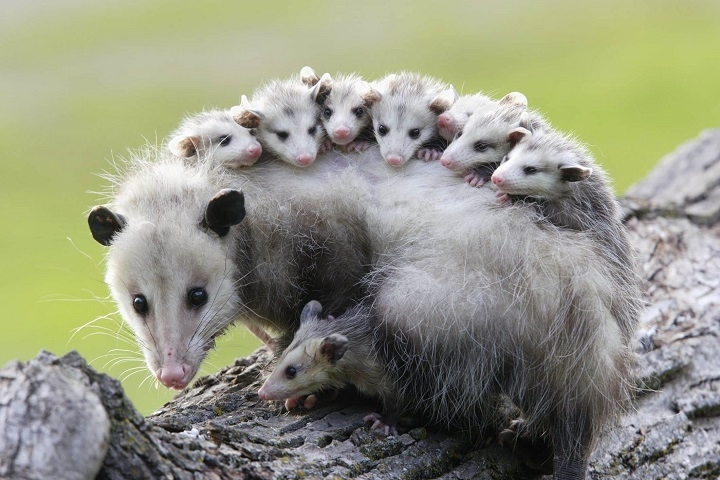
Although they are sometimes misinterpreted animals, possums are interesting pets for the proper owners because of their unusual features. Should you be thinking about keeping a possum as a pet, it’s important to be aware of their particular requirements, habits, and care issues. From their diet and environment to their health and temperament, this page will cover all you need to know about maintaining a possum as a pet.
Describe a Possum
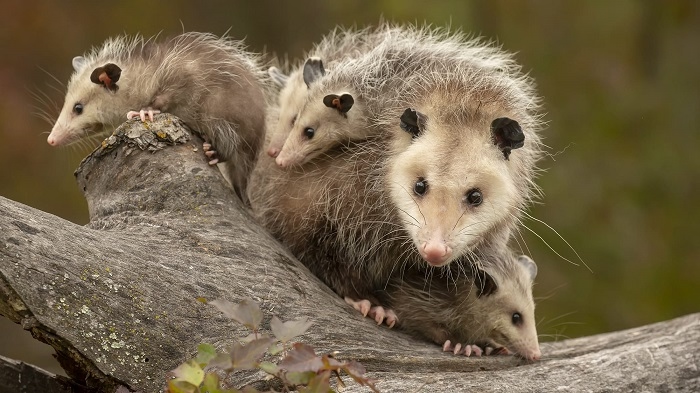
Native to Australia, possums are marsupials sometimes mistaken with opossums. Known for their adaptability to many surroundings, they are nocturnal. Although opossums are more often seen in North America, possums in Australia and surrounding areas have comparable characteristics and behaviors. Although these animals are recognized for their inquisitive attitude and capacity to survive in the wild, given the correct care they may also be unusual and fascinating pets.
Opossum against Possum
Differentiating possums from opossums is crucial before delving into possum care. Their geographic location is the primary distinction: opossums are native to North America while possums are located in Australia. These two creatures have different families within the marsupial group even if their look is similar.
Are Possums Ideal Pets?
For those ready for the responsibility, possums can be good pets. They are not perfect for everyone though. To make sure they flourish in a household setting, they need particular attention and care. Independent, nocturnal animals requiring lots of room and enrichment, possums are well-known.
The Pros of Owning a Possum as a Pet
- Low Maintenance: Keeping a possum is advantageous because they require minimal maintenance compared to other exotic animals. Though they do need a suitable environment, they do not require continual attention or upkeep.
- Quiet: Possums are quiet at night since they are nocturnal animals, which qualifies for homes that prefer peaceful pets.
- Affectionate: Though they are not cuddly in the conventional sense, some possums can form bonds with their owners and enjoy interaction.
The Drawbacks of Owning a Possum as a Pet
- Specific Diet: Possums have particular nutritional requirements that must be satisfied if they are to remain healthy.
- Nocturnal Nature: Their nocturnal nature makes them most active at night, which might cause disturbance of sleep for their owners.
- Legal Conventions: Your location may make it illegal to keep a possum as a pet without specific licenses.
Taking Care of a Possum for a Pet
Taking care of a possum calls for a suitable nutrition, habitat, and medical treatment. Let’s dissect these fundamental components of possum care.
Eating
Omnivorous and with a diet comprising both plant and animal stuff, possums’ diet in the wild consists of fruits, insects, small animals, and plants, among other items. Their diet should consist of when maintained as pets:
- Along with vegetables like carrots, sweet potatoes, and spinach, possums like fruits including apples, grapes, and berries.
- Protein is also needed, and it can come from eggs, insects, or even tiny amounts of cooked chicken or turkey.
- Possums may need vitamin and mineral supplements, especially calcium, to guarantee a balanced diet and avoid bone problems.
Habitat
The welfare of a possum depends on the correct surroundings. They dwell in trees, burrows, or dens in the wild, hence reproducing these natural surroundings at home is crucial. You will want a sizable cage or enclosure with vertical and horizontal area for climbing.
- Size: The cage should be three feet wide and at least four feet long, with a high roof for climbing.
- Climbing Opportunities: Possums enjoy climbing, hence incorporate branches, ropes, or other climbing gear.
- Temperature: Maintaining a range of 65 to 75°F (18 to 24°C) will help possums feel comfortable.
- Bedding: Use soft bedding such as hay or shredded paper to make their environment cozy.
Welfare and Veterinary Treatment
Possums need routine health check-ups, much like any other pet. Their health depends on an unusual animal or marsupial specialist veterinarian. Typical health problems in possums consist of:
- Obesity: Possums are opportunistic eaters, so improper diet can lead to obesity.
- Parasites: Regular veterinarian appointments for check-ups and treatments are absolutely vital since both internal and external parasites can strike.
- Dental Problems: Possums should have their teeth checked often to make sure they are not experiencing dental problems such as tooth rot.
Possum Socialisation and Behaviour
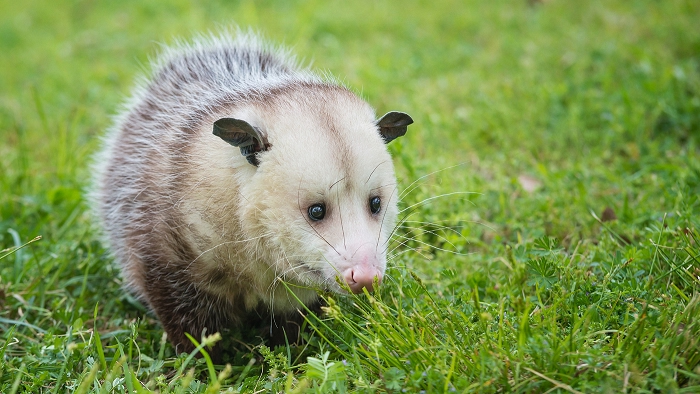
In the wild particularly, possums are usually solitary animals. On the other hand, when kept as pets, they can grow used to human contact and develop relationships with their owners. The following offers some understanding of possum behavior:
Night Nature
Possums, being nocturnal creatures, are most active at night. This implies they might not interact with their owners during the daytime, so those who are comfortable with having a nighttime friend should choose this pet. To sleep throughout the day, you should make sure they have a quiet and dark surroundings, nevertheless.
Sociability
Possums are not especially gregarious creatures. Although they might not appreciate it as much as more domesticated animals, they can endure handling. When they are young, socializing is crucial since it helps them become more at ease with human contact.
Managing
Although possums might not be as cuddly as other animals, careful treatment is crucial. Steer clear of rough treatment since it stresses the animal and triggers defensive actions. Be patient and let your possum come to you at their own speed.
Legal Reevaluations
Check the local legal laws before deciding on a possum as a pet. Maintaining a possum as a pet is banned or needs specific licenses in many locations. To prevent possible legal problems, always check the legislation in your nation or state.
Authorizations and Guidelines
To keep a possum as a pet, you might be obliged in some states or nations to have a wildlife permit. To be sure you are in compliance, find out the local wildlife rules.
Ethical Issues
One should also take ethical issues into account when keeping a possum as a pet. Possums have certain needs as wild creatures that could be challenging to satisfy in captivity. Before you bring one home, always make sure you can offer them a proper surroundings.
FAQs
Are possums friendly pets?
Though they are not as cuddly as other animals like dogs or cats, possums can be sociable and bonded with their owners. Though they would rather remain independent, they can grow accustomed to personal contact.
Should I feed my possum anything?
Possums require a balanced diet with fruits, vegetables, and proteins including cooked meat or insects or other sources. For best health, they might also call for vitamin supplements.
A possum’s cage should be how large?
The cage should be at least 4 feet long, 3 feet broad, with high ceilings to let the possum climb and investigate. Their health depends on vertical space being available.
Can other animals live with possums?
Being solitary animals, possums might not get along with other pets, particularly if they are not reared together. They should be kept in an enclosure separate from other animals.
Does maintaining possums easy?
Though they are rather low-maintenance, possums need a specific diet, environment, and medical attention. For first-time pet owners, they are not ideal; yet, for those ready for the responsibility, they may be fulfilling animals.