

Taking care of your cat’s health is important, and when it comes to treating infections or illnesses, many pet owners look for natural solutions. Natural antibiotics for cats can be a great way to support their immune system and help them fight infections without the use of harsh chemicals. This article explores the best natural antibiotics for cats, their benefits, and how to safely incorporate them into your feline friend’s routine.
Why Consider Natural Antibiotics for Cats?
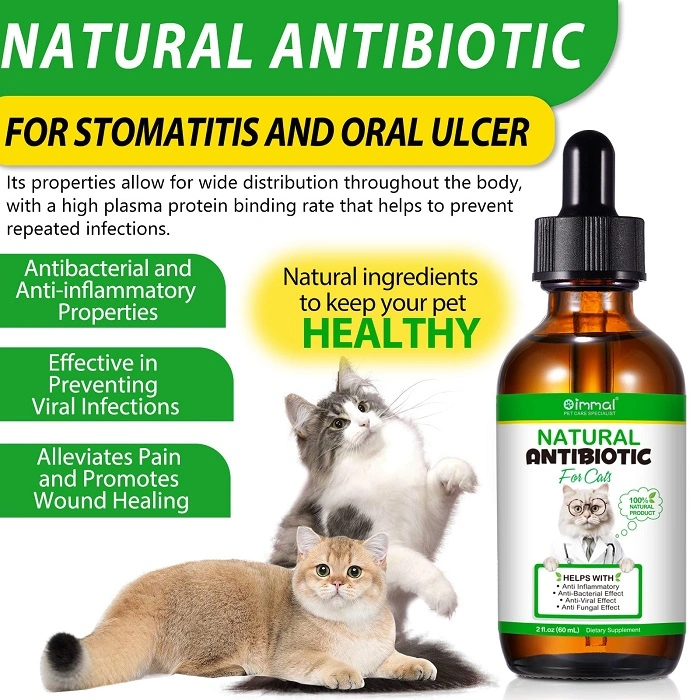
Antibiotics are commonly prescribed to treat bacterial infections in pets, but not all antibiotics are suitable for long-term use due to their potential side effects. Many pet owners are now turning to natural remedies as a safer, gentler alternative. Natural antibiotics are typically derived from plants, herbs, and other natural substances that can offer similar benefits to synthetic antibiotics but without as many side effects.
These natural remedies are beneficial in boosting the immune system, fighting off infections, and promoting overall health. Additionally, they can often be used in conjunction with conventional treatments to enhance the healing process.
Common Natural Antibiotics for Cats
Manuka Honey
Manuka honey is well-known for its antibacterial properties and is often used as a natural remedy for various infections in both humans and animals. It contains methylglyoxal, a compound with potent antimicrobial effects.
Benefits of Manuka Honey for Cats
- Helps treat wounds and burns
- Supports digestion by fighting harmful bacteria in the gut
- Assists in fighting off respiratory infections
To use Manuka honey, simply apply a small amount to wounds or offer it in your cat’s food, but always consult with a veterinarian before introducing it into your cat’s diet.
Garlic
Garlic has long been known for its medicinal properties, including its ability to fight infections. It contains allicin, a powerful compound that has antibacterial, antiviral, and antifungal properties.
Benefits of Garlic for Cats
- Supports the immune system
- Reduces inflammation
- Helps fight off bacterial infections
However, garlic should be used with caution as it can be toxic in high amounts. A small amount (about 1/8 teaspoon) is usually safe for cats, but always consult your vet before using it as a remedy.
Echinacea
Echinacea is a well-known herb used to support the immune system. It is commonly used to treat infections and to boost overall health. Echinacea helps stimulate the production of white blood cells, which are crucial for fighting infections.
Benefits of Echinacea for Cats
- Boosts the immune system
- Helps fight bacterial and viral infections
- Reduces inflammation
Echinacea can be given to cats in the form of tinctures, capsules, or teas. However, it is important to consult with a vet for the appropriate dosage.
Colloidal Silver
Colloidal silver is another natural remedy with strong antibacterial, antifungal, and antiviral properties. It has been used for centuries to treat infections in humans and animals.
Benefits of Colloidal Silver for Cats
- Treats skin infections
- Fights respiratory infections
- Supports the immune system
Colloidal silver can be applied topically to wounds or given orally in small doses. As with all remedies, it is important to use it under the guidance of a veterinarian to avoid overdosing.
Coconut Oil
Coconut oil has antifungal, antibacterial, and antiviral properties, making it an effective natural antibiotic for cats. It can be used both internally and externally to treat a variety of health issues.
Benefits of Coconut Oil for Cats
- Supports the immune system
- Helps with skin infections
- Promotes digestive health
Coconut oil can be applied to your cat’s skin for skin conditions or added to their food for digestive health. However, too much coconut oil can cause digestive upset, so moderation is key.
Apple Cider Vinegar
Apple cider vinegar is an effective remedy for treating infections, especially in the ears or on the skin. It contains acetic acid, which has antibacterial properties that can help combat bacterial infections.
Benefits of Apple Cider Vinegar for Cats
- Treats ear infections
- Helps with skin infections
- Supports the digestive system
To use apple cider vinegar for your cat, dilute it with water before applying it to the affected area. Never give undiluted apple cider vinegar directly to your cat, as it can cause irritation.
Turmeric
Turmeric is a spice with well-documented anti-inflammatory and antibacterial properties. Curcumin, the active compound in turmeric, is known for its ability to fight infections and reduce inflammation.
Benefits of Turmeric for Cats
- Supports the immune system
- Reduces inflammation
- Helps with digestive issues
Turmeric can be mixed into your cat’s food or given as a supplement. It is also beneficial in treating skin infections and promoting overall health.
How to Safely Use Natural Antibiotics for Cats

While natural antibiotics can be effective, they should always be used with care. It is important to follow these guidelines to ensure the safety of your cat:
Consult Your Veterinarian: Always speak to your veterinarian before using any natural antibiotics for your cat. Some herbs and supplements can interact with prescription medications or may not be suitable for certain conditions.
Start with Small Doses: If you are using a natural antibiotic for the first time, start with small doses to monitor your cat for any adverse reactions.
Use Quality Products: Ensure that the natural antibiotic you choose is of high quality and free from harmful additives or contaminants.
Monitor Your Cat’s Health: After introducing a natural antibiotic, keep an eye on your cat’s health. If you notice any unusual symptoms or side effects, discontinue use and consult your vet.
Avoid Overuse: Natural antibiotics should not be overused. Use them only when necessary and for the duration recommended by your veterinarian.
FAQs
Are natural antibiotics safe for cats?
Natural antibiotics can be safe for cats when used correctly and under the guidance of a veterinarian. Always consult your vet before introducing new remedies.
How can I use Manuka honey for my cat?
Manuka honey can be applied topically to wounds or added to your cat’s food. Ensure it is used in moderation and consult your vet before use.
Can garlic be harmful to cats?
Garlic can be toxic to cats in large amounts. Always use it sparingly and consult your vet for proper dosage.
How do I give my cat coconut oil?
Coconut oil can be added to your cat’s food or applied to the skin for conditions like dry skin or fungal infections. Start with small amounts to prevent digestive upset.
Is Echinacea safe for cats?
Echinacea is generally safe for cats in moderate amounts, but it should be given under the guidance of a veterinarian to ensure proper dosing.