
Many pet owners face a common problem: pest infestations. Whether it’s ants in the kitchen, roaches in the bathroom, or flies buzzing around, insect sprays like Raid seem like an easy fix. But here’s the big question: is Raid safe for pets?
If you have dogs, cats, rabbits, birds, or even reptiles, you need to understand how Raid’s ingredients can affect them. This article explains how Raid works, the potential dangers for pets, and how you can protect your animals while keeping your home pest-free.
Understanding How Raid Works
Raid products are designed to kill pests quickly by attacking their nervous systems. Common ingredients include pyrethroids, pyrethrins, and imidacloprid. While these chemicals are generally low-risk for humans when used correctly, they can be far more dangerous for animals, especially smaller pets.
Why Pets Are at Higher Risk
Pets explore their environment by sniffing, licking, and walking on surfaces. That means they’re more likely to ingest or absorb chemical residues left by sprays, foggers, or traps. Dogs might lick floors, cats may walk on treated surfaces and then groom themselves, and birds can breathe in fumes. Even aquarium fish can be affected if sprays contaminate the water.
Is Raid Safe for Pets?
Dogs and Raid Products
For dogs, Raid can cause mild to severe symptoms if they ingest or inhale it. Mild exposure might cause drooling or vomiting, but heavy exposure can lead to tremors, seizures, or even life-threatening reactions. Dogs with underlying health issues or puppies are at even higher risk.
Cats and Raid Safety
Cats are extremely sensitive to many chemicals, especially pyrethrins and pyrethroids. They lack certain liver enzymes needed to break these down, which means even small exposures can be toxic. Cats may develop tremors, excessive drooling, difficulty walking, or seizures after exposure.
Birds, Small Mammals, and Reptiles
Birds have delicate respiratory systems, making them particularly vulnerable to sprays and fumes. Even a small amount of airborne insecticide can cause breathing problems or death. Small mammals like hamsters, guinea pigs, and rabbits can also be affected. Reptiles and fish can suffer if sprays contaminate their enclosures.
Safe Ways to Use Raid Around Pets
While Raid isn’t inherently pet-safe, there are precautions you can take to minimize risk.
Keep Pets Away During Application
Always remove pets from the room before applying Raid. Cover or remove food dishes, water bowls, toys, and bedding. Wait until the spray has fully dried or the treated area has aired out before letting pets back in.
Ventilate the Area
Ensure good ventilation after using sprays or foggers. Open windows and use fans to clear out chemical fumes faster. This reduces the chances of pets inhaling lingering residues.
Store Raid Safely
Keep Raid cans, sprays, and traps locked away in pet-proof cabinets. Curious pets may chew on containers or accidentally puncture them, leading to direct exposure.
Consider Pet-Safe Alternatives
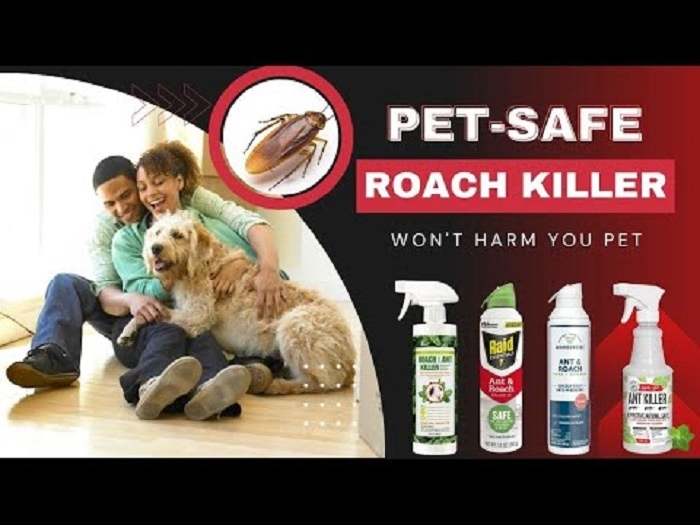
Many brands offer pet-safe pest control options. You can also use non-chemical methods like traps, diatomaceous earth, or natural repellents (like vinegar or essential oil sprays – but check which oils are safe, as some can be toxic to pets).
What To Do If Your Pet Is Exposed
Recognizing Signs of Poisoning
If you suspect your pet has been exposed to Raid, watch for:
- Vomiting or diarrhea
- Excessive drooling
- Tremors or seizures
- Difficulty breathing
- Uncoordinated movements
Immediate Steps
Remove your pet from the treated area. Wash off any chemical residue with mild soap and water (especially for skin or fur contact). Contact your veterinarian or an emergency animal poison hotline immediately. Time is critical in these cases.
Long-Term Risks and Precautions
Cumulative Effects
Repeated small exposures over time can still harm pets. Chemical residues can build up on surfaces like floors, carpets, or furniture. Regular cleaning with pet-safe products helps reduce this risk.
Pet-Specific Factors
Remember, different pets have different sensitivities. What’s safe for a large dog might be dangerous for a cat or a small bird. Always read the label carefully and follow all precautions.
Professional Help
If you’re dealing with a large infestation, consider hiring a pest control service that uses pet-safe methods. Professionals can help ensure your home is treated effectively without endangering your animals.
FAQs About Raid and Pet Safety
Is Raid safe for dogs once dry?
Yes, generally once the product has fully dried and the area is well-ventilated, it’s considered safer for dogs. However, always follow label instructions and keep dogs away during application.
Can cats walk on surfaces treated with Raid?
No, it’s best to wait until treated surfaces are completely dry. Cats may walk on wet surfaces and ingest chemicals while grooming, leading to toxic reactions.
What should I do if my pet licked Raid?
Contact your veterinarian immediately. Provide details like the product used, how much the pet was exposed to, and any symptoms observed. Do not try to induce vomiting without veterinary advice.
Are Raid foggers safe around fish tanks?
No. Raid foggers release chemicals into the air, which can settle into fish tanks and poison aquatic life. Always remove or cover tanks tightly before using foggers.
Are there pet-safe insect sprays available?
Yes, many companies offer pet-safe pest control sprays using natural ingredients. Look for products labeled as non-toxic or specifically designed for pet households.
While Raid is effective at killing pests, it is not inherently pet-safe. The chemicals used in Raid can pose serious health risks to cats, dogs, birds, and other small animals if misused or over-applied. Responsible use, combined with proper precautions and alternatives, is key to keeping both your home and your pets safe.
If you ever have concerns about using chemical pest control products, it’s always wise to consult your veterinarian or look into natural pest control options that minimize risks.