Cats are often described as independent, mysterious, and graceful. However, not everyone shares the same affection for these creatures. In my personal experience, I hate cats for several reasons that go beyond simple preference. While many adore their feline companions, there are undeniable aspects of cat behavior, personality, and lifestyle that make it difficult for people like me to appreciate them fully.
The Aloof Nature of Cats
One of the main reasons I hate cats is because of their aloofness. Unlike dogs that warmly greet you at the door or excitedly wag their tails at your return, cats often act indifferent. Their distant and cold attitude creates a disconnect between pet and owner. This emotional distance makes it hard to form a bond, leaving owners craving more genuine affection.
Lack of Emotional Connection
Cats are often seen as creatures that only show affection when it suits them. Their selective attention and mood swings can be frustrating for those seeking a reliable emotional companion. While many people appreciate a cat’s independence, others find it off-putting and even hurtful.
The Destructive Behavior of Cats
Another reason I hate cats is their tendency to cause destruction around the home. From scratching expensive furniture to knocking over precious items, cats have a reputation for being careless and mischievous. Despite providing scratching posts or toys, many cats still choose inappropriate targets, causing costly damage.
Marking Territory Indoors
Some cats spray or mark their territory inside homes, leading to unpleasant smells that are incredibly hard to eliminate. Even spayed or neutered cats sometimes display territorial behavior, which only adds to the frustration of living with them.
Allergies: A Common Struggle
Allergic reactions are a very practical reason why I hate cats. Cat allergies are widespread, causing sneezing, itchy eyes, runny noses, and even asthma attacks for sensitive individuals. Even short visits to a house with cats can result in lingering allergy symptoms for days. Owning a cat means daily exposure to allergens, significantly affecting the quality of life.
Cat Hair Everywhere
Even for non-allergic people, the sheer amount of cat hair on clothing, furniture, and floors can be overwhelming. No matter how often you clean, cat fur seems to find its way onto everything, making housekeeping an endless task.
Cats’ Predatory Instincts
While some may admire the hunting skills of cats, I hate cats for their often cruel and unnecessary killing of small animals. Outdoor cats are responsible for the deaths of billions of birds, rodents, and reptiles every year. This ecological impact is troubling for anyone concerned about wildlife conservation.
Bringing “Gifts” Indoors
Many cat owners experience their pet proudly delivering dead birds, mice, or insects inside their homes. While it’s a natural instinct for cats, it can be disturbing and unhygienic for the human inhabitants of the house.
Cats Are Unpredictable
Another major reason I hate cats is their unpredictable behavior. A cat can be purring in your lap one minute and scratching your hand the next without warning. Unlike dogs, whose body language is more transparent, cats are harder to read, leading to unprovoked bites or scratches.
Fear of Aggression
The fear that a cat might suddenly turn aggressive makes it difficult to relax around them. Even experienced cat owners admit that cats can sometimes behave erratically, making them less trustworthy companions.
Cats Are High Maintenance
People often think cats are low-maintenance pets compared to dogs, but that’s not entirely true. I hate cats because their litter boxes need constant cleaning, their food and water must be just right, and their health issues can be surprisingly complex. Unlike dogs, who can be trained easily, cats resist changes in routine and can become stressed, leading to even more problems.
Litter Box Woes
Cleaning a litter box is one of the least glamorous tasks of cat ownership. No matter how advanced litter technology becomes, the smell and hassle remain unpleasant daily chores.
Cultural Bias Toward Loving Cats
Sometimes, people who dislike cats face social judgment. Society often glamorizes cat ownership, portraying it as a sign of sophistication or emotional intelligence. However, not liking cats does not mean someone is heartless or cruel. It simply reflects a different set of experiences and expectations from a pet.
Respecting Personal Preferences
Just as some people dislike certain foods or hobbies, it’s okay to admit I hate cats without guilt. Personal preferences shape our lives and relationships, including those with animals.
My Personal Encounters with Cats
My personal experiences further solidify why I hate cats. Over the years, I have encountered numerous cats that were aggressive, unpredictable, and detached. Attempts to bond usually resulted in scratches or cold indifference. These repeated negative experiences contributed to my current feelings toward cats.
Not Every Cat Lover Understands
Often, when expressing that I hate cats, people react with disbelief or even anger. However, it’s essential to acknowledge that not everyone will have a positive connection with every type of pet, and that’s perfectly fine.
Are There Exceptions?
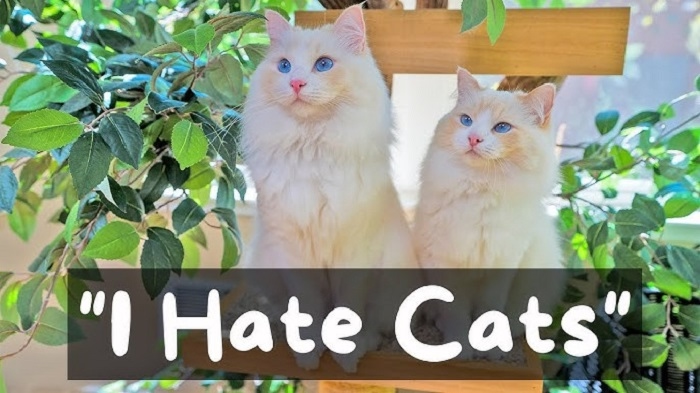
While I generally say I hate cats, I can acknowledge that some cats are sweet, affectionate, and well-behaved. Certain breeds, such as Ragdolls and Maine Coons, are known for their friendly dispositions. Nevertheless, these are exceptions rather than the rule in my experience.
A Different Pet Choice
For companionship, affection, and reliability, dogs, rabbits, and even birds have been much better matches for me. Choosing the right pet matters significantly for one’s happiness and lifestyle.
FAQs About Why I Hate Cats
Is it normal to hate cats?
Yes, just like people have preferences for certain animals, it’s normal not to like cats.
Can someone who hates cats live with one peacefully?
While possible, it often involves setting firm boundaries and managing allergies or behavioral issues carefully.
Are there hypoallergenic cat breeds?
Some breeds like the Siberian and Balinese are considered lower in allergens, but no cat is truly hypoallergenic.
Why do cats act distant?
Cats are naturally independent animals with less social bonding instincts compared to dogs.
Can someone who hates cats learn to like them?
Sometimes, exposure to a particularly affectionate or well-behaved cat can change someone’s perspective, but it’s not guaranteed.
While cats continue to hold a beloved place in many households, it’s important to acknowledge that they are not the right pets for everyone. I hate cats not because they are evil or bad animals, but because their traits — aloofness, destructiveness, unpredictability, and allergy issues — clash deeply with what I seek in a companion. Recognizing these differences helps people choose pets that truly enrich their lives rather than frustrate them.