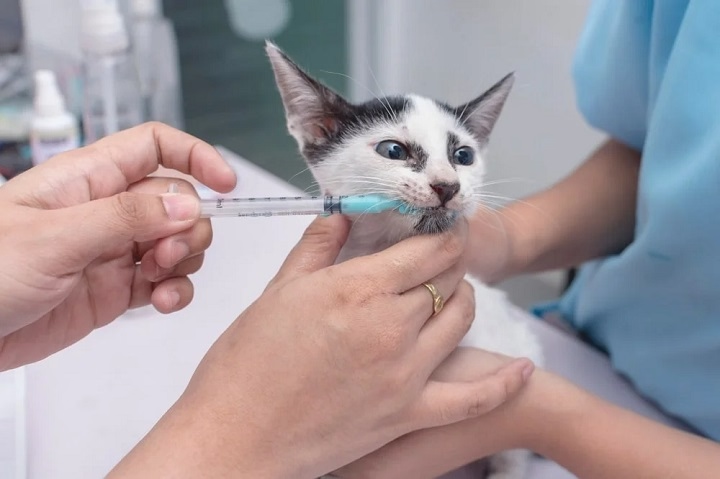
Deworming is a crucial part of maintaining your cat’s overall health and well-being. Parasites such as roundworms, hookworms, tapeworms, and whipworms are common in cats and can cause significant health issues if left untreated. Using a dewormer for cats ensures that your feline friend remains free from these harmful parasites, allowing them to lead a happy and healthy life.
Why Do Cats Need Dewormers?
Cats are natural hunters and curious creatures, which makes them vulnerable to ingesting parasite eggs or larvae from their environment. Dewormers help:
- Eliminate Parasites: Target and remove intestinal worms that may already be present.
- Prevent Reinfestation: Interrupt the life cycle of parasites to avoid recurring infections.
- Protect Health: Reduce the risk of anemia, malnutrition, and other health problems caused by worms.
Types of Worms That Affect Cats
Several types of worms can infect cats, each posing unique challenges:
- Roundworms: The most common intestinal parasites in cats. They can cause vomiting, diarrhea, and weight loss.
- Hookworms: These tiny worms attach to the intestinal lining and feed on blood, leading to anemia and lethargy.
- Tapeworms: Often transmitted through fleas, these worms can cause itching and visible segments in your cat’s feces.
- Whipworms: Less common but still dangerous, whipworms can cause inflammation and discomfort.
How Do Cats Get Worms?
Cats can contract worms in various ways:
- Ingesting Fleas: Fleas carrying tapeworm larvae can infect cats when swallowed during grooming.
- Hunting Prey: Eating infected rodents or birds is a common source of roundworms and tapeworms.
- Contaminated Environment: Worm eggs in soil, water, or litter boxes can infect cats through accidental ingestion.
- Mother-to-Kitten Transmission: Kittens can acquire worms from their mother’s milk.
Symptoms of Worms in Cats
Detecting a worm infestation early is vital. Common symptoms include:
- Weight Loss: Despite a normal appetite, infected cats may lose weight due to nutrient depletion.
- Vomiting and Diarrhea: Worms irritate the digestive system, causing gastrointestinal upset.
- Bloated Abdomen: Particularly in kittens, a swollen belly can indicate roundworm infection.
- Visible Worms: Worms or segments may be seen in the feces, vomit, or around the anus.
- Lethargy: Worms can cause weakness and fatigue by depriving the cat of essential nutrients.
Choosing the Right Dewormer for Cats
Not all dewormers are created equal. It’s essential to choose a product that targets the specific type of worms your cat has. Options include:
- Broad-Spectrum Dewormers: These treat multiple types of worms in one dose.
- Targeted Dewormers: Designed for specific worms, such as tapeworms or roundworms.
Always consult your veterinarian to determine the most suitable dewormer for your cat.
Common Deworming Medications
Some widely used dewormers for cats include:
- Drontal: A broad-spectrum dewormer effective against tapeworms, roundworms, and hookworms.
- Revolution Plus: Combines flea and tick protection with deworming for roundworms and hookworms.
- Panacur (Fenbendazole): Effective for treating giardia and a variety of intestinal worms.
- Cestex (Epsiprantel): Specifically targets tapeworms.
How to Administer Dewormers
Administering dewormers to cats can be challenging, but following these tips can help:
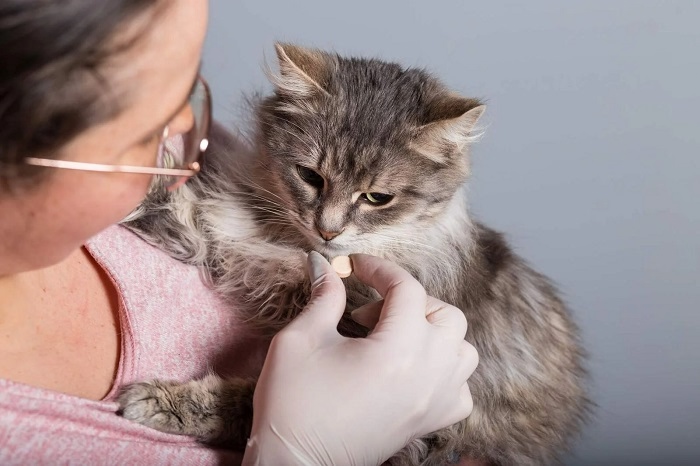
- Pills: Use a pill popper or hide the tablet in a treat or pill pocket.
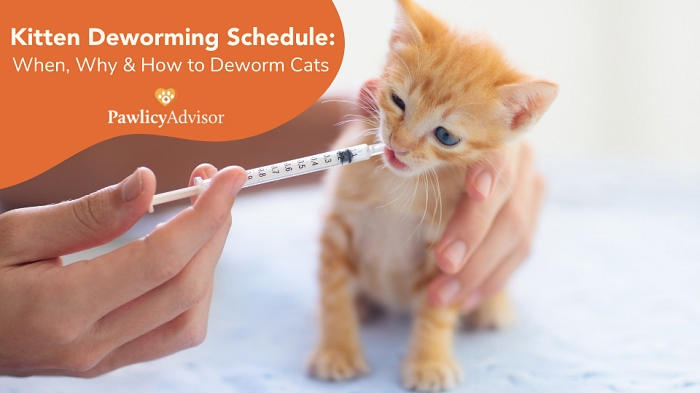
- Liquid Dewormers: Mix the liquid with wet food or administer it directly with a syringe.
- Topical Treatments: Apply the medication to the skin, usually between the shoulder blades.
Ensure you follow the instructions on the product label or those provided by your veterinarian.
Deworming Schedule for Cats
Regular deworming is essential to keep your cat parasite-free:
- Kittens: Start deworming at 2 weeks of age and repeat every 2 weeks until they are 8 weeks old.
- Adult Cats: Deworm every 3 months or as recommended by your veterinarian.
- Outdoor Cats: May require more frequent deworming due to increased exposure to parasites.
Side Effects of Dewormers
While dewormers are generally safe, some cats may experience mild side effects:
- Temporary vomiting or diarrhea.
- Loss of appetite.
- Drooling or foaming at the mouth (rare).
If side effects persist or worsen, consult your veterinarian immediately.
Preventing Worm Infestations
In addition to using dewormers, you can take preventive measures to reduce your cat’s risk of infection:
- Flea Control: Use flea prevention products to eliminate a common source of tapeworms.
- Proper Hygiene: Clean litter boxes daily and wash bedding regularly.
- Safe Outdoor Access: Limit your cat’s hunting opportunities to prevent exposure to infected prey.
- Regular Vet Visits: Schedule routine check-ups and fecal examinations to detect parasites early.
Can Humans Get Worms from Cats?
Certain worms, such as roundworms and hookworms, can be transmitted to humans, especially children. Practicing good hygiene, such as washing hands after handling cats or cleaning litter boxes, can minimize the risk of zoonotic infections.
Natural Deworming Alternatives
Some pet owners explore natural remedies to manage worms in cats. While these methods may help in mild cases, they should not replace veterinary-approved treatments. Common natural remedies include:
- Pumpkin Seeds: Contain an amino acid called cucurbitacin, which can paralyze worms.
- Diatomaceous Earth: A natural powder believed to eliminate parasites in the digestive tract.
- Herbal Supplements: Products containing black walnut or wormwood are sometimes used as deworming aids.
Always consult your vet before trying natural remedies.
The Importance of Veterinary Guidance
Deworming is a critical part of your cat’s health care, but it’s important to involve your veterinarian in the process. They can provide accurate diagnoses, recommend the most effective treatments, and monitor your cat’s progress.
Dewormers for cats are essential for protecting your feline from harmful parasites. Regular treatment, combined with preventative measures, ensures your cat remains healthy and happy. By understanding the types of worms, symptoms, and treatment options, you can provide the best care for your furry friend and create a safe environment for them to thrive.