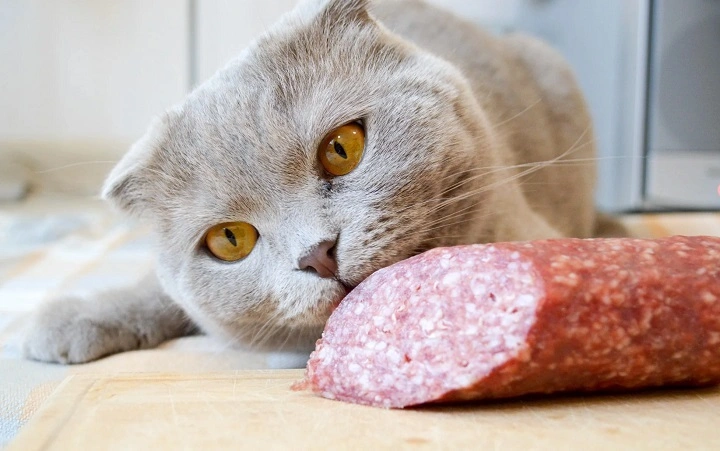
You may have heard the phrase “cats can have a little salami” circulating the internet as a funny meme. While it sounds harmless and cute, it raises real questions for pet owners. Can cats actually eat salami safely? What are the risks and benefits? Understanding the truth behind “cats can have a little salami” helps ensure that your furry friend stays happy and healthy while indulging in the occasional treat.
Where Did the Phrase “Cats Can Have a Little Salami” Come From?
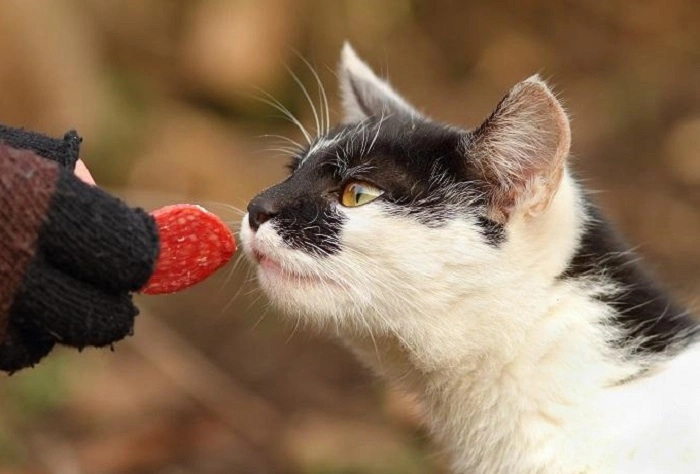
The phrase “cats can have a little salami” gained popularity as a humorous internet meme. It started with a joke suggesting that veterinarians approved small servings of salami for cats. Over time, it evolved into a widespread social media trend, often accompanied by adorable pictures of cats eyeing slices of cured meat.
Humor Meets Reality
While the phrase was meant to be lighthearted, it triggered a genuine discussion among cat owners. Many people began asking if the advice was accurate or just a joke. The question of whether cats can have a little salami became more important than the meme itself.
Is Salami Safe for Cats?
The answer to whether cats can have a little salami is: in very small amounts and only occasionally. While a tiny nibble of salami won’t usually harm your cat, it is not an ideal treat due to several health concerns.
High Sodium Content
Salami is high in sodium, which can be dangerous for cats. A cat’s body cannot handle excessive salt, and even small amounts over time can contribute to dehydration or kidney strain.
Fat and Preservatives
Salami is also rich in fats and often contains preservatives like nitrates, which are not suitable for a cat’s delicate digestive system. Overconsumption can lead to obesity, digestive upset, and other health issues.
When Cats Can Have a Little Salami
If you decide to offer your cat a tiny piece of salami, there are a few important rules to follow to keep it safe.
Only as an Occasional Treat
Cats can have a little salami, but it should never be a regular part of their diet. Limit it to special occasions and ensure the portion is extremely small.
Choose Plain Salami
Some salami varieties contain garlic, onion, or spices, all of which are toxic to cats. If you are offering a taste, make sure the salami is plain, with minimal seasoning.
Monitor for Allergic Reactions
Cats can sometimes react badly even to small amounts of human food. After giving a small bite of salami, observe your cat for signs of vomiting, diarrhea, or lethargy.
Better Alternatives to Salami for Cats
Although cats can have a little salami on rare occasions, it’s better to offer healthier treats that meet their nutritional needs.
Cooked Meat
Plain cooked chicken, turkey, or fish are excellent options for cats. They are high in protein, low in sodium, and free from harmful preservatives.
Commercial Cat Treats
Many brands offer specially formulated treats that satisfy your cat’s cravings while supporting their overall health.
Catnip and Cat Grass
If you want to reward your cat without food, catnip or cat grass provides safe, enjoyable alternatives that promote good health and mental stimulation.
Potential Risks If Cats Have Too Much Salami
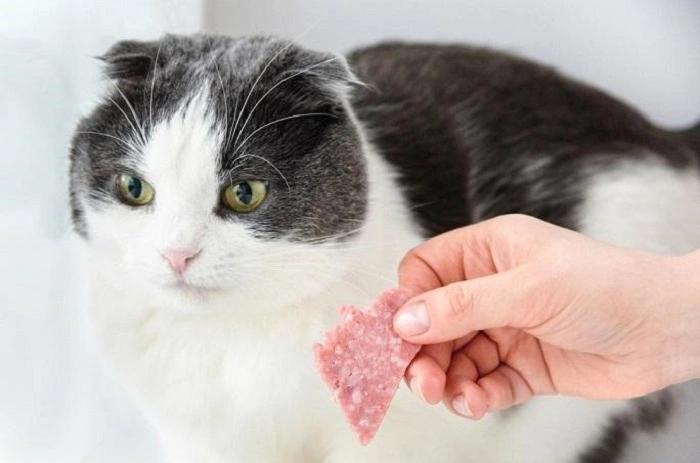
While the phrase “cats can have a little salami” suggests small, occasional servings, problems arise when cats consume too much.
Digestive Problems
High-fat and high-sodium foods can upset a cat’s digestive system, leading to vomiting, diarrhea, or constipation.
Obesity
Salami is calorie-dense. Regular treats can easily add unwanted pounds to your cat, leading to obesity and related health problems like diabetes or arthritis.
Kidney Issues
Excessive salt intake strains the kidneys, especially in older cats. Over time, this can contribute to kidney disease, a common health concern in felines.
How to Offer Salami Safely to Cats
If you still want to join in the fun and give your cat a taste, it’s important to do it carefully.
Proper Serving Size
Cut a piece no larger than the size of your pinky nail. Make sure it’s unseasoned and plain.
Frequency
Limit servings to once a month or less. Treats should never make up more than 10% of your cat’s total diet.
Fresh Water Access
Ensure your cat has plenty of fresh water available to help their system process the salt and fat from the treat.
FAQs About Cats Can Have a Little Salami
Can cats have salami safely?
Cats can have a little salami safely if it’s a rare treat, given in tiny amounts, and free from harmful seasonings like garlic and onion.
What happens if a cat eats too much salami?
Eating too much salami can cause digestive upset, contribute to obesity, and strain a cat’s kidneys due to high fat and salt content.
Are certain types of salami safer for cats?
Plain, unsalted, and minimally processed salami is safer, but no salami is ideal for regular feeding. Always check the ingredients before sharing.
Should kittens have salami?
No, kittens have delicate digestive systems and special dietary needs. They should not be given salami or similar high-fat, high-salt foods.
What are better treat options for cats?
Plain cooked meats like chicken or turkey, commercial cat treats, and catnip are better, healthier options for treating your feline friend.
The internet phrase “cats can have a little salami” might make you smile, but as with many internet trends, a little caution goes a long way. While cats can have a little salami once in a while, it should only be offered as a rare and tiny treat. Always prioritize your cat’s health with proper nutrition, and remember that plenty of healthier, safer treats are available. By making thoughtful choices, you can keep your cat happy, healthy, and ready for many more meme-worthy moments.