
As a cat owner, you may have wondered whether it’s safe to share a sweet treat with your feline friend. Marshmallows, a popular snack among humans, may seem harmless, but can cats eat marshmallows? This article delves into the safety of feeding marshmallows to cats, highlighting the potential risks and exploring alternative snacks for your pet.
What Are Marshmallows Made Of?
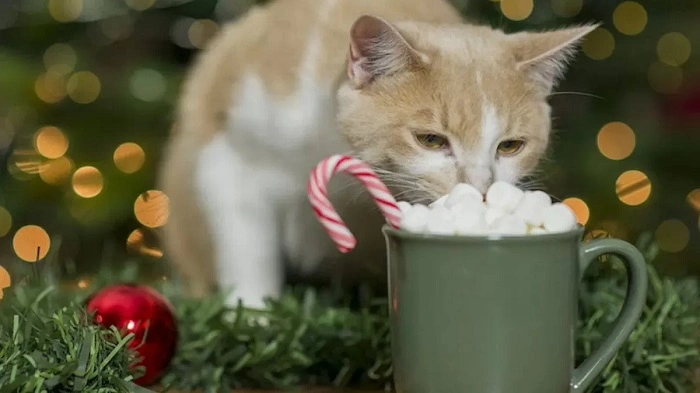
Marshmallows are soft, chewy treats that are often associated with camping trips, hot chocolate, and other sweet indulgences. They are made from sugar, corn syrup, gelatin, air, and sometimes flavorings. The gelatin in marshmallows is derived from animal collagen, but it is not considered toxic to cats. However, it doesn’t necessarily mean marshmallows are a safe food choice for your pet.
Ingredients in Marshmallows
- Sugar: High sugar content is one of the major concerns with marshmallows. Cats, being obligate carnivores, don’t require sugar in their diet, and too much can lead to obesity or diabetes over time.
- Corn Syrup: This ingredient is also high in sugar, contributing to the same risks as sugar.
- Gelatin: While gelatin is not harmful to cats, it provides no nutritional value for them.
- Flavorings: Some marshmallows may contain artificial flavors, which can cause digestive issues in sensitive cats.
Can Cats Eat Marshmallows?
While it may not be deadly, marshmallows should not be a regular part of your cat’s diet. They provide little to no nutritional value and can lead to various health problems if consumed in large quantities. Let’s break down the potential risks of feeding marshmallows to cats.
The Risks of Marshmallows for Cats
High Sugar Content
Marshmallows are packed with sugar, a substance that cats do not need in their diet. Cats lack the taste receptors for sweetness and don’t derive any benefit from sugary foods. Over time, the excessive sugar intake can contribute to obesity, insulin resistance, and diabetes.
Risk of Obesity
Obesity is a growing concern for cats, and a diet high in sugary treats like marshmallows can increase the risk. Cats that are overweight are at a higher risk for developing other health issues, such as joint problems, heart disease, and a shorter lifespan.
Digestive Issues
Marshmallows are not easily digestible for cats. Cats have a specialized digestive system designed for processing meat and proteins, not sugary or carbohydrate-heavy foods. Feeding them marshmallows could lead to gastrointestinal issues such as vomiting, diarrhea, or bloating.
Choking Hazard
Marshmallows have a soft, chewy texture, but they are still a potential choking hazard, especially if your cat doesn’t chew properly. Larger pieces of marshmallow could get stuck in their throat, causing discomfort or even asphyxiation.
Artificial Sweeteners
Some marshmallows may contain artificial sweeteners like xylitol, which is highly toxic to cats. Even small amounts of xylitol can lead to liver failure, hypoglycemia, and seizures. Therefore, it’s crucial to read the ingredients carefully before offering marshmallows to your cat.
What Happens if a Cat Eats Marshmallows?
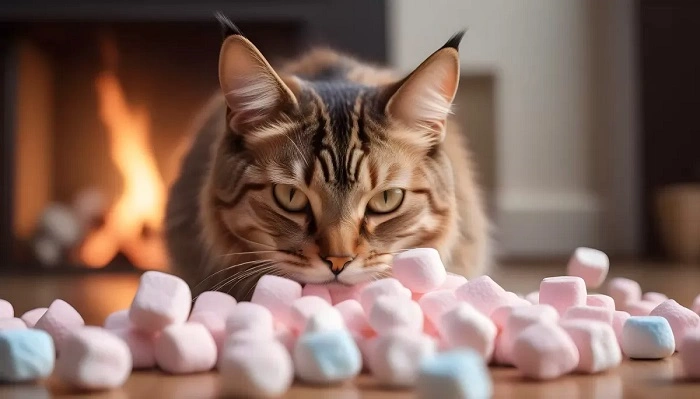
If your cat consumes a small amount of marshmallow, it’s unlikely to cause immediate harm, but it’s not something you should encourage. If your cat eats a large amount, they may experience digestive upset or discomfort. Keep an eye out for signs like vomiting, diarrhea, lethargy, or difficulty breathing. If any of these symptoms occur, contact your veterinarian immediately.
Safe Alternatives to Marshmallows for Cats
Instead of offering marshmallows, there are safer treats that are both tasty and beneficial for your cat. Here are a few options:
Catnip
Catnip is a safe and natural treat that many cats enjoy. It stimulates your cat’s senses and provides them with a fun, engaging experience. It’s also harmless, making it an ideal alternative to marshmallows.
Commercial Cat Treats
There are a wide variety of commercially available cat treats that are formulated to be safe and nutritious for your pet. Look for ones that contain high-quality protein, vitamins, and minerals, rather than fillers or artificial ingredients.
Cooked Meat
Cats love protein, so offering small pieces of cooked meat such as chicken, turkey, or beef is a great way to treat them. Always ensure the meat is boneless and free of any seasoning, as certain spices can be harmful to cats.
Pumpkin
Pumpkin is not only safe for cats, but it can also help with digestive health. The fiber in pumpkin can aid in regulating your cat’s bowel movements and is often used to treat constipation or diarrhea.
Cheese
While some cats may be lactose intolerant, small amounts of cheese can serve as a tasty treat. Choose cheese varieties with low fat and avoid feeding your cat too much to prevent digestive upset.
How to Safely Treat Your Cat
Treats should only be given in moderation and should never replace a balanced, nutritionally complete diet. It’s essential to keep the following guidelines in mind when giving your cat any treats:
- Limit the Number of Treats: Treats should make up no more than 10% of your cat’s daily caloric intake.
- Avoid Toxic Ingredients: Always ensure that the treats you offer are free from harmful ingredients like onions, garlic, chocolate, and artificial sweeteners.
- Portion Control: Keep treats in small, bite-sized portions to prevent overfeeding and reduce the risk of choking.
FAQs
Can Marshmallows Hurt My Cat?
Marshmallows are not toxic but are not a healthy snack for cats. They can cause digestive issues, obesity, and other health problems due to their high sugar content.
What Happens if My Cat Eats Too Many Marshmallows?
If your cat consumes too many marshmallows, they could experience digestive upset, including vomiting, diarrhea, and bloating. Over time, it can also contribute to obesity and diabetes.
Can I Give My Cat Sugar-Free Marshmallows?
No, you should avoid sugar-free marshmallows as they often contain artificial sweeteners like xylitol, which is toxic to cats.
Are Marshmallows Safe for Kittens?
Kittens have more sensitive digestive systems, so it’s best to avoid feeding them marshmallows. Stick to kitten-safe food and treats that provide proper nutrition.
What Are Some Safe Treats for Cats?
Safe treats for cats include catnip, small pieces of cooked meat, commercial cat treats, and pumpkin. Always choose treats designed specifically for cats to ensure their safety.