

Goldfish crackers are a popular snack loved by both kids and adults—but what if your cat steals a bite? You might be wondering, can cats eat Goldfish crackers? While your feline friend may be curious about that cheesy, crunchy treat, Goldfish crackers are not a healthy or safe snack for cats.
This guide explores the ingredients in Goldfish crackers, why they’re not suitable for cats, what to do if your cat eats one, and healthier alternatives for feline snacking.
Are Goldfish Crackers Safe for Cats?
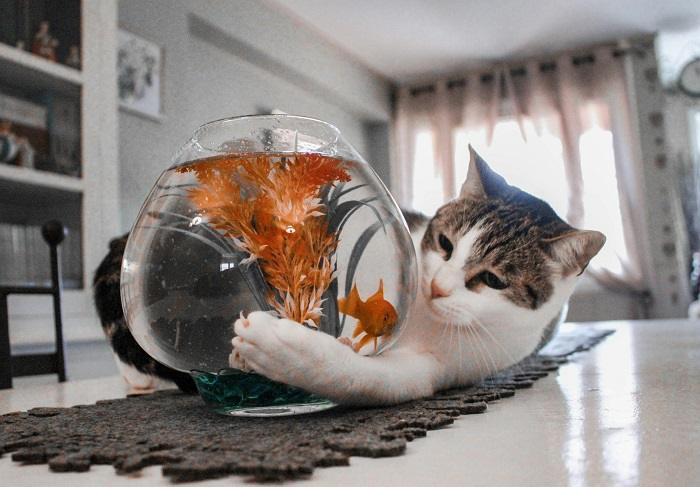
Goldfish crackers are not toxic to cats in small amounts, but they’re not a good or recommended treat either. While one or two crackers likely won’t cause serious harm, feeding them regularly or in large quantities can lead to health problems.
Goldfish crackers contain ingredients that are unnecessary and even harmful to a cat’s health, including:
- Salt
- Cheese powder
- Onion powder (in some varieties)
- Artificial flavors and colors
- Enriched flour (refined carbohydrates)
Cats are obligate carnivores, which means they require meat-based diets and do not benefit from processed carbs, dairy, or additives.
Why Goldfish Crackers Are Not Good for Cats
High in Sodium
Salt is one of the main ingredients that makes Goldfish crackers taste good to humans—but it’s dangerous for cats in large amounts. Cats have a very low tolerance for sodium, and consuming salty foods can lead to:
- Dehydration
- Increased thirst
- Vomiting
- Lethargy
- In severe cases, sodium ion poisoning
A few crackers may not contain enough salt to be toxic, but over time, even small amounts can add up.
Contains Dairy (Cheese)
Goldfish crackers get their flavor from cheese, which is dairy-based. Many adult cats are lactose intolerant and may experience digestive issues when consuming cheese products, such as:
- Diarrhea
- Upset stomach
- Gas or bloating
While not toxic, dairy is not an ideal ingredient in a cat’s diet.
Refined Carbohydrates
Cats have no nutritional need for carbs like enriched flour. Their bodies are not designed to digest or utilize carbohydrates efficiently. High-carb foods can contribute to:
- Weight gain
- Diabetes risk
- Energy imbalances
Goldfish crackers are full of empty calories that offer no benefit to a cat’s health.
Possible Harmful Additives
Some versions of Goldfish crackers may include onion powder, garlic powder, or spices. Onion and garlic are toxic to cats, even in small quantities. These ingredients can cause damage to red blood cells, leading to anemia.
Always check the label before assuming a product is safe—even small amounts of harmful ingredients can build up over time.
What If My Cat Ate a Goldfish Cracker?
If your cat managed to eat a single Goldfish cracker, there’s no need to panic. It’s unlikely to cause any immediate health issues. However, it’s still important to:
- Monitor your cat for the next 24 hours
- Watch for signs of digestive upset (vomiting, diarrhea, loss of appetite)
- Keep crackers and salty snacks out of reach in the future
If your cat eats a large amount, or if the crackers contained onion, garlic, or other toxic ingredients, contact your veterinarian right away.
Can Kittens Eat Goldfish Crackers?
No, kittens should not eat Goldfish crackers. Their digestive systems are more sensitive than adult cats, and they have even more specific nutritional needs for growth and development. Feeding kittens human snacks can lead to stomach upset, poor nutrition, and unhealthy eating habits.
Why Cats May Be Attracted to Goldfish Crackers
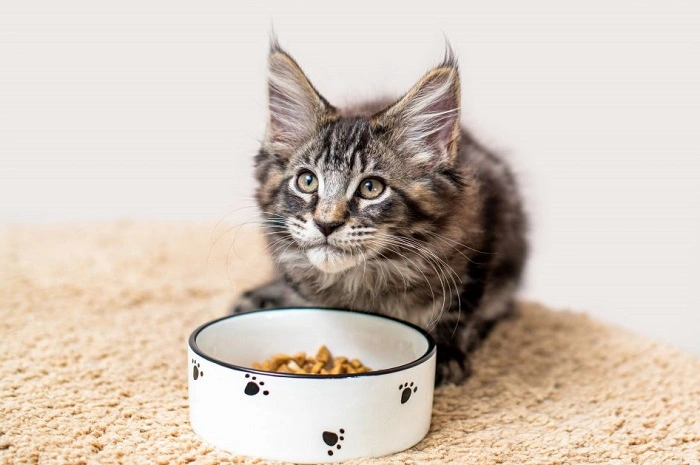
Cats are naturally curious and often intrigued by crunchy textures, strong smells, or things their humans are eating. The salty, cheesy scent of Goldfish crackers can be enticing, even though they hold no real nutritional value for cats.
If your cat frequently tries to steal snacks, it’s a good idea to redirect them with treats that are designed for feline digestion and health.
Healthier Alternatives to Goldfish Crackers for Cats
If you’re tempted to share snacks with your cat, try these safer and healthier alternatives instead:
Cooked Chicken or Turkey
Plain, boneless, unseasoned meat is high in protein and great for cats. Offer small bits as a treat.
Freeze-Dried Cat Treats
Look for single-ingredient treats made from salmon, chicken, or liver. These are made specifically for cats and free of harmful additives.
Catnip or Cat Grass
Non-food treats like catnip or grass can satisfy your cat’s cravings for fun without the dietary risks.
Canned Tuna in Water (Occasional)
Tuna can be a nice treat once in a while, but avoid tuna packed in oil or with added salt. Always use small portions.
Commercial Cat Snacks
Choose vet-approved treats that list real meat as the main ingredient and avoid treats with excessive carbs, sugar, or artificial flavors.
How to Prevent Your Cat from Eating Human Snacks
- Keep food in sealed containers or out of reach
- Don’t feed from your plate—even as a “one-time” treat
- Educate family members and children not to give cats human food
- Offer your cat their own special treats during snack time
- Use feeding toys or puzzles to keep your cat entertained and satisfied
FAQs About Cats and Goldfish Crackers
Are Goldfish crackers toxic to cats?
Not immediately toxic, but they contain ingredients that can harm your cat if eaten frequently, such as salt, dairy, and artificial flavors.
Can one Goldfish cracker hurt my cat?
One cracker is unlikely to cause serious harm, but it should not become a regular habit. Monitor your cat afterward just to be safe.
What snacks are safe for cats?
Plain cooked meats, freeze-dried treats, catnip, and cat-safe commercial treats are all good choices. Avoid salty, sugary, or seasoned human snacks.
Can cats eat cheese?
Many cats are lactose intolerant, and cheese can cause digestive issues. A small amount may be tolerated, but it’s best avoided.
What should I do if my cat eats a lot of crackers?
Call your veterinarian, especially if the crackers contain garlic or onion powder, or if your cat starts vomiting, becomes lethargic, or shows signs of distress.