
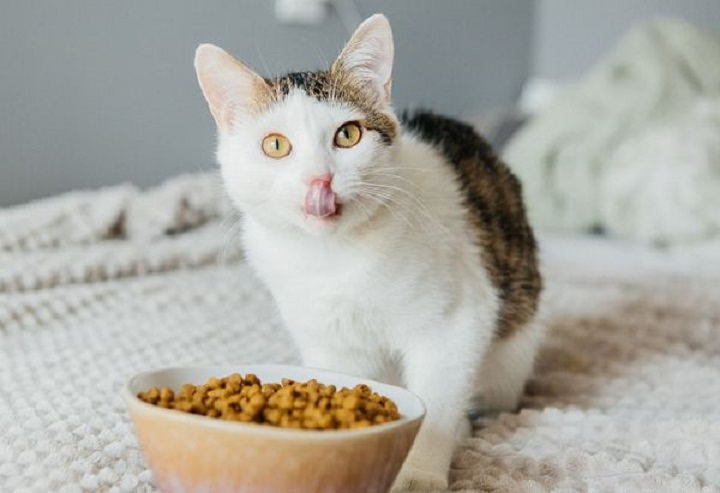
If your cat is experiencing digestive issues like vomiting, diarrhea, or loss of appetite, your veterinarian may recommend a bland diet. A bland diet for cats is designed to give the digestive system a break while still providing essential nutrients and hydration. It is typically short-term and used during recovery from gastrointestinal upset, illness, or after surgery.
Feeding a bland diet can help soothe an irritated stomach and restore normal digestion, but it must be done carefully and correctly.
What Is a Bland Diet for Cats?
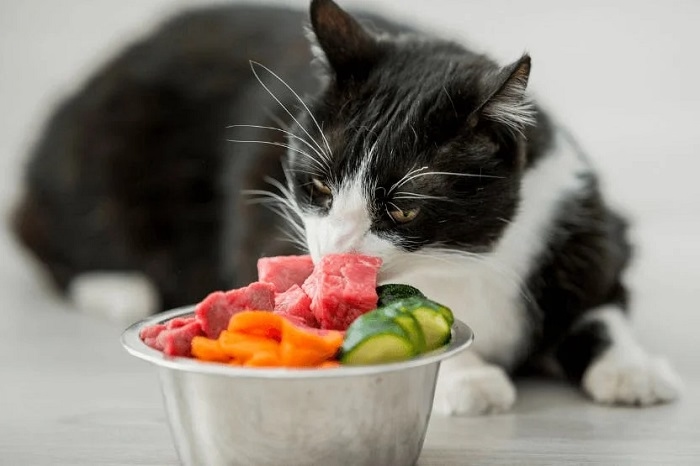
A bland diet consists of easily digestible, low-fat, and low-fiber foods that are gentle on the stomach. It is often composed of one lean protein source and one carbohydrate source, both cooked without any seasoning, oil, or additives.
The goal is to prevent further irritation while ensuring the cat still gets the nutrients needed to maintain energy and hydration.
When to Feed a Bland Diet
A bland diet is commonly recommended for short periods in situations like:
- Acute vomiting or diarrhea
- Recovery from gastrointestinal infections
- Post-operative recovery
- Transitioning from illness to normal food
- After eating something that caused an upset stomach
- Food allergies or intolerances
It should always be given under veterinary guidance, especially if symptoms last longer than 24 to 48 hours.
Symptoms That May Require a Bland Diet
If your cat shows any of the following symptoms, a temporary switch to a bland diet may help, after checking with your vet:
- Mild vomiting
- Loose or watery stools
- Lethargy with no signs of other illness
- Lack of appetite
- Gas or bloating
If your cat is dehydrated, lethargic for more than a day, or showing signs of severe pain, a veterinary examination is needed before changing their diet.
What Foods Can Be Included in a Bland Diet?
The ingredients used in a bland diet should be plain, cooked, and served at room temperature. Common safe ingredients include:
Lean Protein Sources
- Boiled skinless chicken breast
- Plain boiled turkey
- Scrambled egg (in very small amounts)
- White fish such as cod or tilapia (plain, cooked)
Avoid processed meats, raw proteins, or anything with bones, fat, salt, or seasoning.
Carbohydrate Sources
Carbohydrates are not essential in a cat’s long-term diet but may be included in a bland diet for energy and binding. Acceptable options include:
- Plain boiled white rice
- Mashed pumpkin (unsweetened and unspiced)
- Boiled potato (peeled and mashed, in small amounts)
Not all cats tolerate carbs well, so some bland diets consist of just lean protein alone.
Sample Bland Diet Recipe for Cats
Here’s a simple recipe your vet may recommend:
Ingredients:
- 1/2 cup boiled chicken breast (chopped finely)
- 1/4 cup cooked white rice
- Water or unsalted chicken broth for moisture
Instructions:
- Boil chicken breast without salt or oil.
- Boil white rice until very soft.
- Mix in a ratio of 2 parts protein to 1 part rice.
- Add a small amount of water or broth to make it moist and easy to eat.
- Serve small portions several times a day.
Portion size: Start with one to two tablespoons per meal depending on your cat’s size, gradually increasing if tolerated.
How Long Should Cats Be on a Bland Diet?
Most bland diets are fed for 2 to 3 days. If your cat shows improvement, your vet will likely advise transitioning back to their regular food gradually.
Do not feed a bland diet for more than five days unless specifically directed by a veterinarian. It does not provide all the nutrients your cat needs long-term.
Transitioning Back to Regular Food
Once your cat’s symptoms resolve, you’ll need to reintroduce their normal food slowly:
- Day 1: 75% bland diet + 25% regular food
- Day 2: 50% bland diet + 50% regular food
- Day 3: 25% bland diet + 75% regular food
- Day 4: 100% regular food
Monitor your cat during the transition. If symptoms return, consult your vet.
Foods to Avoid in a Bland Diet
Avoid giving your cat the following while they are on a bland diet:
- Dairy products (milk, cheese, cream)
- Seasoned meats
- Processed cat treats
- Canned tuna in oil
- Bones or fatty meat scraps
- Raw food unless advised by a vet
- Commercial cat food during the bland phase (unless prescribed)
These can irritate the digestive system or cause additional upset.
Tips for Feeding a Bland Diet Successfully
- Feed small amounts more frequently (3 to 5 times daily)
- Always offer fresh, clean water
- Use plain, cooked ingredients without any additives
- Warm the food slightly to enhance smell and encourage eating
- Don’t force-feed if your cat refuses—consult your vet
Cats may be picky eaters, especially when unwell. Patience and gentle encouragement are key.
When to Call the Vet
Contact your vet if:
- Vomiting or diarrhea continues beyond 48 hours
- Your cat refuses to eat at all
- There is blood in the stool or vomit
- Symptoms worsen or new symptoms develop
- Weight loss or dehydration is noticeable
Bland diets are not a cure, but a supportive tool. Your vet must still address the underlying cause of illness.
Prescription Bland Diet Options
In some cases, your vet may recommend a commercially prepared bland diet, such as:
- Hill’s Prescription Diet i/d
- Royal Canin Gastrointestinal
- Purina Pro Plan Veterinary Diets EN
These diets are formulated with the right balance of nutrients and designed specifically for sensitive digestion.
Is a Bland Diet the Same for Dogs and Cats?
No. Cats have different nutritional needs than dogs. While some ingredients overlap, like plain boiled chicken or rice, cats are obligate carnivores and require more protein. Avoid feeding your cat dog-specific bland diets or dog food under any circumstances.
Summary
A bland diet for cats can help support digestion during periods of illness or recovery. It includes easily digestible foods like boiled chicken and plain rice and is fed in small, frequent portions. While this approach can soothe a cat’s upset stomach, it should only be used short-term and with veterinary supervision.
Transitioning back to normal food must be gradual, and any persistent symptoms should be evaluated by a vet. With the right approach, a bland diet can help your cat feel better faster and return to normal eating habits safely.
FAQ
Can I feed my cat chicken and rice when they have diarrhea?
Yes, plain boiled chicken and rice can be used short-term for diarrhea, but consult your vet to ensure it’s appropriate.
How long should a cat be on a bland diet?
Most cats stay on a bland diet for 2 to 3 days, with gradual transition back to regular food afterward.
Is pumpkin good in a bland diet for cats?
Yes, plain mashed pumpkin (no spices or sugar) can help regulate digestion and is often included.
Can I use canned tuna for a bland diet?
Tuna in water might be safe occasionally, but it’s not ideal. It’s better to use cooked chicken or turkey.
What if my cat won’t eat the bland food?
Try warming the food slightly or adding a bit of unsalted broth. If your cat still refuses, call your vet.