
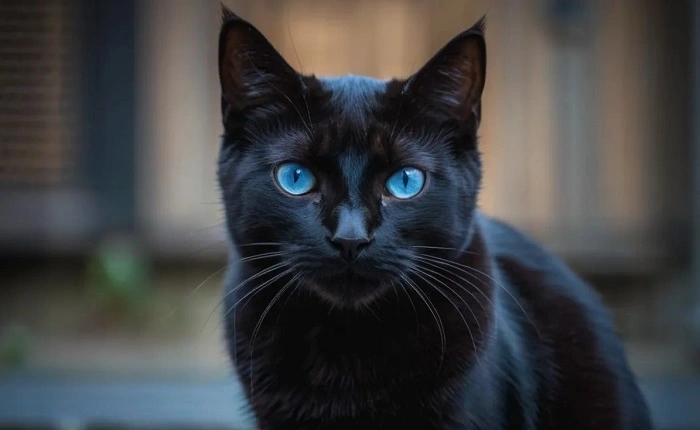
Black cats are often surrounded by mystery, superstition, and a touch of elegance. But black cats with blue eyes? That’s a stunning rarity that turns heads and sparks curiosity among feline lovers. While blue eyes are typical in kittens, seeing this eye color persist into adulthood—especially in a cat with a dark coat—is exceedingly rare and fascinating.
In this article, we’ll explore what causes blue eyes in black cats, whether specific breeds are more prone to this look, potential health considerations, and what you need to know if you’re lucky enough to care for one.
The Genetics Behind Blue Eyes in Black Cats
Understanding Coat and Eye Color Genetics
The black fur of a cat is a result of dominant genes that produce high levels of melanin. Blue eyes, on the other hand, come from a completely different genetic background. In fact, blue-eyed cats lack pigment in their irises; the blue color is a result of how light reflects through the layers of the eye.
Why It’s So Rare
Most black cats will have green, gold, or copper-colored eyes as they mature. Blue eyes typically appear in breeds that carry the gene for colorpoint or are born white. This creates a genetic mismatch—black fur suggests high melanin, while blue eyes suggest low pigment. It’s a beautiful contradiction, which is why it’s rare.
Breeds That Can Have Black Fur and Blue Eyes
Ojos Azules
One of the rarest breeds known for maintaining blue eyes across all coat colors—including black—is the Ojos Azules. However, this breed is incredibly scarce and not widely available.
Siamese Mixes
If a black cat has Siamese ancestry, they may inherit the colorpoint gene and retain their blue eyes even in a black-coated variation. These are not common, but they do exist.
Ragdoll or Himalayan Hybrids
Occasionally, mixed-breed cats with Ragdoll or Himalayan lineage will have a darker coat (appearing black) and maintain blue eyes. This often comes from the temperature-sensitive albinism gene, which keeps the body color dark but retains blue eyes.
Kitten to Adult: Do Blue Eyes Stay?
All Kittens Start With Blue Eyes
It’s important to know that all kittens are born with blue eyes. This is because melanin production hasn’t fully developed yet. Over the next few weeks or months, their eye color will usually change.
Permanent Blue Eyes Are Rare
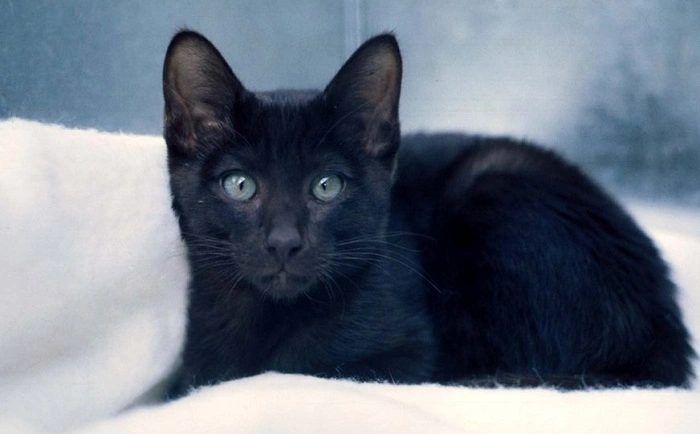
If a black kitten retains its blue eyes past 6 months of age, it may be due to a rare genetic quirk or a specific breed trait. However, this shouldn’t be expected in most domestic black cats.
Are There Health Concerns?
Blue Eyes and Deafness
Cats with white coats and blue eyes are often associated with congenital deafness. However, black cats with blue eyes typically do not share this risk unless they carry the white gene (W).
Vision Concerns
There’s no specific evidence suggesting that blue-eyed black cats have worse vision. As long as the eyes are clear and the cat is behaving normally, there’s no cause for concern.
Personality and Behavior of Blue-Eyed Black Cats
While personality depends more on breed and individual temperament, many owners report their blue-eyed black cats as curious, affectionate, and strikingly alert. The contrast between their dark coat and bright eyes makes their expressions seem more intense, leading to a perception of heightened intelligence or emotional depth.
Taking Care of a Black Cat with Blue Eyes
Sunlight and Eye Sensitivity
Cats with blue eyes can sometimes be more sensitive to bright light. While it’s not usually a medical issue, keeping them indoors during peak sunlight hours can help avoid discomfort.
Grooming Tips
Their black fur is sleek and often short, requiring minimal grooming. However, weekly brushing helps reduce shedding and keeps their coat shiny.
Diet and Nutrition
Eye color doesn’t affect dietary needs, but maintaining a high-protein, balanced diet can enhance both coat and eye health. Omega-3 and taurine are especially helpful for vision support.
Myths and Superstitions Around Black Cats
From Bad Luck to Good Fortune
In Western cultures, black cats were historically associated with witches and bad luck. However, in Japanese and Celtic traditions, they’re considered good luck—especially those with unusual features like blue eyes.
Symbol of Elegance and Mystery
Today, black cats are celebrated for their beauty and mystique. A black cat with piercing blue eyes often becomes a symbol of enchantment and individuality.
Why Do People Love Them?
It’s not just about rarity. Blue eyes in black cats offer a stark, mesmerizing contrast that seems almost otherworldly. They photograph beautifully, exude charisma, and tend to capture the hearts of those who appreciate the unique and uncommon in the animal world.
Things to Consider Before Adopting One
Breeder Reputation
If you’re looking for a black cat with blue eyes, make sure to work with reputable breeders who can confirm the cat’s health and genetic history.
Rescue Options
Sometimes, rare cats end up in shelters. Adopting from a rescue center not only saves a life but may surprise you with a gem of a companion.
Long-Term Commitment
Owning a cat—especially one that might require more attention due to their unique traits—is a long-term responsibility. Ensure you’re prepared for 15+ years of love and care.
FAQs About Black Cats With Blue Eyes
Can black cats naturally have blue eyes?
Yes, but it is extremely rare. Most black cats will develop green or amber eyes, but certain breeds or genetic combinations can result in blue eyes.
Are blue-eyed black cats more expensive?
They can be, especially if they come from a rare breed like Ojos Azules. Mixed breeds with this trait may also cost more due to their uniqueness.
Is it common for a black kitten to have blue eyes?
Yes, all kittens are born with blue eyes. The color usually changes by the time they are 6–7 weeks old.
Do blue-eyed cats have poor eyesight?
Not necessarily. Blue eyes do not automatically mean poor vision, although some may be more sensitive to light.
Are black cats with blue eyes albino?
No. Albino cats typically appear white due to the complete lack of pigment. A black cat with blue eyes has a specific combination of pigmentation genes and is not considered albino.