
Cats are natural-born hunters. Whether it’s a fluttering moth, a sneaky spider, or a crawling cockroach, their instinct is to stalk, pounce, and often—chomp. So if you’ve ever seen your cat zero in on a roach skittering across the kitchen floor, you might be wondering: Do cats eat roaches? And more importantly—is it safe if they do?
In this guide, we’ll uncover whether cats really eat roaches, why they’re drawn to them, the health risks involved, and what to do if your feline catches (or eats) one of these creepy crawlies.
Do Cats Really Eat Roaches?
Yes, Many Cats Do
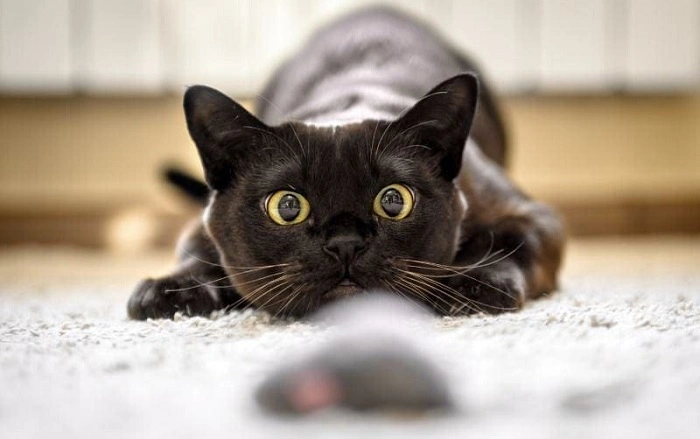
Cats are predators, and their hunting instinct kicks in when they see quick-moving bugs like cockroaches. Most cats will:
- Chase
- Bat around
- Kill
- And sometimes even eat roaches
But not all cats eat their prey. Some kill for fun, others play with their “catch,” and a few will proudly bring it to you as a gift (lucky you!).
It’s More About Instinct Than Hunger
Even well-fed indoor cats may go after roaches. It’s less about being hungry and more about:
- Practicing hunting skills
- Responding to movement
- Natural prey drive
Roaches mimic the movement of small rodents and insects, making them irresistible to many cats.
Is It Safe for Cats to Eat Roaches?
Generally Not Dangerous—but Not Recommended
Eating one roach won’t usually hurt your cat. Cockroaches aren’t toxic by themselves. But there are risks to be aware of:
1. Pesticides and Poisoning
Roaches often crawl through treated areas or consume poisoned bait. If your cat eats a poisoned roach, it may ingest harmful chemicals indirectly.
2. Choking or Blockages
Roaches have hard exoskeletons made of chitin. If not chewed properly, they can cause choking or digestive irritation, especially in small or older cats.
3. Bacterial Exposure
Roaches are filthy insects. They carry bacteria like salmonella and E. coli, which can potentially make your cat sick—especially if it eats multiple bugs or has a sensitive stomach.
4. Parasites
Though rare, cockroaches can carry internal parasites like worms. Ingesting one could introduce unwanted guests to your cat’s digestive system.
What to Do If Your Cat Eats a Roach
1. Don’t Panic
If your cat catches and eats a roach, stay calm. Most cats are fine after eating a bug.
2. Monitor for Symptoms
Watch for:
- Vomiting
- Diarrhea
- Loss of appetite
- Excessive drooling
- Lethargy
If any of these symptoms appear and persist beyond 24 hours, contact your veterinarian.
3. Avoid Chemical Exposure
If you use roach sprays, gels, or bait traps in your home, make sure your cat cannot access them—or the bugs that come into contact with them.
Do Cats Help Control Roaches in the House?
Somewhat—But Don’t Count on It
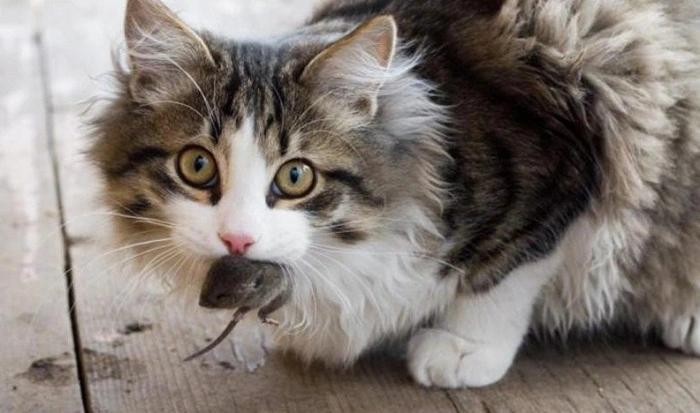
Cats can scare away or kill roaches they come across, but they’re not a replacement for proper pest control. Roaches hide in walls, under appliances, and in dark corners—places your cat may never reach.
Cats are more of a deterrent than a solution. You still need to:
- Seal food containers
- Clean up crumbs
- Take out garbage regularly
- Use safe, pet-friendly pest control methods
Safer Alternatives to Bug Hunting
If your cat loves to hunt but you want to avoid real bugs, try:
- Feather wands
- Toy mice or bugs
- Laser pointers
- Interactive treat-dispensing toys
These options offer the same thrill of the hunt—without the health risks.
Should You Stop Your Cat from Eating Roaches?
Yes, If You Can
While it’s not always possible to stop your cat from catching bugs, it’s a good idea to discourage the behavior. Here’s how:
- Redirect with toys when you see them hunting
- Clean up insects quickly so they’re not available to your cat
- Limit bug access by sealing windows, doors, and crevices
Indoor Cats vs. Outdoor Cats
Outdoor cats are more likely to eat bugs, including roaches, flies, and beetles. They also face higher risks from:
- Pesticides
- Parasites
- Contaminated insects
Indoor cats are less exposed, but still curious if the occasional roach makes its way into the home.
Other Insects Cats Might Eat
Aside from roaches, cats also chase:
- Moths
- Spiders
- Flies
- Crickets
- Beetles
Most are harmless in small amounts but can carry similar risks (especially if they’ve been exposed to insecticides or carry parasites).
When to Call the Vet
If your cat:
- Ate a roach from a recently sprayed area
- Is showing signs of illness
- Vomits persistently
- Becomes lethargic or refuses food
Call your vet for advice. Bring in the product label if pesticides were involved.
FAQ
Can cats eat cockroaches safely?
Occasionally, yes. But it’s not recommended due to potential pesticide exposure, bacteria, and hard shells that can cause discomfort or illness.
Why do cats chase roaches?
It’s a natural hunting instinct. The fast, scurrying movement of roaches triggers your cat’s prey drive.
What happens if my cat eats a poisoned roach?
They may ingest small amounts of toxins. Contact your vet immediately if you suspect roach bait or chemicals were involved.
Do cats keep roaches away?
They can deter some bugs, but they aren’t a reliable pest control method. You’ll still need to clean and seal entry points.
Should I let my cat eat bugs?
No. It’s better to discourage bug-eating and offer safe, interactive toys instead.