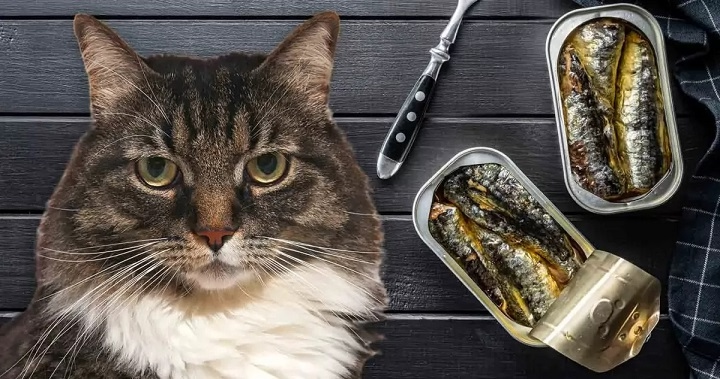
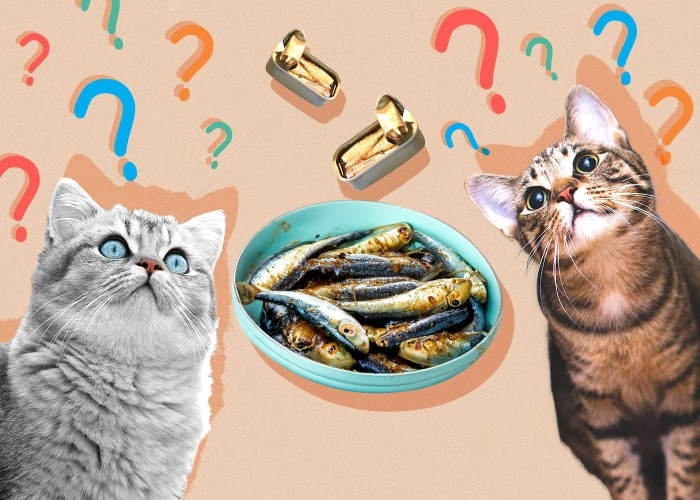
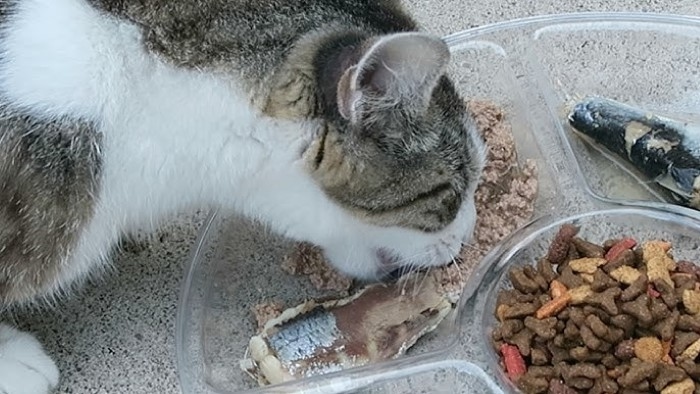
If you’ve ever opened a can of sardines near your cat, you’ve probably seen the intense interest in their eyes. These oily little fish are packed with flavor—and cats seem to instinctively know it. But as a responsible pet parent, you’re probably wondering: Are sardines good for cats?
The short answer is yes—sardines can be a healthy treat for cats when fed properly. They offer plenty of nutritional benefits, but it’s important to serve them in moderation and avoid certain types. Let’s explore the health benefits, potential risks, and best ways to safely feed sardines to cats.
Are Sardines Safe for Cats?
Yes, in Moderation
Sardines are generally safe for cats when:
- Served plain, without added sauces, spices, or oils
- Given in small portions as a treat or supplement
- Not replacing a cat’s balanced diet
They’re high in protein, omega-3 fatty acids, and other nutrients, which can actually benefit your cat’s health.
Avoid Seasoned or Flavored Sardines
Sardines packed in tomato sauce, mustard, hot sauce, or excessive salt are not safe for cats. Stick to:
- Sardines in water
- Fresh or frozen sardines (cooked)
- Sardines packed in their own natural oils (no added salt)
Health Benefits of Sardines for Cats
Rich in Protein
Cats are obligate carnivores and thrive on animal-based protein. Sardines are an excellent source of:
- Lean protein
- Amino acids for muscle maintenance
- Taurine, an essential nutrient for heart and eye health
Omega-3 Fatty Acids
Sardines are loaded with omega-3s, which can:
- Support heart health
- Improve skin and coat condition
- Reduce inflammation (especially in cats with arthritis or joint pain)
- Promote brain development in kittens
Vitamins and Minerals
Sardines are also rich in:
- Vitamin B12
- Vitamin D
- Calcium and phosphorus (from their soft bones)
- Selenium and iodine
These nutrients support immune function, bone strength, and thyroid health.
How to Serve Sardines to Cats
Choose the Right Kind
Look for sardines that are:
- Packed in water, not oil
- Low in sodium
- Free from sauces and spices
- Deboned, especially for kittens or seniors
Fresh vs. Canned Sardines
- Canned sardines are more convenient and shelf-stable
- Fresh sardines should be cooked before feeding (boiled or baked with no seasoning)
Portion Size
Sardines are calorie-dense, so feed in small portions:
- 1/4 to 1/2 sardine for small cats
- 1 full sardine for large cats or occasional treats
- 1–2 times per week, not daily
Too many sardines can lead to weight gain or nutritional imbalance.
Can Kittens Eat Sardines?
Yes—but only in very small, carefully prepared amounts. For kittens:
- Choose boneless, mashed sardines in water
- Avoid feeding sardines as a primary food
- Introduce slowly to watch for any digestive upset
Always consult your vet before adding new foods to a young kitten’s diet.
Risks and Precautions
High Fat Content
Sardines are fatty fish, and too much fat can cause:
- Weight gain
- Pancreatitis
- Digestive issues like diarrhea or vomiting
Always keep sardine treats occasional and controlled.
Mercury Levels
Sardines have lower mercury levels than larger fish like tuna, but overfeeding can still contribute to long-term exposure. Moderation is key.
Bones
Canned sardines typically have soft, edible bones, but fresh sardines must be deboned before feeding. Bones can be a choking hazard or cause internal damage if too sharp or large.
Food Allergies
Some cats may have seafood allergies or sensitivities. Signs of an allergic reaction include:
- Itching
- Vomiting
- Diarrhea
- Skin rashes
Stop feeding sardines if any symptoms appear.
Creative Ways to Serve Sardines
- Mash them into wet food
- Mix with a small amount of rice or pumpkin (if approved by your vet)
- Use as a high-value training treat
- Stuff a little into a puzzle feeder or treat toy
These methods make sardines even more enriching for your cat.
Sardines vs. Tuna for Cats
While tuna is a fan favorite, sardines are often a healthier alternative:
| Feature | Sardines | Tuna |
| Mercury | Low | High |
| Fatty Acids | High Omega-3 | Moderate Omega-3 |
| Protein | Excellent source | High, but often with additives |
| Risk Level | Lower (if plain) | Higher (due to mercury/salt) |
| Cost | Affordable | Usually more expensive |
Signs Your Cat Loves Sardines
If your cat:
- Runs into the kitchen when a can opens
- Licks the bowl clean
- Meows for more after one bite
- Becomes more active and excited at feeding time
you’ve found a new favorite treat! Just be sure to keep portions small and occasional.
FAQ
Can cats eat sardines in olive oil?
It’s not recommended. Oil adds extra fat and calories, and may upset sensitive stomachs.
How often can I feed sardines to my cat?
1–2 times per week is safe for most adult cats when served in moderation.
Are sardines better than tuna for cats?
Yes. Sardines are lower in mercury, often more nutritious, and generally safer when fed properly.
Can I give my cat sardines daily?
No. Daily feeding may cause nutritional imbalance or weight gain. Use sardines as a treat.
Do sardines help with a cat’s coat?
Yes. The omega-3s in sardines can improve skin health and add shine to your cat’s coat.