The Siamese cats in Lady and the Tramp are among the most recognizable animated felines in Disney history. Introduced as playful troublemakers in the 1955 classic film, these characters left a lasting mark on audiences—but not without criticism. Their portrayal has sparked discussions about racial stereotypes, animation style, and the role of cats in media.
So who are these cats, what do they represent, and how have they influenced pop culture over the decades?
Who Are the Siamese Cats in Lady and the Tramp?
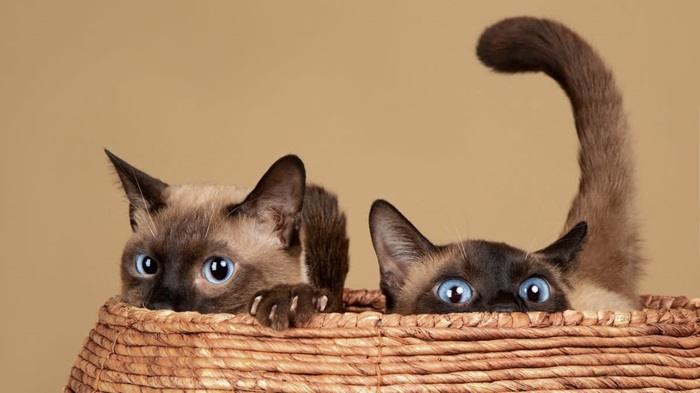
In the original Lady and the Tramp film, the Siamese cats are named Si and Am. They are the pet cats of Aunt Sarah, the relative who comes to take care of Lady while her owners are away. Si and Am appear mischievous, sly, and manipulative. They immediately cause trouble, knocking things over and blaming Lady for their actions.
Their most famous moment comes in the form of a musical number titled “We Are Siamese (If You Please),” which introduces the cats with a catchy, sing-song style and heavy Eastern-influenced melody. The song quickly became one of the most recognizable scenes in the film.
Characteristics of Si and Am
Si and Am are designed with striking visual features typical of Siamese cats: sleek bodies, cream-colored fur, large ears, and bright blue eyes. Their expressions and movements are exaggerated, which emphasizes their role as cunning antagonists in the film.
Their personalities are portrayed as:
- Manipulative
- Deceptive
- Sly
- Agile
- Bonded as a pair, moving in sync
The combination of synchronized movement and exaggerated features gives the impression of a calculated, almost theatrical villainous duo.
The Song “We Are Siamese”: A Memorable but Controversial Tune
The song performed by Si and Am has stuck with viewers for decades. It was catchy, rhythmic, and had a melody that imitated Eastern musical styles. However, over time, many viewers and critics began to examine the deeper implications of the portrayal.
The song and characters have been criticized for:
- Reinforcing racial stereotypes through musical and visual tropes
- Using exaggerated “Asian” features and accents to portray villainy
- Associating foreignness with trickery and disruption
As society’s views on representation evolved, so did the interpretation of this scene.
Controversy and Cultural Backlash
While Si and Am were initially accepted as standard cartoon characters in the 1950s, changing social perspectives have brought scrutiny. Critics argue that the Siamese cats perpetuated harmful Asian stereotypes, especially during a time when the United States had limited understanding of Eastern cultures.
The combination of “foreign-sounding” music, slanted eyes, and speech patterns was seen as a mockery of Asian identity. Many pointed out that using exoticism to villainize characters could negatively shape young viewers’ perspectives.
This criticism reached a point where Lady and the Tramp’s legacy became more complicated. Disney responded in later years by reconsidering how such characters were used in re-releases and adaptations.
The 2019 Live-Action Remake: A Redesign of the Siamese Cats
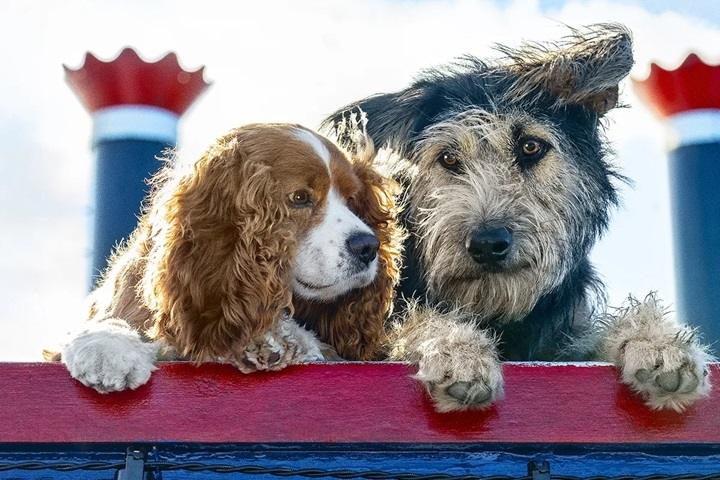
When Disney released the live-action remake of Lady and the Tramp in 2019, the Siamese cats were notably different. Si and Am were renamed and reimagined as Devon and Rex, two mischievous tabby cats with a new musical number.
Notable changes included:
- Removal of the “We Are Siamese” song
- Different cat breeds and physical appearances
- No stereotypical accents or musical cues
- Less focus on racialized behavior
This change was made in response to the original scene’s long-standing controversy. Disney sought to preserve the story while making it more inclusive for a modern audience.
Siamese Cats in Popular Culture
The influence of Si and Am stretched beyond just one film. For decades, Siamese cats became associated with the characteristics seen in Lady and the Tramp. In movies and TV shows, Siamese cats were often cast as mysterious or villainous figures. This trend was partially fueled by their exotic appearance and partly by Disney’s lasting impact.
Shows and films featuring Siamese cats as tricksters or spies include:
- The Aristocats
- That Darn Cat!
- The Simpsons (multiple parody references)
This cultural portrayal contributed to the myth that Siamese cats are mean or devious—something cat lovers know is far from the full truth.
What Are Siamese Cats Really Like?
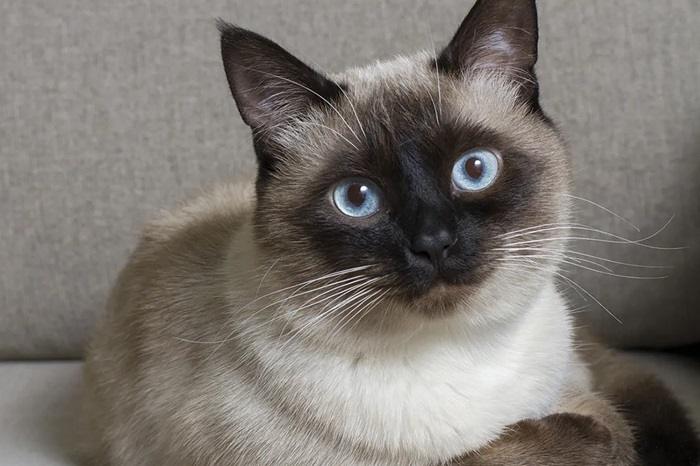
Despite their animated reputation, Siamese cats are beloved for their affectionate and loyal nature. They are one of the most vocal and intelligent breeds, often forming strong bonds with their owners.
Key traits of real Siamese cats include:
- Talkative and expressive behavior
- High intelligence and curiosity
- Strong attachment to human companions
- Elegant appearance and graceful movements
They are playful and loving—not the sinister schemers portrayed in older films.
The Lasting Legacy of Si and Am
Si and Am remain iconic figures in Disney history. Their design, musical number, and synchronized antics left a memorable impression. But they also serve as a reminder of how media shapes cultural perceptions. As audiences become more aware of representation, characters like these encourage us to look deeper at how animation reflects societal values.
Today, Disney continues to evolve its storytelling to reflect greater sensitivity and diversity. The reimagining of Si and Am in the 2019 remake shows that change is possible while keeping the magic of the story alive.
Summary
The Siamese cats in Lady and the Tramp—Si and Am—are famous for their mischievous behavior and catchy musical number. While memorable, their portrayal has drawn criticism over the years for reinforcing racial stereotypes. As society’s understanding of representation has grown, Disney has taken steps to revise such portrayals in modern adaptations.
The real Siamese breed is far more loving and complex than what was shown in the film. Si and Am may be part of animation history, but their legacy has also sparked important conversations about character design, cultural sensitivity, and the evolving nature of storytelling.
FAQ
What are the names of the Siamese cats in Lady and the Tramp?
Their names are Si and Am in the original 1955 animated film.
Why were the Siamese cats changed in the 2019 remake?
Due to longstanding criticism over racial stereotypes, Disney redesigned the characters and replaced their musical number.
Is the “We Are Siamese” song still included in Disney movies?
The original song was removed from the 2019 live-action remake to avoid perpetuating cultural stereotypes.
Are Siamese cats really mean like in the movie?
No. Real Siamese cats are affectionate, vocal, and social. The portrayal in the film is exaggerated for storytelling purposes.
Are the Siamese cats villains in Lady and the Tramp?
They are minor antagonists who cause trouble for Lady, though they are not the main villains of the story.