

Siamese cats are among the most recognizable and beloved breeds in the feline world. Known for their striking blue eyes, elegant bodies, and vocal personalities, these cats make intelligent and affectionate companions. If you’re thinking about bringing one into your home, you might be wondering where to find Siamese cats for adoption and what to expect from the process.
This guide covers everything you need to know—from the breed’s personality traits and care requirements to where and how to adopt a Siamese cat responsibly.
Why Adopt a Siamese Cat?
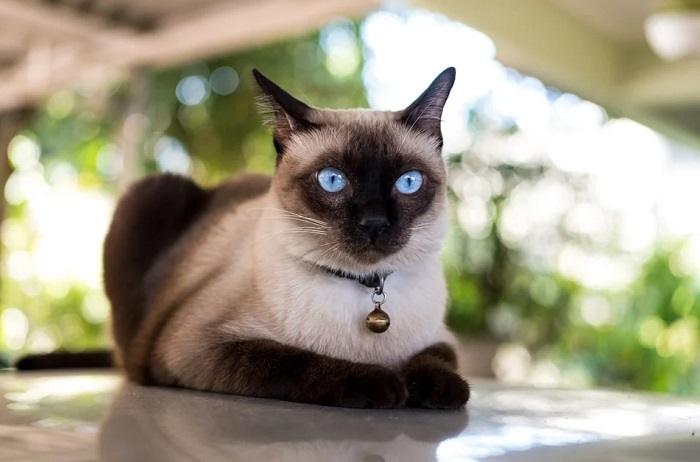
Adopting a Siamese cat is not only a way to bring home a beautiful pet, but it also offers a second chance to a cat in need. Many Siamese cats end up in shelters or rescues through no fault of their own, often because of changes in their previous owner’s living situation, allergies, or misunderstandings about the breed’s needs.
Here’s why Siamese cats make great companions:
- They are social and love human interaction
- They’re known for being highly intelligent and trainable
- Their striking appearance is iconic and eye-catching
- Siamese cats are loyal and often bond deeply with their owners
- Adoption helps reduce the demand for unethical breeding practices
Traits of Siamese Cats
Before you adopt, it’s helpful to know what kind of personality and behavior to expect from a Siamese.
Personality
Siamese cats are known for being:
- Extremely vocal and communicative
- Affectionate and attention-seeking
- Curious, clever, and sometimes mischievous
- Playful and full of energy
They thrive on interaction, and many Siamese cats will follow their humans around the house, talk back when spoken to, and even learn tricks or play fetch.
Physical Characteristics
- Medium-sized, slender build
- Short, fine coat that’s easy to groom
- Blue almond-shaped eyes
- Point coloration (darker face, ears, paws, and tail)
Color points may include seal, blue, chocolate, lilac, and more.
Is a Siamese Cat Right for You?
Because of their intense need for social interaction, Siamese cats are best suited to homes where they won’t be left alone for long periods. If you work long hours or travel often, consider adopting two cats so they can keep each other company.
Siamese cats also do well in households where they can receive plenty of stimulation through toys, climbing trees, puzzle feeders, or play sessions. They may not be the best match for someone looking for a quiet, independent pet.
Where to Find Siamese Cats for Adoption
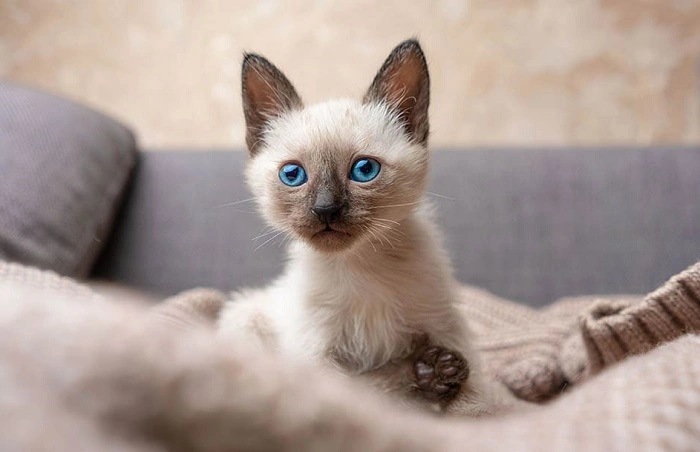
There are many resources to help you find a Siamese cat that’s up for adoption, including shelters, breed-specific rescues, and online databases.
Local Animal Shelters and Humane Societies
Check with your local shelters regularly. While Siamese cats may not always be available, they do occasionally show up in municipal shelters, especially mixes or seniors.
Breed-Specific Rescue Organizations
These rescues specialize in purebred or mixed-breed Siamese cats. They typically operate nationally or regionally and have dedicated foster networks.
Examples include:
- Siamese Rescue (siameserescue.org)
- Southern California Siamese Rescue
- Meezer Rescue Group
- Pacific Siamese Rescue
These organizations often have adoption forms, screening processes, and foster-to-adopt options to ensure a good fit.
Online Pet Adoption Websites
Sites like the following allow you to search specifically for Siamese cats near you:
- Petfinder.com
- Adoptapet.com
- Rescueme.org
Use search filters like breed, age, gender, and distance to find Siamese cats available for adoption in your area.
Adoption Process: What to Expect
Most rescues and shelters have a structured process to ensure their cats go to responsible, loving homes. Here’s what’s typically involved:
- Application: You’ll provide personal information, your home setup, and pet history.
- Interview or Home Check: Some groups may call you or do a virtual or in-person home check.
- Meet-and-Greet: You may visit the cat in person or through a video call.
- Adoption Fee: Usually between $75 and $200. This typically covers vaccinations, microchipping, spaying/neutering, and medical checks.
- Trial Period or Foster-to-Adopt: Some rescues offer a trial period to ensure the cat adjusts well to your home.
Preparing Your Home for a Siamese Cat
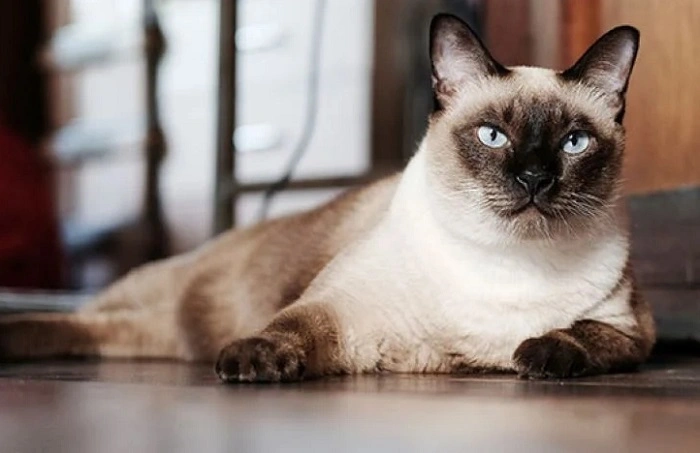
Before bringing your new feline friend home, get the essentials ready:
- Litter box and litter
- High-quality cat food
- Scratching posts and toys
- Cat bed or safe resting area
- Water and food bowls
- Cat tree or climbing shelf
Also, consider securing windows and balconies to prevent accidents. Siamese cats are athletic and curious, so a safe environment is key.
Tips for a Smooth Transition
- Allow your cat to explore one room at a time to avoid overwhelm
- Be patient—adjustment can take days to weeks
- Spend quality time daily through play and petting
- Keep their routine consistent, especially feeding and litter box placement
Adopting a Siamese Mix or Senior Cat
You don’t need to adopt a purebred kitten to experience the joys of having a Siamese. Many Siamese mixes have the same vocal, loving personality and gorgeous blue eyes. Senior Siamese cats can also be wonderful companions, often already trained and with calmer temperaments.
Adopting an older or mixed-breed cat may mean fewer surprises—and more gratitude from a cat that truly needed a home.
FAQs About Siamese Cats for Adoption
Are Siamese cats good with kids and other pets?
Yes, they can be excellent family pets. They’re social and usually adapt well, especially if introduced gradually and respectfully.
How long do Siamese cats live?
With good care, Siamese cats often live 15 to 20 years or more.
Are Siamese cats high maintenance?
They are low maintenance in grooming but high maintenance in attention and interaction needs. They crave companionship and stimulation.
What should I feed a Siamese cat?
Feed high-protein, grain-free cat food. Choose options with real meat as the first ingredient. Always provide freshwater.
Can I adopt a Siamese cat if I live in a small apartment?
Yes, as long as you provide enough toys, climbing areas, and interactive time. They adapt well to indoor living.