
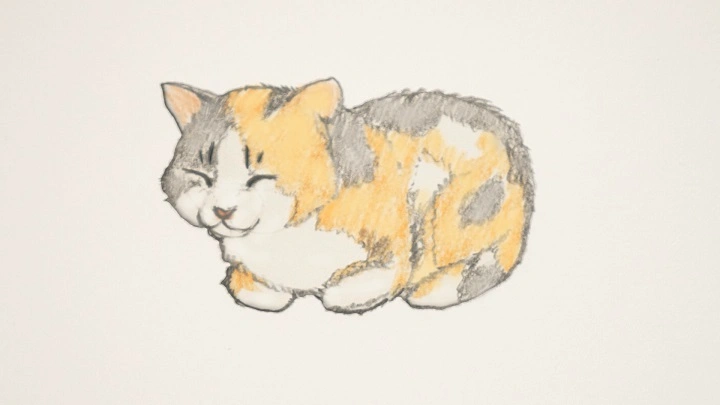
Drawing cats can be an exciting and rewarding endeavor for artists of all skill levels. Whether you’re a beginner or an experienced illustrator, capturing the beauty and unique character of cats can lead to a stunning piece of artwork. In this guide, we’ll explore various techniques, tips, and inspiration for drawing cats. From basic sketches to advanced illustrations, this article will provide you with everything you need to create your own cat drawings.
The Beauty of Cats in Art
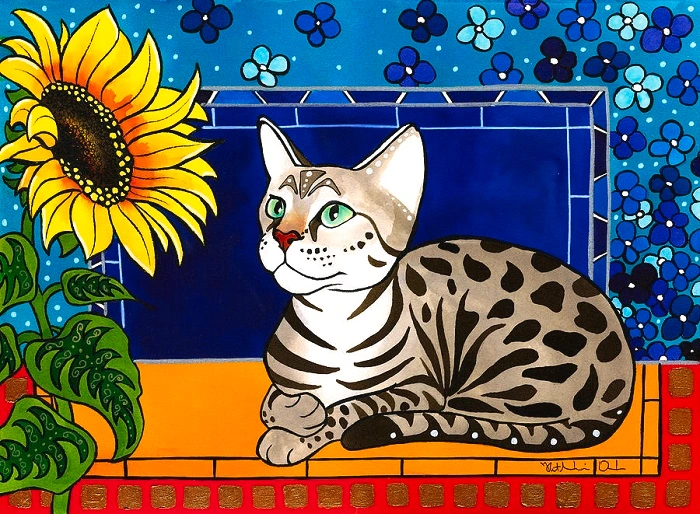
Cats have long been a favorite subject in art due to their grace, mystery, and striking features. Their fluid movements and varied expressions make them an ideal subject for drawing. Whether you’re aiming for realism or a more stylized representation, cats offer endless possibilities for artistic exploration.
Drawing a cat requires understanding its anatomy, fur patterns, and behavior. A good artist can capture the essence of a cat, from the curve of its tail to the gleam in its eyes. But before diving into the drawing process, it’s helpful to know how to approach the subject.
Materials You’ll Need for Drawing Cats
Before you begin, gathering the right materials is essential. Here are a few supplies that will help you achieve the best results when drawing cats:
- Pencils: A set of graphite pencils with varying hardness will allow you to create smooth gradients and precise lines.
- Paper: Choose a quality drawing paper that is thick enough to handle different techniques like shading and blending.
- Eraser: A kneaded eraser is excellent for lightening areas and correcting mistakes.
- Colored Pencils or Markers: If you plan on adding color to your drawing, colored pencils or markers can add vibrant life to your cat artwork.
- Blending Tools: For smoother transitions in shading, blending stumps or a soft cloth will work well.
These basic tools will allow you to create a detailed and high-quality cat drawing.
Step-by-Step Guide to Drawing Cats
Sketching the Basic Shapes
Begin by lightly sketching the basic shapes of the cat’s body. Use circles for the head, torso, and joints. Draw ovals for the body’s overall shape and add lines to mark the position of the limbs and tail. Don’t worry about making perfect shapes; the goal is to map out the cat’s proportions and posture.
Outline the Cat’s Features
Next, start defining the cat’s facial features, such as its ears, eyes, and nose. Cats have wide, expressive eyes that often serve as the focal point of the drawing, so take your time to get their shape and placement correct. Add small details such as whiskers, eyebrows, and a little mouth. The outline of the cat’s body should also be more defined at this point, with the legs, tail, and fur collar taking shape.
Add Fur Texture and Details
One of the most challenging aspects of drawing a cat is capturing the texture of its fur. Depending on the breed, cats have different types of fur, ranging from short and sleek to long and fluffy. Use short, curved strokes to mimic the texture of the fur, keeping in mind the direction of the hair growth. For longer fur, you can add longer, more fluid lines.
Focus on adding subtle details like the shine in the cat’s eyes, the distinct shape of its paws, and the flow of its tail. These elements will bring your drawing to life.
Shading and Highlighting
Shading plays a crucial role in giving depth to your cat drawing. Use your pencils to create light and dark areas on the cat’s body. Focus on the shadows around the limbs, tail, and face. Keep the light source in mind, ensuring that areas of the cat facing the light are lighter, while parts that are further away or covered are darker.
You can use a blending stump or a soft cloth to smooth out the shading. Avoid harsh lines, and try to make the transitions between light and dark areas subtle.
Adding Final Touches
Once you have completed the major parts of your drawing, step back and evaluate it as a whole. Add any small finishing touches such as extra fur details, fine lines around the nose and ears, or subtle highlights in the eyes to make the drawing more dynamic.
Lastly, take a moment to carefully erase any extra guidelines that are no longer needed and tidy up the overall appearance of the piece.
Types of Cat Drawings You Can Try
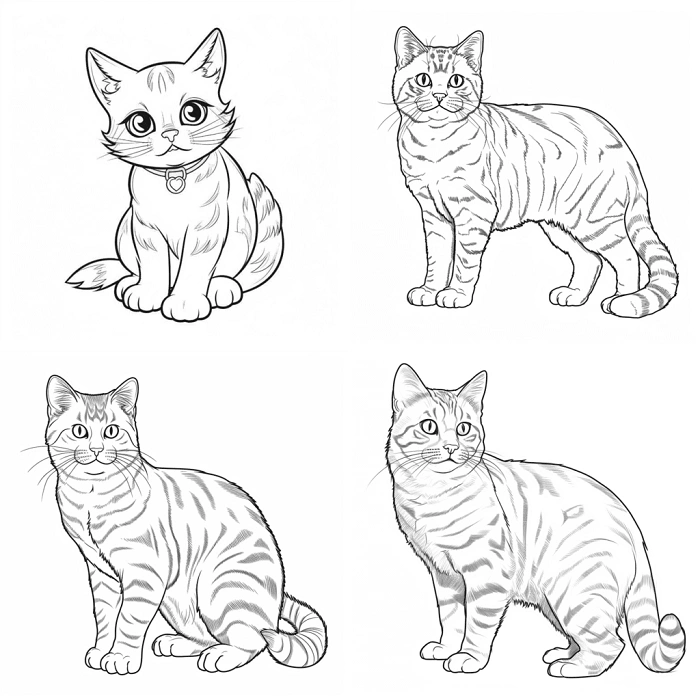
There are numerous styles and approaches to drawing cats. Depending on your preferences and level of skill, you might want to experiment with different types of drawings.
Realistic Cat Drawings
Realistic cat drawings focus on accuracy and detail, capturing the true look of the feline. To create a realistic cat drawing, you’ll need to pay close attention to the cat’s anatomy, fur texture, and subtle expressions. This style requires patience and precision, but the results can be stunning.
Cartoon Cat Drawings
If you’re looking for something more whimsical or lighthearted, cartoon-style cats might be the way to go. These drawings are often simplified, exaggerating certain features like big eyes, fluffy tails, and expressive faces. They can be fun and playful, offering plenty of room for creativity.
Abstract Cat Art
For those who want to experiment with non-traditional approaches, abstract cat art is a great option. This style allows you to focus on shapes, patterns, and colors rather than trying to replicate a real cat. You can combine elements of realism with abstract design to create something entirely unique.
Cat Drawing Tips for Beginners
Start with Simple Sketches
When you’re new to drawing, start with simple sketches. Practice basic cat shapes and features before attempting a fully detailed piece. Focus on getting the proportions and poses correct before adding intricate details like fur texture.
Use References
It’s always helpful to have references when drawing cats. You can use photos or real-life cats as a guide to understand their anatomy and behavior. Observing a cat in motion can help you capture its grace and fluidity.
Practice Different Poses
Cats can move in various ways, and capturing different poses can improve your skills. Practice drawing cats in action, such as stretching, jumping, or playing. This will help you understand their body language and improve your ability to represent their movement.
FAQs About Cat Drawings
What are the basic steps for drawing a cat?
Start with basic shapes like circles and ovals to map out the cat’s body, then outline the features such as the face, ears, and tail. Add texture and shading, finishing with final details.
Can I draw a cat if I’m a beginner?
Yes, beginners can start with simple sketches and work their way up to more complex drawings as their skills improve. Focus on getting proportions and shapes right first.
How do I make my cat drawings more realistic?
Pay close attention to details like the fur texture, the shape of the cat’s body, and its expressions. Use shading to create depth and dimension, and observe real cats for reference.
What tools do I need to draw cats?
Basic tools include pencils, erasers, quality drawing paper, and blending tools. For colored cat drawings, you can use colored pencils or markers.
How can I add character to my cat drawing?
Focus on expressive elements like the eyes, ears, and posture. Exaggerate certain features to capture the personality of the cat, whether it’s playful, serious, or relaxed.
Drawing cats is a satisfying and fun activity that offers many opportunities for artistic expression. By practicing different techniques and experimenting with various styles, you can create stunning cat illustrations that reflect the unique charm and beauty of these beloved animals. Remember to start with simple shapes, focus on details, and use references to improve your skills. Whether you’re aiming for realism or a more whimsical representation, drawing cats will help you develop your art and have fun at the same time.