

Reptiles have gained popularity as pets due to their unusual appearance, intriguing behaviors, and relative ease of care compared to more conventional pets, such as dogs or cats. Many find the variety of reptiles—from colorful geckos to grand snakes—attractive. What enthusiasts of reptiles seem to enjoy the most is the rewarding experience of replicating their special habitats and observing them flourish.
Advantages of Reptile Pets
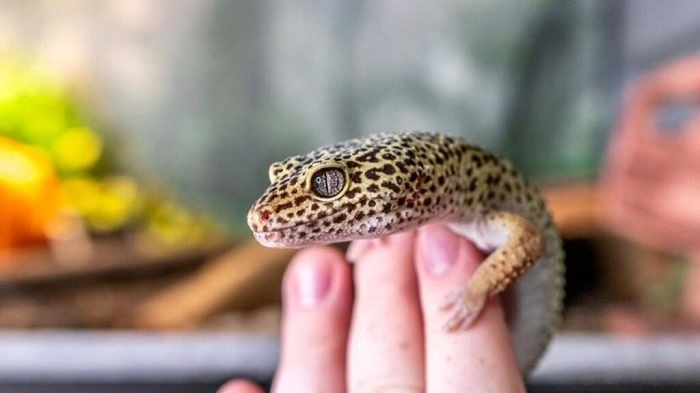
There are several advantages of reptiles as pets:
- Hypoallergenic Companions: Besides furry pets, reptiles will be ideal for people who suffer from allergies.
- Quiet and Non-Destructive: Reptiles don’t bark, chew furniture, or require constant attention.
- Long Life: Many reptiles live for decades and can provide years of companionship.
These traits predispose reptiles to the preference of many people seeking unique and low-maintenance pets.
Choosing the Right Reptile Pet
Your choice of reptile as a pet depends on your personal preferences, level of experience, and ability to care for its needs. Some popular choices include:
Geckos
Geckos, such as leopard geckos and crested geckos, are perfect for beginners. They are small, hardy, and require simple enclosures. Their vibrant colors and docile nature make them a favorite.
Snakes
Snakes, such as corn snakes and ball pythons, are great for those who can devote a bit more time and energy. They do require larger habitats but generally are pretty docile and easy to handle.
Turtles and Tortoises
These are long-lived and quite fascinating reptiles. Turtles require aquatic habitats, while tortoises do better in dry, terrestrial environments.
Lizards
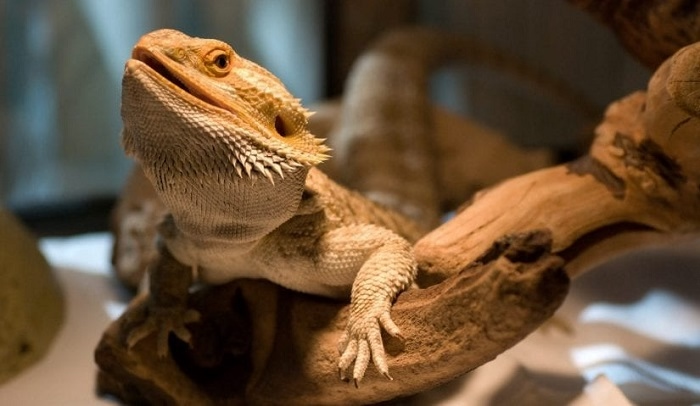
Bearded dragons, chameleons, and iguanas are quite visually appealing but may fall into the advanced-care category, including UVB lighting and dietary requirements.
Things to Consider Before Buying a Reptile
Before buying a reptile, here are some things to consider:
- Housing Needs: Find out what space, temperature, and lighting requirements exist.
- Dietary Needs: Many reptiles require live food—insects or small rodents.
- Time and Commitment: Reptiles require regular care to remain healthy.
- Budget: Think about the cost of enclosures, equipment, and veterinary care.
Setting Up a Reptile Habitat
Creating an appropriate habitat is crucial for your reptile’s success. The key elements are:
Enclosure
Choose an appropriate-sized enclosure such as a glass terrarium or wooden vivarium, with tight-fitting lids to prevent escape.
Heating and Lighting
Reptiles are ectotherms; they need environmental heat sources to warm their body temperature. Heat sources can be heat lamps, ceramic heaters, or under-tank heating pads. UVB lighting is always required for those reptiles with a calcium metabolism.
Substrate
Select a substrate that is non-toxic and safe for the reptile species to live among.
Hides and Decorations
Add appropriate hideaways, items to climb, and enrichment opportunities to mimic your pet’s natural setting.
Temperature and Humidity
Create the proper temperature gradient along with adequate humidity according to your pet’s specific needs. Investment in thermometers and hygrometers is absolutely vital.
Nutrition and Feeding of Reptile Pets
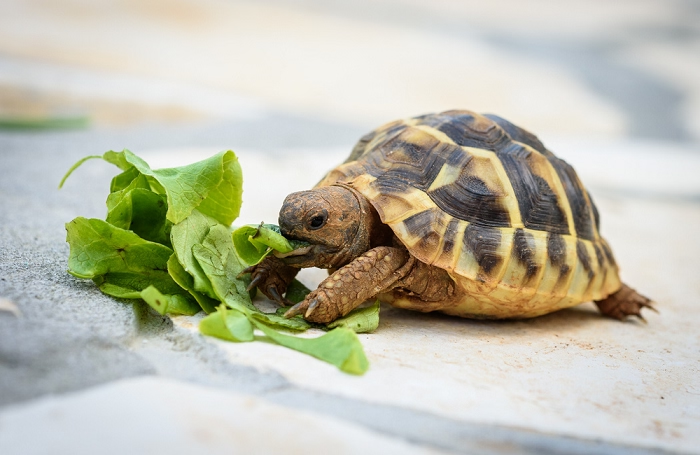
A proper diet is the key to keeping your reptile healthy. Here are some general dietary guidelines:
Insectivores
Geckos and chameleons do great on a diet of crickets, mealworms, and dubia roaches. Dust the insects with calcium and vitamin supplements.
Herbivores
Tortoises and iguanas eat leafy greens, vegetables, and occasional fruits. Avoid high-oxalate vegetables like spinach.
Carnivores
Snakes require pre-killed or frozen-thawed rodents, while some monitor lizards eat whole prey items.
Omnivores
Bearded dragons require a combination of insects, vegetables, and fruits. In their diet, balance is paramount.
Health and Veterinary Care for Reptile Pets
Reptiles may develop some health problems if not treated appropriately. Their regular observation and taking immediate action against them may prevent complications:
- Shedding Problems: Proper humidity may be provided to enable them to shed properly.
- Metabolic Bone Disease (MBD): Proper UVB and calcium are available.
- Parasites: Internal or external parasites may be avoided by maintaining cleanliness of the enclosure.
- Respiratory Infections: Keep proper temperatures to avoid infections.
Schedule regular check-ups with an exotic veterinarian who has experience with reptiles.
Ethical Considerations in Owning Reptiles
Ethical ownership of reptiles means obtaining your pet responsibly and taking care of their well-being. Never buy reptiles from illegal or unethical sources. Go for reputable breeders or adoption centers that take care of the health and conservation of the animals.
Reptile Pets Direct: Your One-Stop Shop for Reptile Lovers
Reptile Pets Direct is a trusted platform offering everything you need for reptile ownership, including:
- A wide range of reptile species: Choose from a variety of reptiles that are suitable for both beginners and experts.
- Habitat supplies: Find high-quality enclosures, heating equipment, and decor items.
- Food and supplements: Access a wide range of nutritious food options and essential supplements.
- Expert advice: Benefit from guidance and tips on reptile care from experienced professionals.
Tips for First-Time Reptile Owners
Starting your journey with reptiles can be quite exciting. Keep these tips in mind:
- Research extensively about the species you want.
- Start with beginner-friendly reptiles like geckos or corn snakes.
- Invest in high-quality equipment to ensure your pet’s well-being.
- Monitor your pet’s behavior for signs of stress or illness.
Common Myths About Reptile Pets
Reptiles are often misunderstood due to myths and misconceptions. Let’s debunk some:
- Reptiles Are Dangerous: Most pet reptiles are not venomous and are not dangerous as long as they are handled properly.
- Reptiles Don’t Bond with Owners: While they do not cuddle like mammals, many reptiles can recognize owners and appear to enjoy being handled.
- Reptiles Are Low Maintenance: While they are often easier than some pets to care for, reptiles do need appropriate care and commitment.
Reptiles and Kids: Is It a Good Idea?
Reptiles can make great pets for families with children, as long as it is a means of teaching responsibility and respect for animals. However, parental supervision is important in terms of safety and proper handling.
Conservation and Reptile Keeping
Responsible reptile keeping can raise awareness about conservation. Many reptile enthusiasts participate in breeding programs and habitat preservation projects that help ensure the survival of endangered species.
Reptile Communities and Support
Joining a reptile community can enhance your pet ownership experience. Forums, social media groups, and local clubs provide a great avenue to connect with fellow enthusiasts, share tips, and seek advice.
Reptile Pets Direct will help with everything from selecting the right pet to equipping their home. From a novice keeper to an experienced enthusiast, this service can make all the difference for a rewarding reptile-keeping experience.