
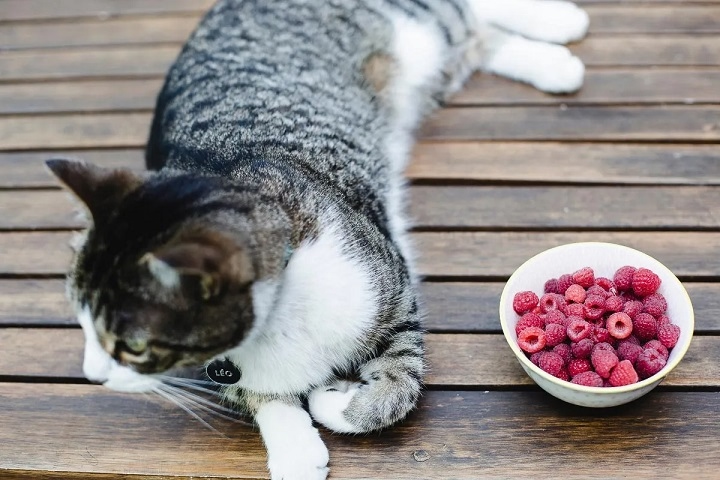
Cats are natural explorers and naturally curious creatures that tend to go around and investigate everything in their surroundings and also anything their owners are eating. If you’ve ever asked yourself, “Can cats eat raspberries?” this article will provide you with all the information you might need about feeding your feline friend pure raspberries.
Are Raspberries Toxic to Cats?
Yes, raspberries are non-toxic for cats and can be given in small amounts. These berries contain several beneficial nutrients for them, such as vitamins C and K, fiber, and antioxidants. However, one must remember that even the best things in life are bad in excess. Cats are obligate carnivores; this means their diet consists of meat mainly. Where raspberries can be a fun occasional treat, they can never replace the routine food of a cat.
Nutritional Value of Raspberries in Cat Diet
Rich in Antioxidants
Raspberries have antioxidants that could help reduce inflammation and fight free radicals in the body. This will support the overall health and longevity of the cat.
High in Dietary Fiber
The fiber in raspberries can help regulate bowel movements, especially for those cats inclined to have constipation. However, too much fiber may cause gastrointestinal upset; therefore, portions should not be large.
Vitamins and Minerals
Raspberries contain vitamins C and K, promoting immune function and bone health. Cats naturally can synthesize vitamin C and do not require additional vitamin C supplementation; giving a kitty the occasional raspberry is not harmful, though.
How Many Raspberries Can Cats Eat?
Allow them only a few at a time when giving raspberries to cats—typically, give one or two berries to your cat. Feed in excess; it may likely lead to several digestive disorders characterized by diarrhea and vomiting. Take ample interest in the after-effects of having a new dietary component.
Potential Risks Associated With Feeding Raspberries to Cats
Sugar Content
Raspberries incidentally contain natural sugars, and actually, a more significant ingestion creates a problem if ingested because cats lack some system by which they would be metabolizing more sugar content ingested through diets, with risk of obesity, diabetes, and several more disorders related.
Gastrointestinal Upset
The gastrointestinal of a few cats can get irritated when eating raspberries and result in a slight case of upset stomach, gas, or diarrhea. Thus, stop feeding if they seem to react uncomfortably.
Choking Hazard
Although rare, fresh raspberries are dangerous for cats because their shape can cause choking, especially if the cat is small. Cut the raspberries into smaller sizes before offering them to minimize this risk.
How to Feed Your Cat Raspberries Safely
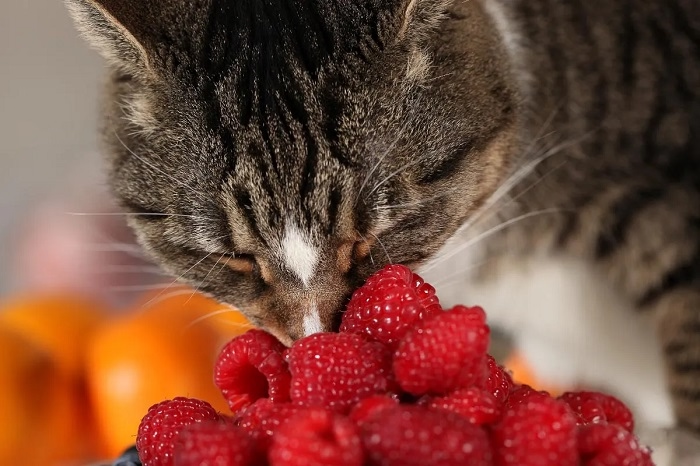
Wash Berries Thoroughly
Raspberries should always be washed for removal of pesticide residues or contaminants. Organic raspberries are a safer choice, as they have fewer chances of containing harmful chemicals.
Serve in Small Portions
Cut the raspberries into smaller, more manageable parts for your cat’s consumption. For starters, put a very little amount in there and observe whether your cat consumes it or simply ignores it and walks away from it.
Offer Occasionally
Raspberries should be a treat and not a regular feature in your cat’s diet. Treats, including raspberries, should not exceed 10% of the daily calorie intake of your cat.
Signs That Your Cat Might Be Allergic to Raspberries
Though this is rare, there may be the case that some cats just might develop a raspberry allergy. Watch out for these:
- Vomiting
- Diarrhea
- Scratching or itching
- Swelling around the face or paws
If your cat shows any of these symptoms within hours after consuming raspberries, seek a veterinarian.
Alternatives to Raspberries for Cats
If your cat does not like raspberries or you want to know other safe fruits that you can feed your cat, consider the following:
- Blueberries: Packed with antioxidants and low in sugar.
- Watermelon: A refreshing treat that cats often enjoy, but remove the seeds.
- Apples: Fiber and vitamins; always remove seeds and core.
All fruits must be given in moderation and cut into small, manageable pieces.
When to Abstain From Feeding Raspberries to the Cat
There are conditions under which raspberries should not be given to your cat, some of those including:
- Existing medical conditions: The cats diabetic or sensitive to the gastrointestinal may not handle raspberries.
- Young kittens: Kittens under one year of age have sensitive gastrointestinal systems and should be fed on a special diet.
- Adding additives and processed fruits and veggies: Avoid feeding your cat raspberry-tasting food, jam, or anything containing added sugars and artificial sweeteners such as xylitol, which is toxic to cats.
Frequently Asked Questions
Can Cats Eat Dried Raspberries?
Raspberries are not a great choice for cats since they dry out and concentrate sugar and preservatives that can be harmful to the cats.
Are Raspberry Leaves Safe for Cats?
No, raspberry leaves are not very easily digestible to cats and cause stomach upsets. Once more, use the fruit alone.
Can Cats Have Raspberry Yogurt?
Raspberry yogurt is often quite high in added sugar, which is bad for cats, and often contains artificial additions to yogurt to make them taste sweeter. Most cats are lactose intolerant and having yogurt would cause digestive distress.
Feeding your cat raspberry as a snack is safe and healthy if offered in moderation. Raspberries are sweet-tart berries and therefore are full of various nutrients but are not in the diet needs for your pet feline friend. Always check with your veterinarian, if you still want to add the berry into your feline friend’s diet if it shows a bad reaction when consumed. Feed portions small, occasional, so your curious kitty will be happy having an extra little raspberry in between.