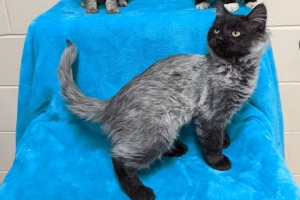

There is nothing uncommon in a multiple-feline or outdoor-based environment where catfighting ensues. Fighting is a typical condition that could sometimes be common for cats in small, big, or backyard houses, but prolonged fighting usually hints at more deep-seated causes. This article examines why cats fight, how it could be remedied, and how it can be prevented.
Why Cats Fight?

Cats fight for various reasons, including territorial disputes and fear responses. Understanding the underlying causes of their aggression is key to resolving conflicts.
Territorial Instincts
Cats are territorial animals by nature. They might fight to protect their perceived “home turf” from intruders. In multi-cat households, one cat might dominate a specific area, leading to clashes when another tries to encroach.
Social Hierarchies
Cats have pecking orders, especially in multi-cat households. Battles can serve as a way to establish or maintain ranks. This behavior is observed more in unneutered male cats or when new cats are introduced into the household.
Poor Socialization
Irresponsibly socialized cats may exhibit problems dealing with others peacefully. Sometimes, a kitten that has had no exposure to other cats will view others as foes.
Redirected Aggression
An outside stimulus, like a cat outside the window, may make a cat flare up and vent aggression toward another household pet.
Mating Behavior
Unneutered males are also known to fight each other due to potential mates. The hormonal imbalances can turn this into loud, vicious fights and more.
How to Identify What Kind of Fighting
Differentiate between play-fighting and actual aggression. Body language and actions are good indicators of the nature of the fight.
Play-Fighting
- Characteristics: Light swats, rolling on the ground, and occasional breaks.
- Noise: Mostly silent or accompanied by low chirping.
- Action: Generally innocuous unless one cat appears to be stressed or distressed.
Aggressive Fighting
- Characteristics: Erect fur, hissing, arched backs, and bared claws.
- Noise: Loud growling, yowling, or shrieking.
- Action: Immediate intervention is necessary to prevent harm.
How to Break Up a Cat Fight
It is important to break up a cat fight both safely and effectively to avoid injuring yourself or your pets.
Avoid Physical Interference
Do not try to separate fighting cats with your hands because you may be scratched or bitten. Instead:
- Use a blanket or large towel to safely separate them.
- Make a loud clapping noise or use a noise-making device to distract them.
Calm the Environment
- Dim the lights to reduce stimulation.
- Provide each cat with a safe, private space to retreat to following a fight.
Address Underlying Issues
If cats are fighting repeatedly, seek underlying issues:
- Ensure there are sufficient resources for all cats, such as food bowls, litter boxes, and sleeping areas.
- Inspect for external stressors, such as other animals or environmental changes.
Preventing Cats from Fighting

Prevention is the best way to avoid future fights.
Gradual Introduction
When bringing a new cat into the home, introduce the cat gradually:
- First, separate the new cat in a different room.
- Swap scents by bedding and toys.
- Allow limited, closely monitored contact.
Spay or Neuter Your Cats
Spaying or neutering is proven to reduce aggression from hormonal changes, especially in male cats.
Environmental Enrichment
Provide sufficient stimulation to keep your cat engaged:
- Create vertical spaces by adding climbing trees and perches.
- Rotate interactive toys to keep playtime exciting.
- Use scratching posts to channel energy and relieve stress.
Equitable Access to Resources
Cats are likely to fight for access to resources. To minimize competition:
- Offer several feeding stations and water bowls.
- Provide additional litter boxes, with at least one per cat plus one more.
- Ensure every cat has a private sleeping area.
Training Behaviors
Positive reinforcement can help reduce aggression:
- Reward calm behavior with treats or affection.
- Redirect undesired behaviors instead of punishing them.
When to Consult a Veterinarian
If your cats’ fighting persists despite your efforts, consulting a professional can help uncover deeper issues.
Medical Problems
Sudden aggression may indicate pain or illness. A thorough veterinary check-up can rule out health concerns.
Behavioral Issues
For persistent fighting, consider consulting a feline behaviorist. They can assess the dynamics between your cats and suggest tailored solutions.
The Long-Term Effects of Unchecked Fighting

Chronic fighting is not only stressful for your cats, but it can also affect your household dynamics.
Physical Injuries
Bites and scratches from fights can lead to abscesses or infections if not treated promptly.
Psychological Stress
Continuous tension between cats can lead to anxiety, loss of appetite, and behavioral problems, such as inappropriate elimination.
Impact on Owners
Witnessing or hearing cats fight can be distressing for owners. It may also create an imbalance in household harmony.
Outdoor Cats Fighting
Outdoor cats often meet other cats, leading to fights. These fights can be more intense because no one intervenes to stop them.
Protect Your Cat
To reduce the possibility of outdoor fights:
- Keep your cat indoors at night.
- Let your cat exercise outdoors under supervision or in a covered catio.
Treat Wounds Immediately
If your cat comes home with wounds:
- Clean minor scratches with an antiseptic.
- Take the cat to the vet for serious wounds or signs of lethargy.
Dissuade Stray Cats
To avoid territorial fights near your residence:
- Use motion-sensitive sprinklers or other cat repellents around your property.
- Neuter/spay stray cats if possible with the assistance of local shelters.
Understanding why cats fight and using effective management techniques can create a more peaceful environment for both your pets and your household. By addressing the root causes, introducing your pets properly, and providing each with enough resources, you’ll likely be able to avoid much conflict among your feline companions.