
Cats are often celebrated for their ability to navigate and hunt in the dark, earning them a reputation as nocturnal creatures with extraordinary vision. But how accurate is this claim? While cats cannot see in complete darkness, their eyes are uniquely adapted to function exceptionally well in low-light conditions. This article explores the science behind feline night vision, how it compares to human eyesight, and the evolutionary advantages it provides.
The Structure of a Cat’s Eye
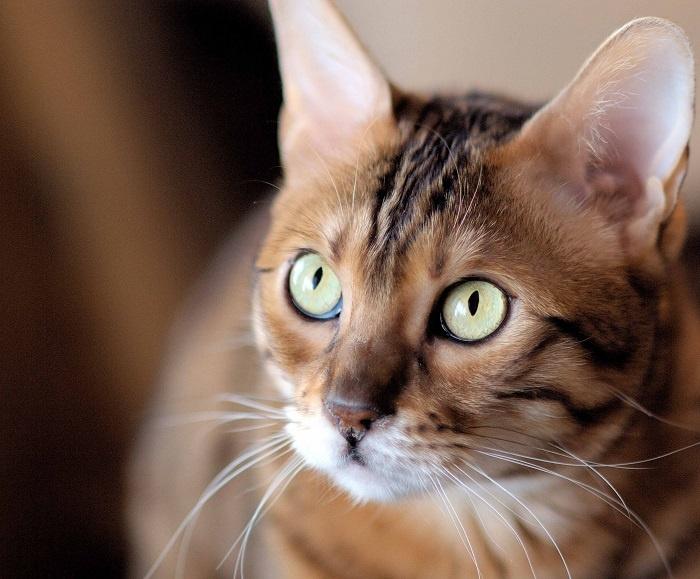
A cat’s eye is designed to maximize light intake, which is essential for seeing in dim environments. Several anatomical features contribute to this:
- Large Cornea and Pupil: Cats have a larger cornea and pupils that dilate significantly, allowing more light to enter the eye.
- Tapetum Lucidum: This reflective layer behind the retina acts as a mirror, bouncing light back through the retina and enhancing vision in low light. It’s also the reason cats’ eyes appear to glow in the dark.
- Rod-Dominant Retina: Cats have a higher number of rod cells in their retina compared to humans. Rod cells are responsible for detecting light and motion, making them ideal for night vision.
Can Cats See in Complete Darkness?
Contrary to popular belief, cats cannot see in total darkness. Like all animals, they require some level of ambient light to see. However, their eyes are so sensitive that they can function effectively with just one-sixth the light required by human eyes.
How Well Can Cats See at Night?
Cats are crepuscular animals, meaning they are most active during dawn and dusk. Their exceptional night vision allows them to:
- Spot Prey: In dimly lit environments, cats can detect small movements and shapes, making them effective hunters.
- Navigate Obstacles: Their ability to perceive their surroundings in low light helps them move gracefully, even in cluttered spaces.
Comparing Cat Vision to Human Vision
Feline vision differs from human vision in several key ways:
- Light Sensitivity: Cats can see in light levels six times lower than what humans need to see.
- Color Perception: Humans have more cone cells, which detect color, allowing us to see a wider range of hues. Cats see fewer colors, primarily shades of blue and green.
- Field of Vision: Cats have a wider peripheral vision (200 degrees) compared to humans (180 degrees), which helps them spot movement from the sides.
- Focus and Clarity: While cats excel in low light, their vision is less sharp than humans in bright conditions. Objects may appear slightly blurred to them.
Evolutionary Advantages of Night Vision
The development of superior night vision is a result of cats’ evolutionary history as hunters. Their ancestors were solitary hunters that relied on stealth and agility to catch prey during twilight hours. Night vision provided:
- Stealth Advantage: Hunting in low light reduced competition and increased their success rate.
- Predator Awareness: Enhanced vision helped them detect predators and avoid threats.
The Role of Whiskers in Navigation
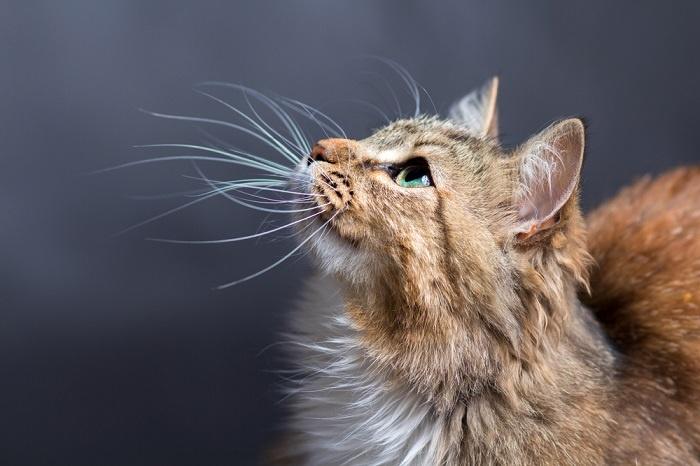
In near-total darkness, cats rely on more than just their vision. Their whiskers, or vibrissae, are highly sensitive tactile organs that detect changes in air currents and nearby objects. This allows them to navigate and hunt effectively even when visibility is minimal.
Myths About Cat Vision
There are many misconceptions about a cat’s ability to see in the dark. Here are some clarified facts:
- Myth: Cats can see in complete darkness.
- Fact: They need some ambient light to see, but their eyes amplify available light.
- Myth: Cats have X-ray vision.
- Fact: Cats’ vision is adapted for low light, not for seeing through objects.
How to Support Your Cat’s Vision
Maintaining your cat’s eye health is crucial for preserving their exceptional vision:
- Provide a Balanced Diet: Nutrients like taurine, vitamin A, and omega-3 fatty acids are essential for eye health.
- Regular Vet Check-Ups: Routine examinations can detect and treat eye conditions early.
- Avoid Bright Lights: Cats’ eyes are sensitive to bright and sudden light, which can cause discomfort.
- Environmental Enrichment: Provide toys and activities that engage their hunting instincts and keep their vision sharp.
Common Vision Problems in Cats
Despite their remarkable vision, cats can experience eye issues. Some common conditions include:
- Cataracts: Clouding of the lens, leading to vision impairment.
- Glaucoma: Increased pressure in the eye, which can cause pain and blindness if untreated.
- Retinal Degeneration: A progressive condition that affects light sensitivity.
- Conjunctivitis: Inflammation of the eye lining, often caused by infections or allergies.
Do Cats See Ghosts?
A popular question among cat owners is whether cats can see supernatural entities. While there’s no scientific evidence to support this, cats’ heightened senses may cause them to react to subtle movements, shadows, or sounds that humans might miss, leading to the perception that they “see” things we cannot.
Enhancing Your Cat’s Nighttime Comfort
If your cat is active at night, consider these tips to ensure their safety and comfort:
- Nightlights: Adding a soft light in key areas can help your cat navigate without bumping into obstacles.
- Secure Outdoor Access: If your cat roams outside, ensure the area is safe and well-lit.
- Interactive Play: Engaging your cat with toys during the day can reduce nighttime activity and help them rest.
Fascination with Cats’ Glowing Eyes
One of the most captivating aspects of feline night vision is their glowing eyes. This phenomenon is due to the tapetum lucidum, which reflects light back through the retina. While it enhances their vision, it also creates the eerie glow that adds to cats’ mysterious allure.
Cats’ ability to see in the dark is a marvel of nature, rooted in their evolutionary need to hunt and survive in low-light conditions. While they can’t see in complete darkness, their extraordinary night vision far surpasses that of humans, allowing them to thrive during dawn and dusk. Understanding the science behind their vision helps us appreciate their unique abilities and ensures we provide the best care for our feline companions.